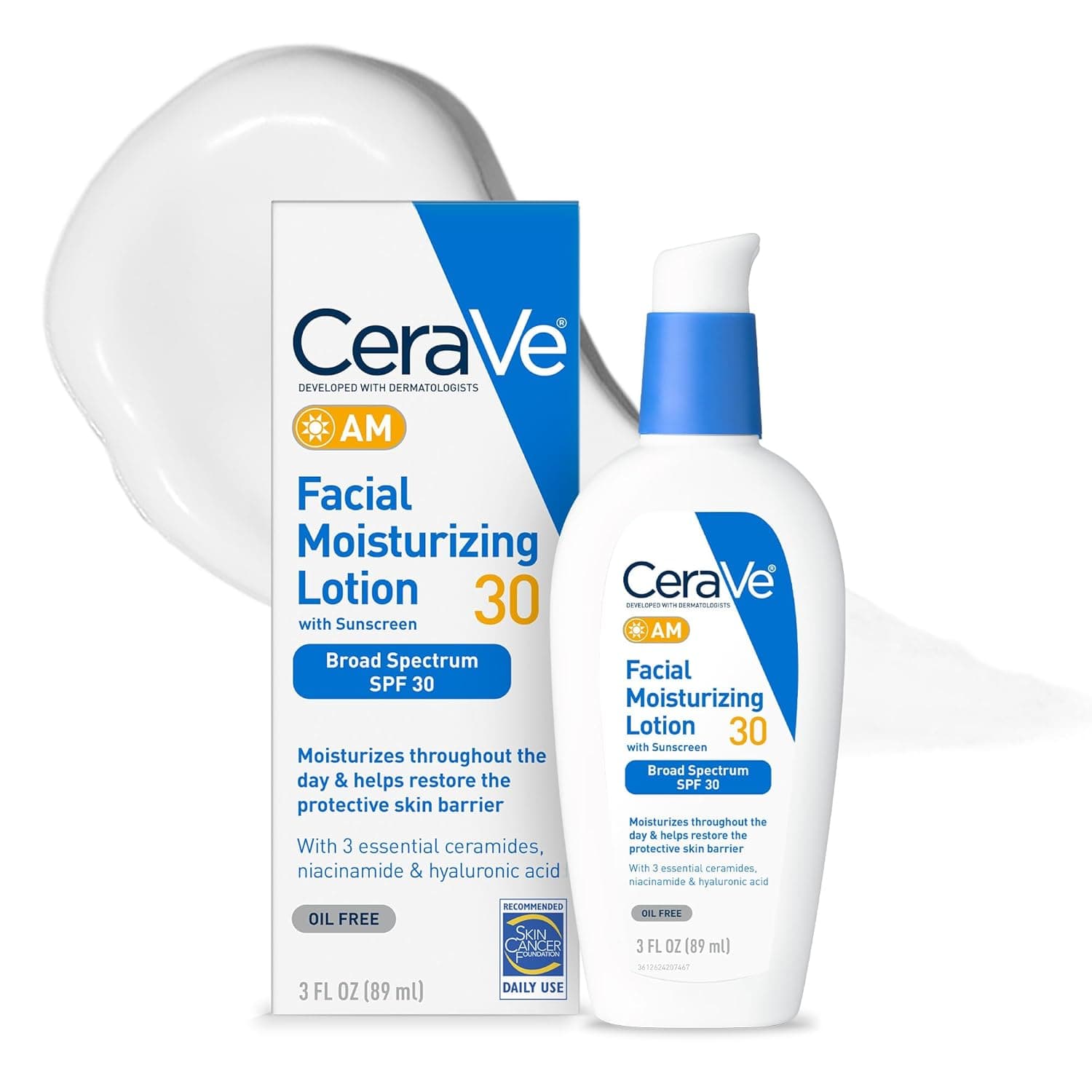
SPF 30
Malassezia: Medium RiskFragrance FreeAlcohol FreeContains OctinoxateEndocrine DisruptorsOwnership: Public Parent
$19.99Buy
4.5 ★ · 97.1k reviews
Updated
Private equity has been buying up skincare brands at a steady clip for over a decade. The pattern is consistent enough to be predictable: a firm acquires an established brand, spends three to seven years working its margins upward, then sells. The brand name and packaging stay the same; the formula underneath often doesn't. For shoppers who picked a sunscreen because of how it was made, founder-owned brands tend to be the safer bet for that staying true.
The levers a private-equity owner reaches for are well-worn: switch to cheaper ingredient suppliers, move manufacturing offshore, trim the product range, and cut research spending. A formula that built the brand's reputation gets quietly reworked to cost less to produce. The marketing keeps describing the original product. Longtime customers are often the first to notice — a change in texture, a drop in how well it performs, packaging that feels cheaper than it used to.
Big beauty conglomerates — L'Oréal, Estée Lauder, Unilever, Shiseido — own dozens of brands each, but their model isn't the same as private equity's. They tend to hold brands for the long term and bring real research infrastructure that small independents can't match. Whether you want to avoid conglomerate ownership is a personal call. This filter focuses specifically on private-equity ownership, where the short hold period creates the strongest pressure to compromise a formula.
A founder still running their brand is usually working on a longer horizon than a fund with an exit date. They tend to care about the formula's reputation because it's tied to their own, keep direct relationships with the chemists who made it, and aren't optimising every decision toward a sale valuation. Smaller brands are also generally quicker to respond to customer feedback and more willing to absorb the cost of a better ingredient. To line this up with other values, combine it with the cruelty-free and vegan filters.
Brand ownership data is researched by hand from public sources, brand disclosures, and investment databases. It's the hardest data on the site to keep current — acquisitions often happen with no announcement, and a brand can change hands more than once in a few years. We update it as we learn of changes, and if you spot a brand that looks misclassified, telling us genuinely helps.
An independent (founder-owned) brand is run by its founders without outside capital pressure. A PE-owned brand is held by a private-equity firm working toward a sale in roughly three to seven years — which usually means cost-cutting in formulas and supply chains during that window.
A private-equity owner needs to grow profit margins to earn a return. The quickest levers are cheaper ingredients, offshore manufacturing, less research spending, and a trimmed product range. Loyal customers often notice the resulting formula changes within a year or two.
Use this filter — we track ownership and update it as acquisitions happen. A brand's own "About" page is another tell: founder-owned brands usually name their founder and tend to have a more personal origin story than a portfolio brand does.
Not necessarily. Large conglomerates often have excellent research teams and produce genuinely good formulas. The specific concern this filter addresses is private-equity ownership during the hold period, where short-term margin pressure creates the strongest incentive to compromise.
123 sunscreens pass this filter
Combine with other filters on the full browse page.
4.5 ★ · 97.1k reviews
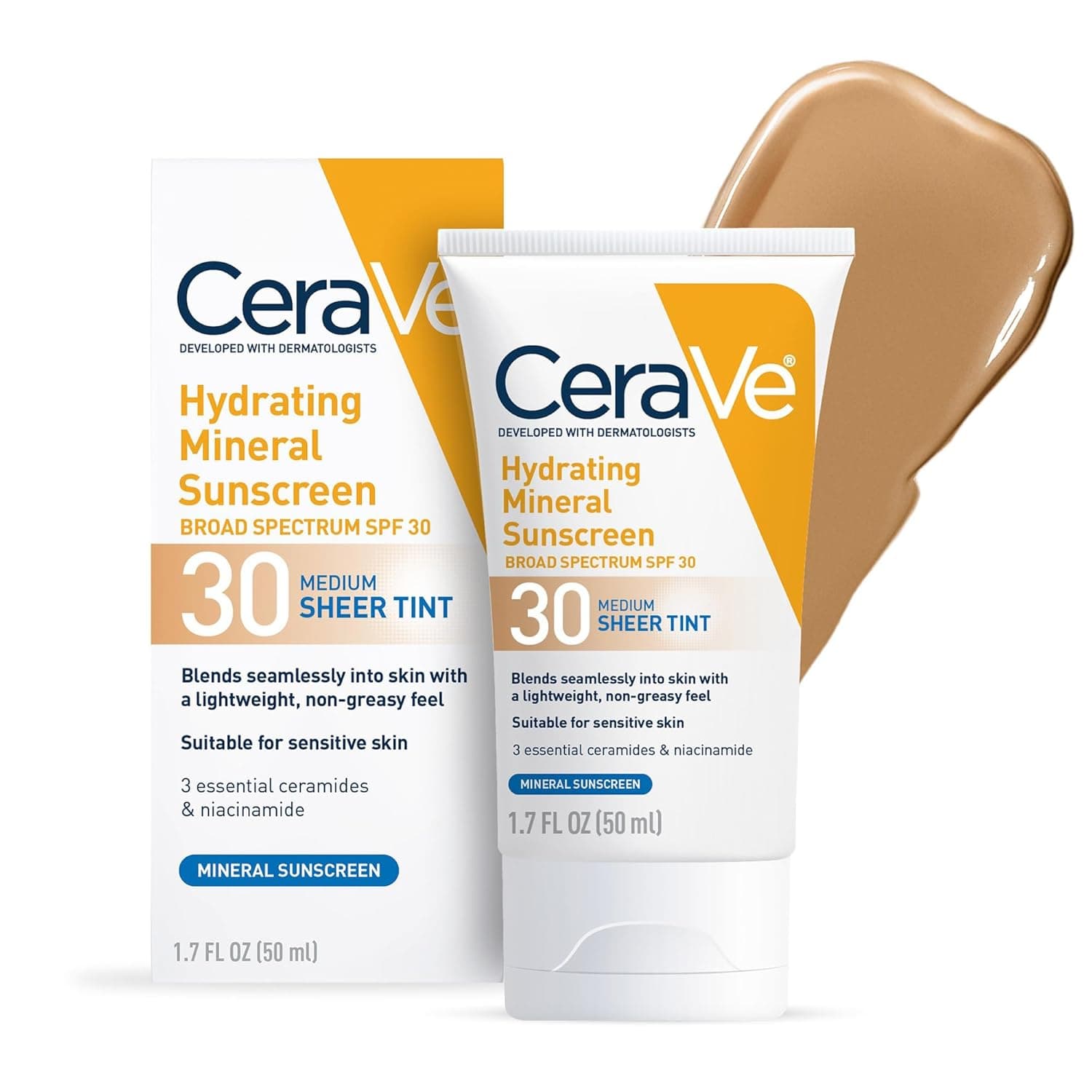
4.4 ★ · 70.8k reviews
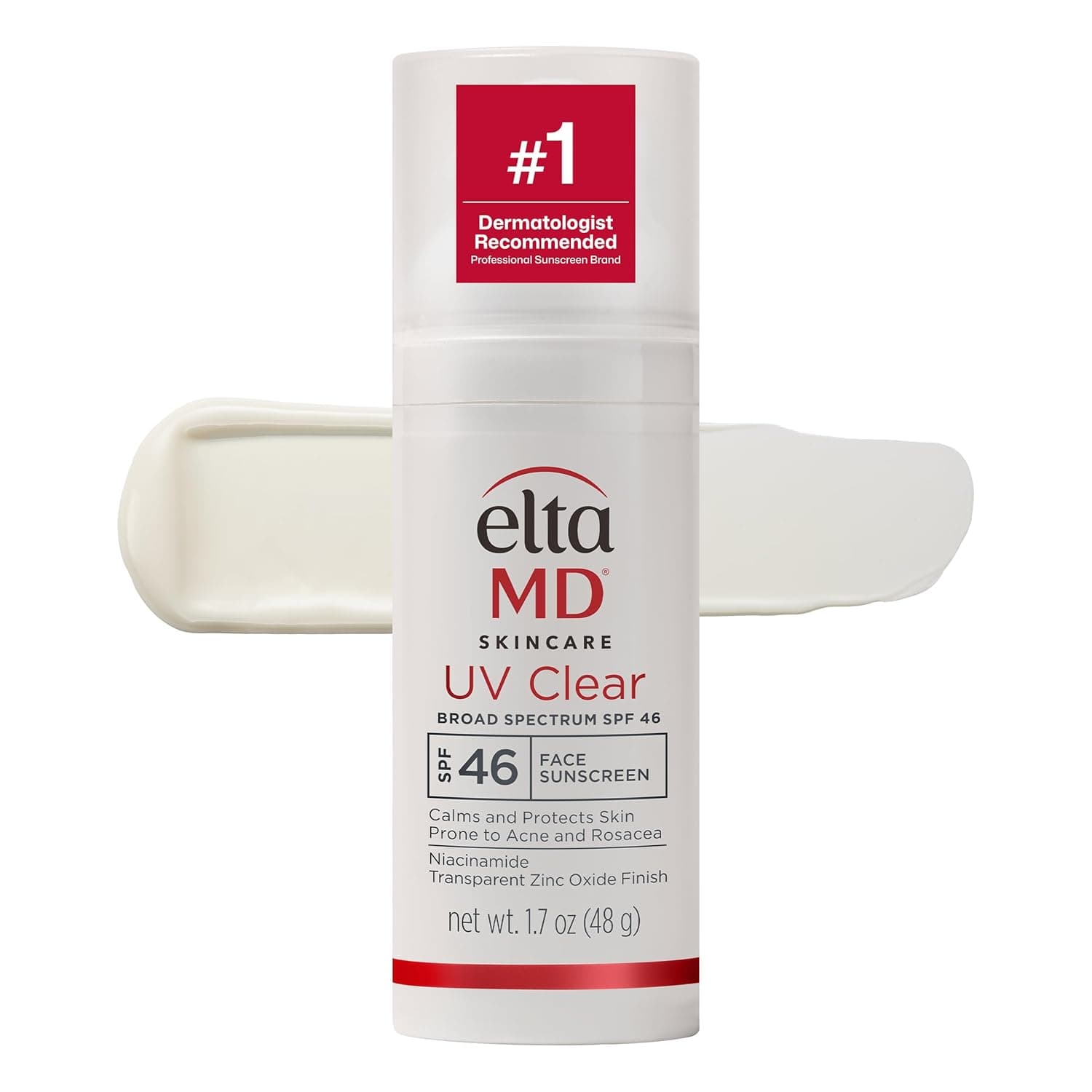
4.6 ★ · 47.5k reviews
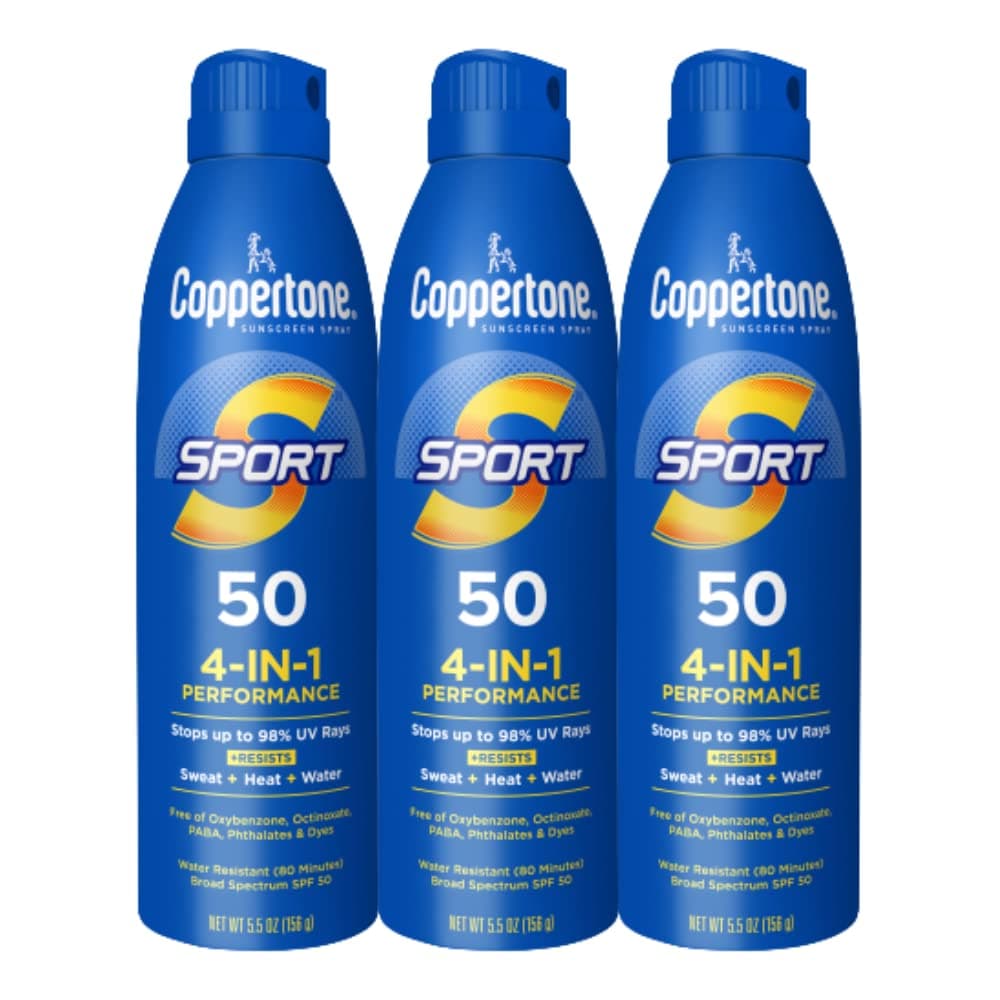
Coppertone
4.7 ★ · 38.7k reviews
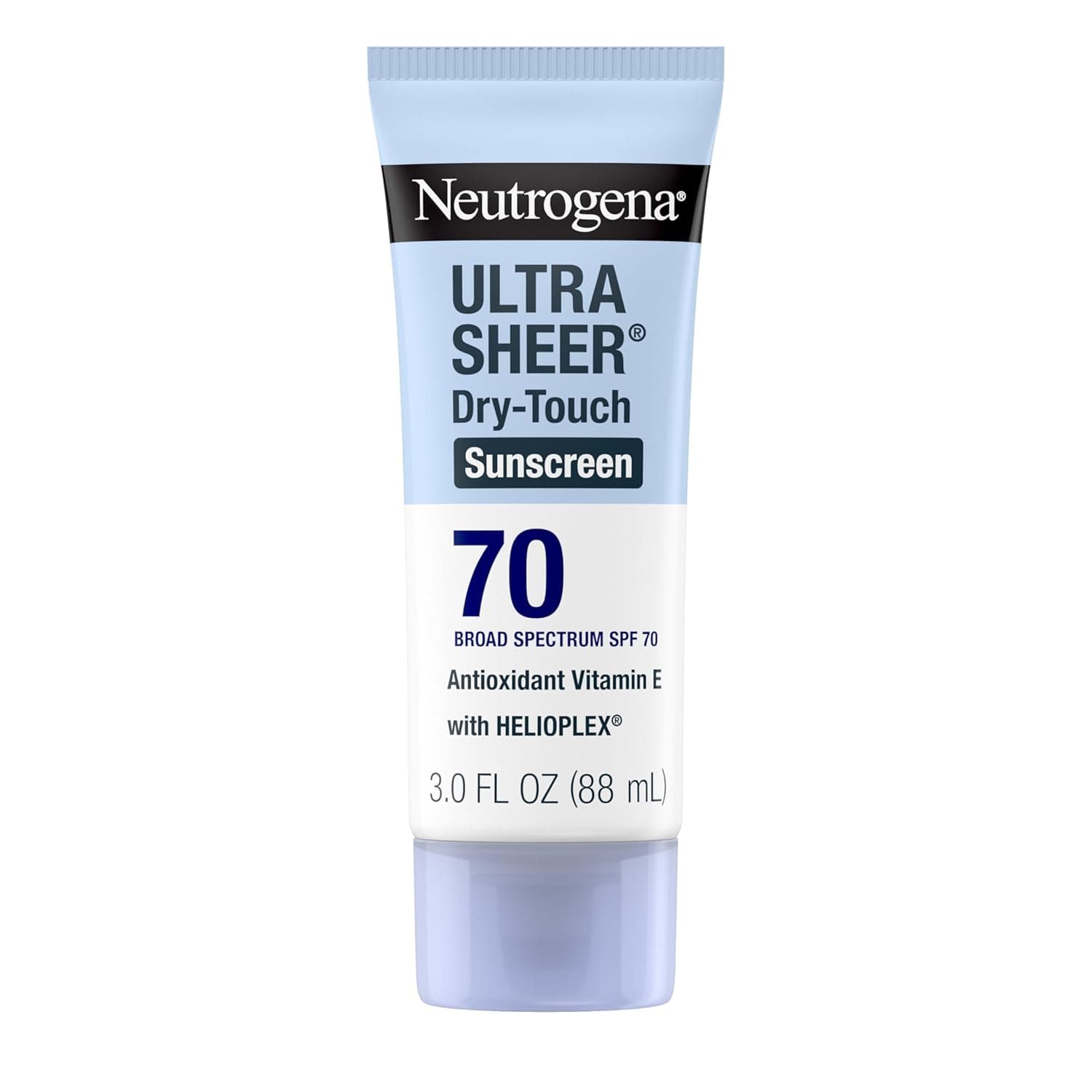
4.6 ★ · 37.4k reviews
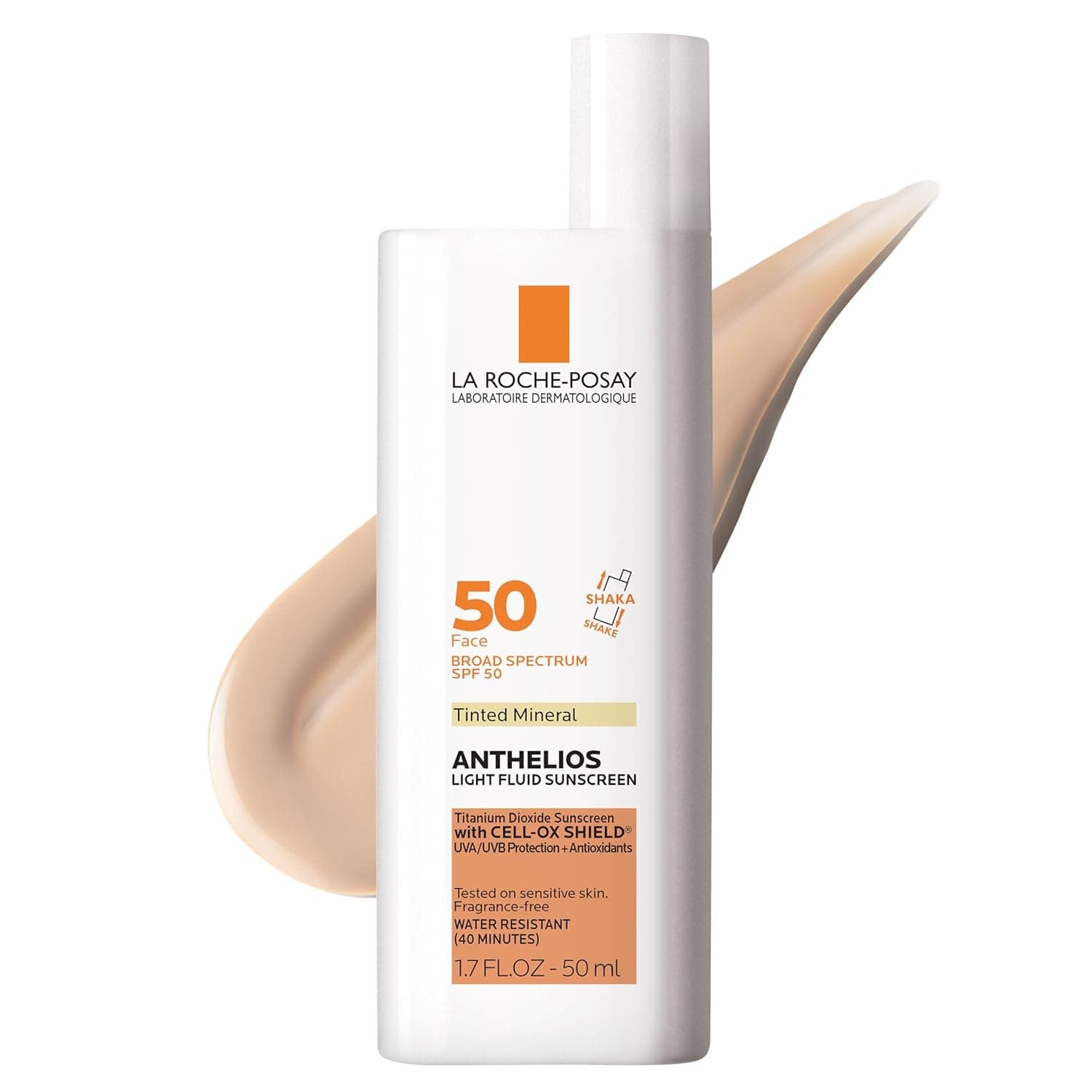
La Roche-Posay
4.5 ★ · 31k reviews
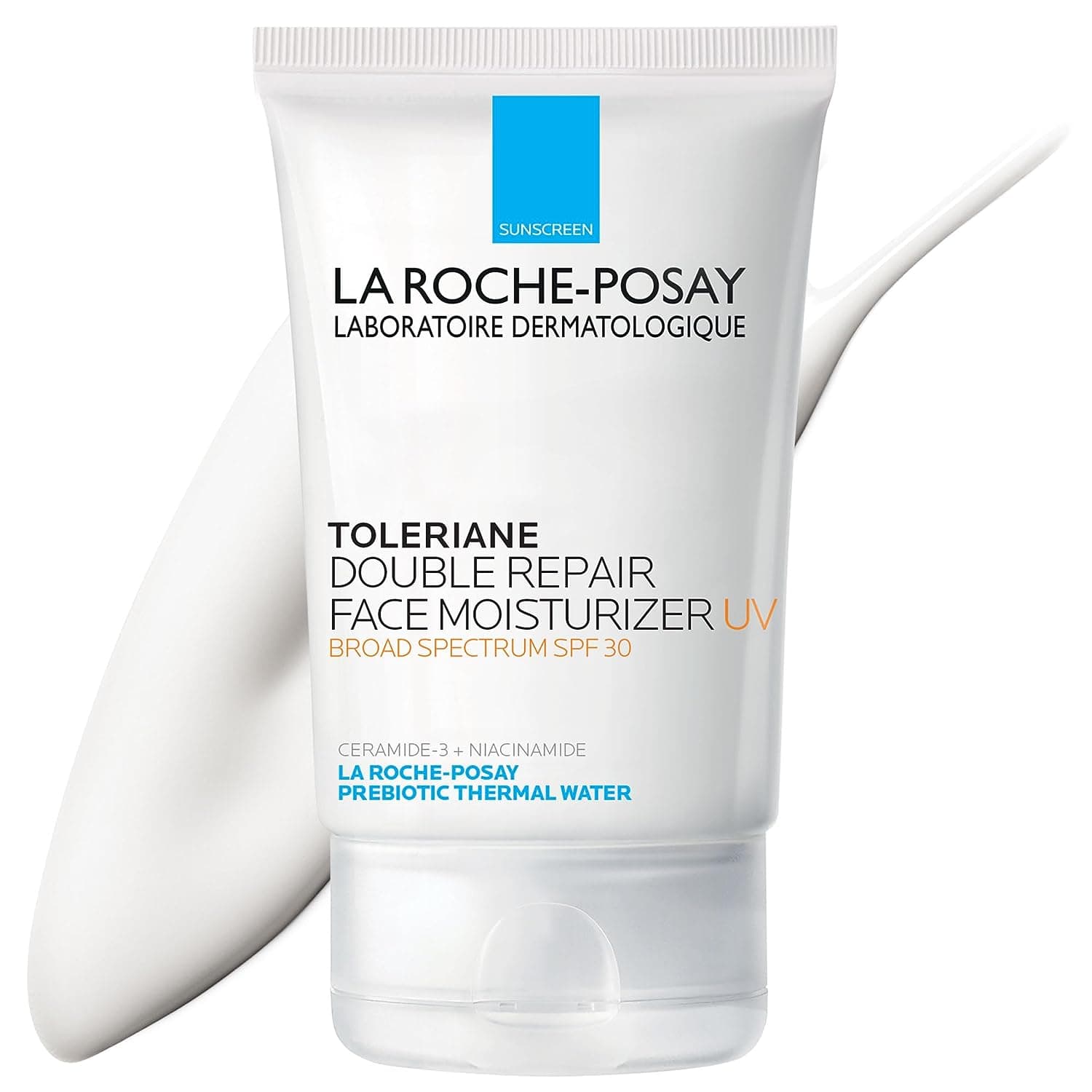
4.6 ★ · 28.2k reviews
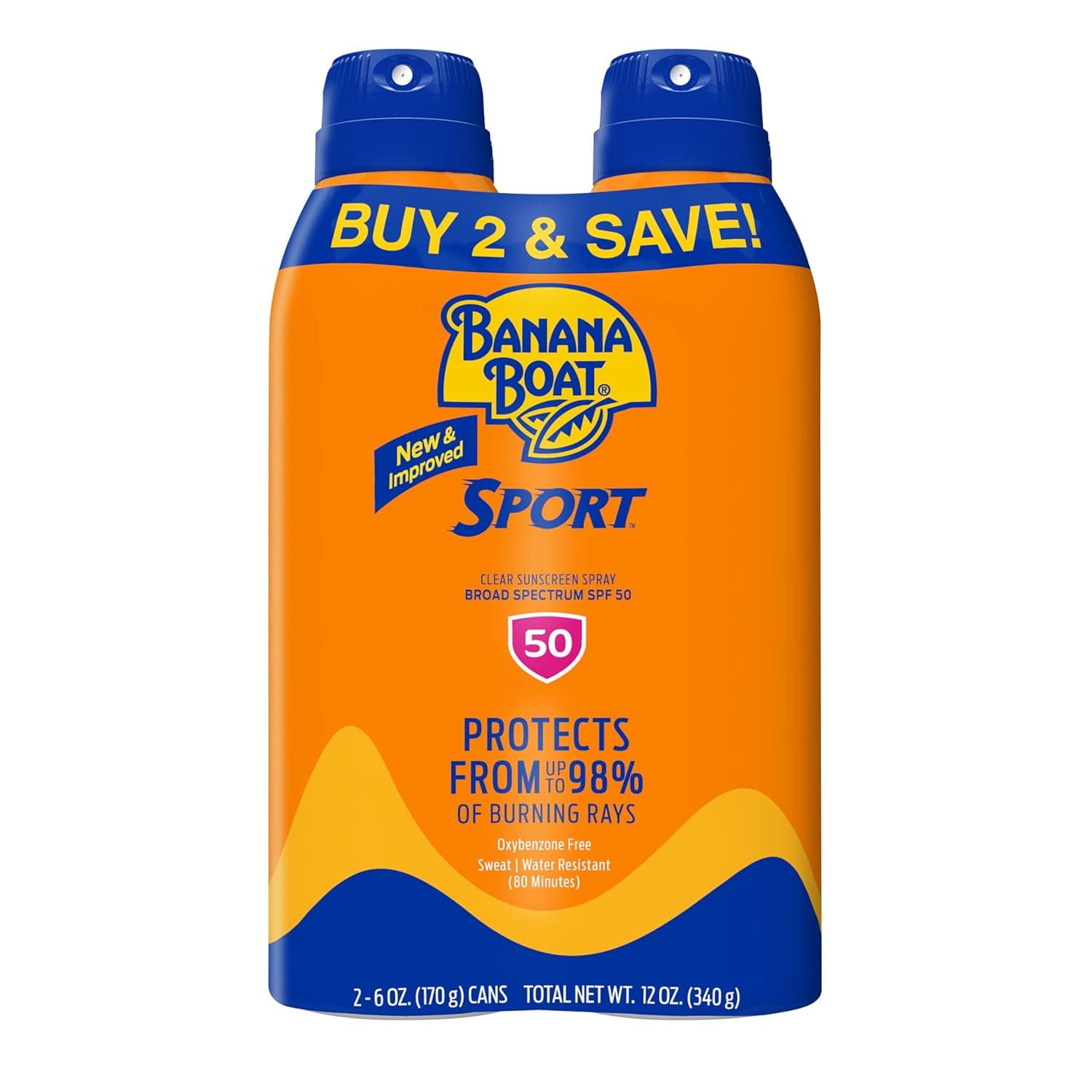
4.8 ★ · 25.5k reviews
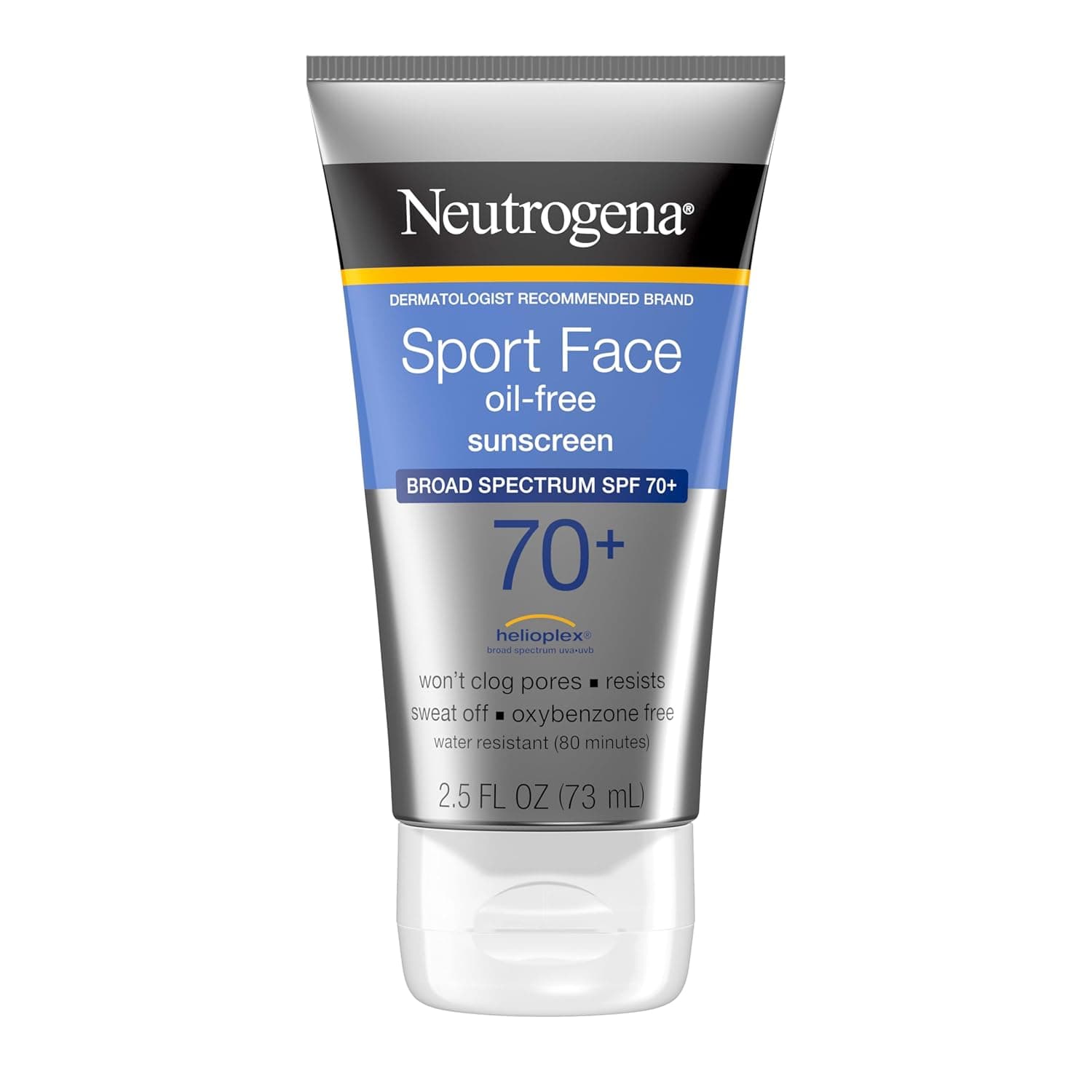
Neutrogena
4.6 ★ · 24.5k reviews
Sunscreens from brands that don't test on animals. How cruelty-free certification works, why China sales complicate it, and how it differs from vegan.
Sunscreens with no animal-derived ingredients. The non-vegan ingredients that hide in sunscreen — beeswax, carmine, lanolin — and how vegan differs from cruelty-free.