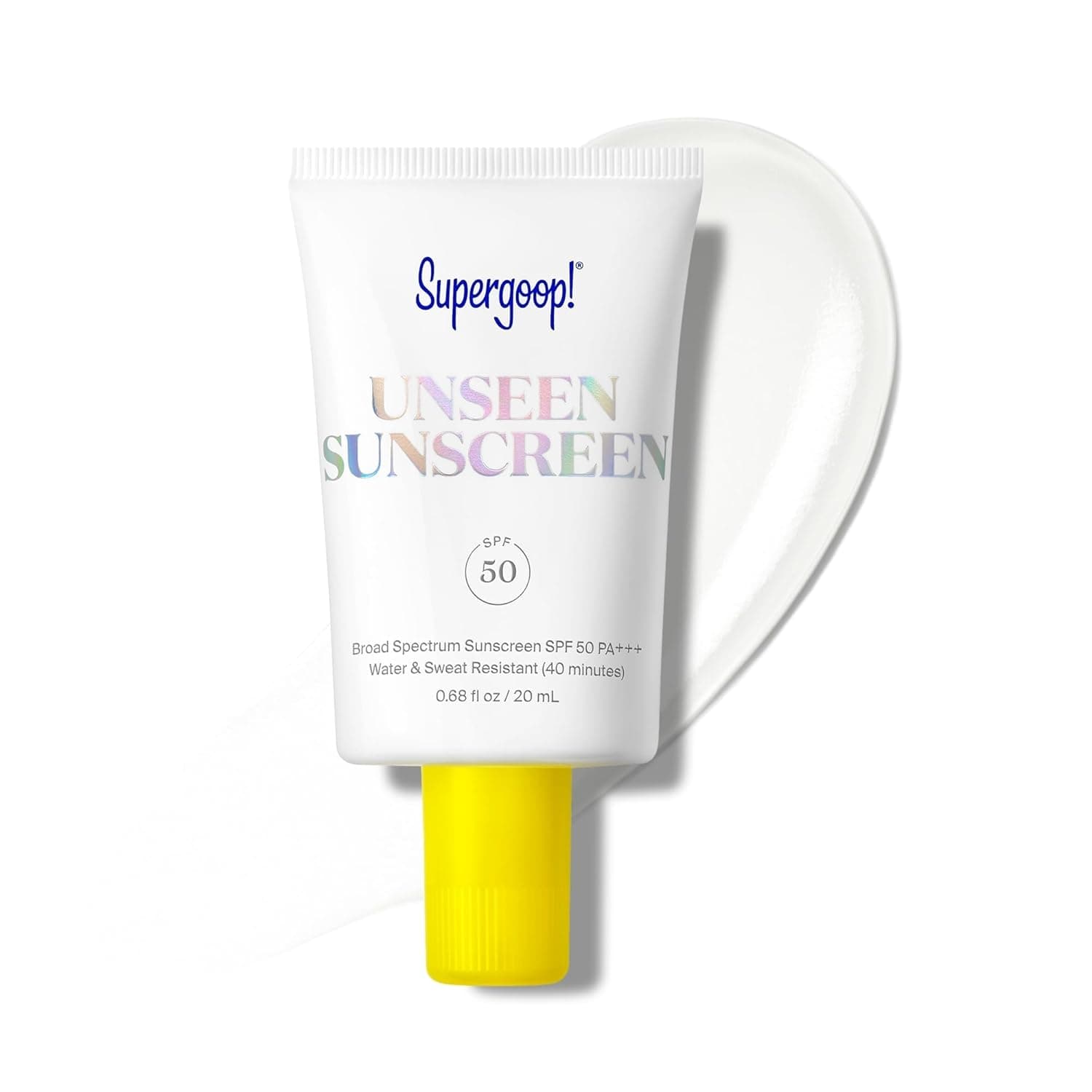
SPF 50PA+++
Supergoop!
Supergoop! Unseen Sunscreen
Malassezia: Low RiskFragrance FreeAlcohol FreeCruelty FreeVeganWater ResistantContains MicroplasticsSuspected EDCOwnership: PE-Owned
$19.00Buy
4.6 ★ · 19k reviews
Updated
A vegan sunscreen contains no animal-derived ingredients or animal byproducts. That sounds straightforward, but sunscreen formulas hide more animal-derived material than most people expect, often behind technical INCI names that don't read as "animal" at all. Knowing the usual suspects makes label-reading much faster.
Beeswax — listed as Cera Alba — is the most common, used as a thickener and water-resistance booster. Carmine (CI 75470) is a red pigment made from crushed cochineal insects. Lanolin comes from sheep's wool. Collagen and elastin are usually bovine-derived. Squalane is the tricky one: it can be made from sugarcane or olives, or rendered from shark liver, and the label rarely says which. Some glycerin and fatty alcohols can also be tallow-derived unless a plant source is specified.
These two get conflated constantly, but they answer different questions. Vegan is about ingredients — does the formula contain anything animal-derived. Cruelty-free is about testing — was it tested on animals. A sunscreen can easily be one without the other: a beeswax formula from a brand that never tests on animals is cruelty-free but not vegan, and a fully plant-based formula from a brand that sells into a testing market is vegan but not cruelty-free. If both matter to you, apply both filters.
Nearly every animal-derived sunscreen ingredient now has a plant equivalent that performs just as well. Sugarcane-derived squalane is chemically identical to the shark-derived version. Candelilla and carnauba waxes replace beeswax. Plant-derived fatty alcohols stand in for tallow-based ones. The gap between vegan and conventional formulas, in both feel and performance, has essentially closed — so a vegan label no longer means a compromise.
No animal-derived ingredients anywhere in the formula — no beeswax, carmine, lanolin, collagen, or shark-derived squalane. Plant-based equivalents replace each of these in a vegan formulation.
It depends on the source. Squalane is made from sugarcane, olives, rice bran, or shark liver. Plant-derived squalane is now the industry norm, but labels often don't specify. If it doesn't say "plant-derived," check with the brand or choose a certified-vegan product.
Yes, especially in sunscreens marketed as natural or organic, where beeswax is used to thicken the formula and boost water resistance. When you're scanning a label, watch for "Cera Alba" as well — it's the INCI name for beeswax.
Sometimes, indirectly — avoiding animal-derived ingredients sidesteps some sourcing and supply-chain concerns. But the bigger environmental levers in sunscreen are reef safety and microplastic content. For the lowest overall footprint, pair vegan with the reef-safe filter.
32 sunscreens pass this filter
Combine with other filters on the full browse page.
Supergoop!
4.6 ★ · 19k reviews
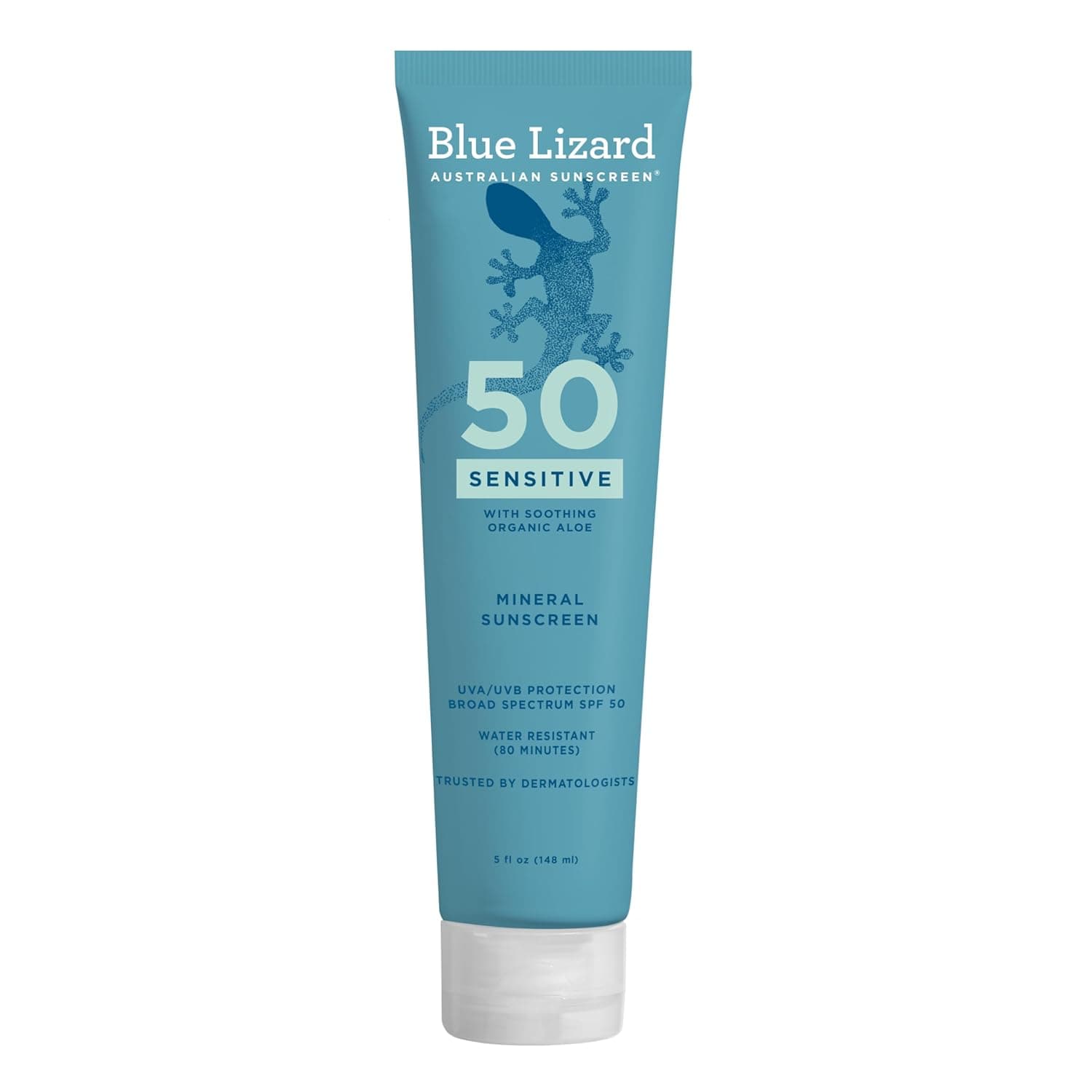
4.6 ★ · 14.4k reviews
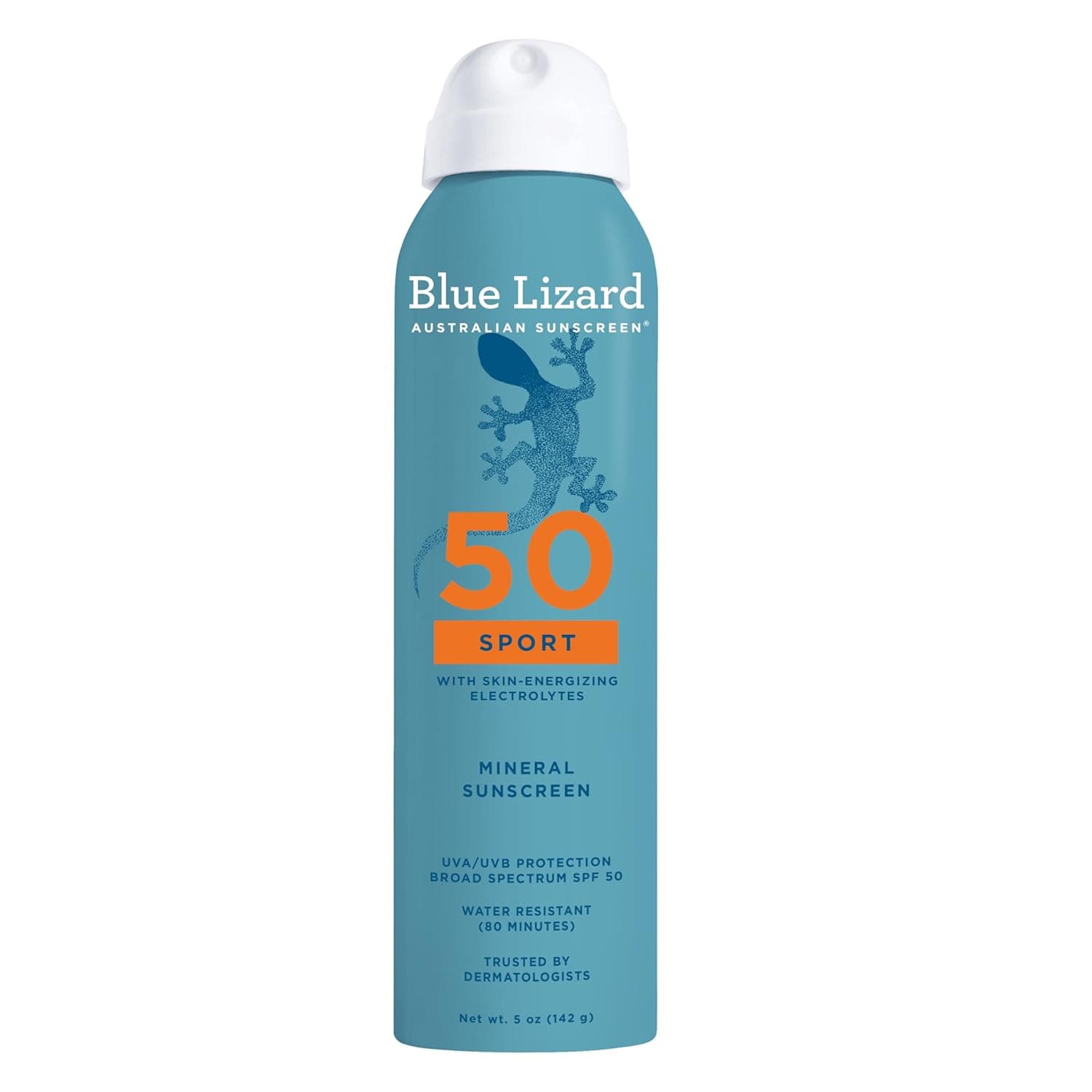
4.0 ★ · 9.4k reviews
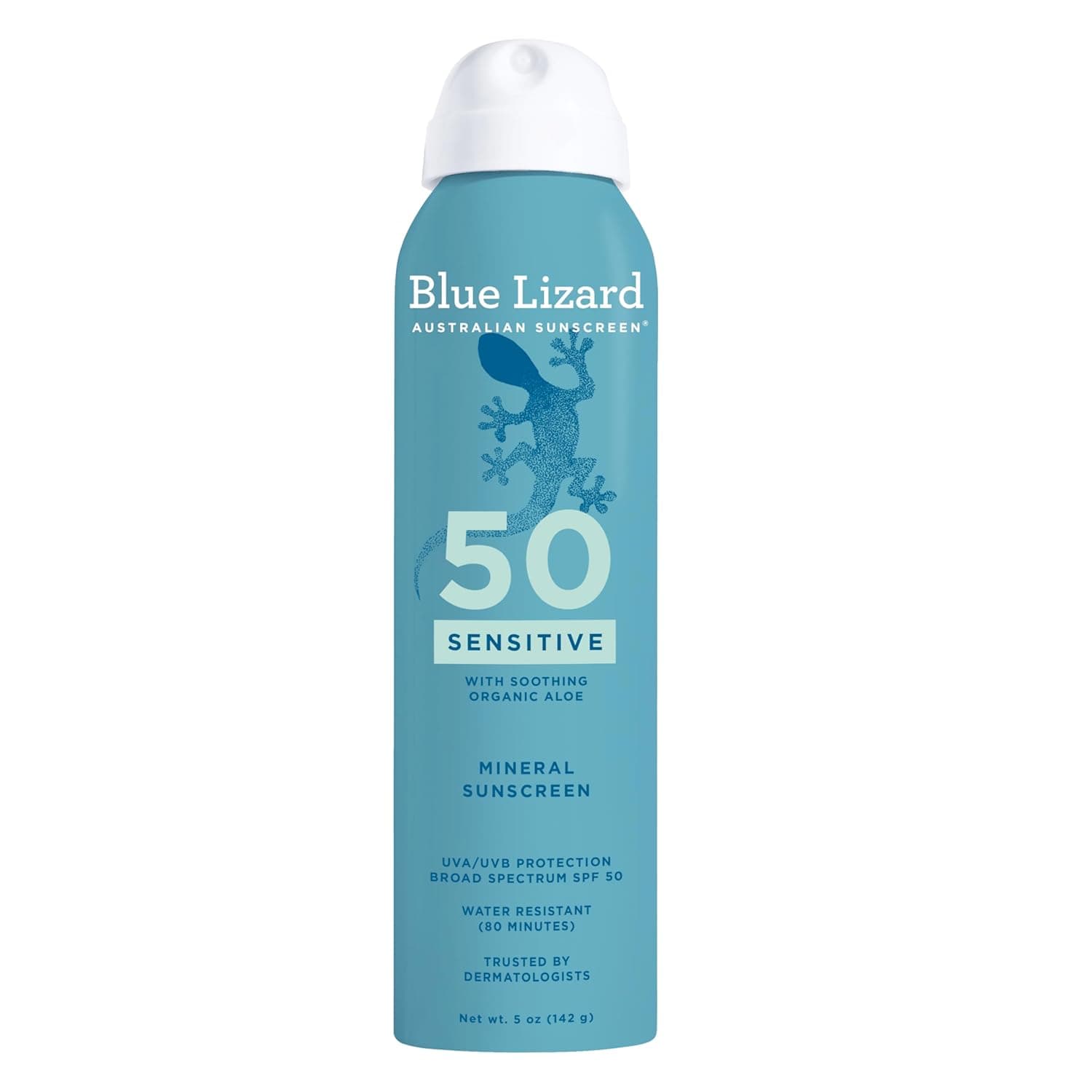
BLUE LIZARD
4.0 ★ · 9.4k reviews
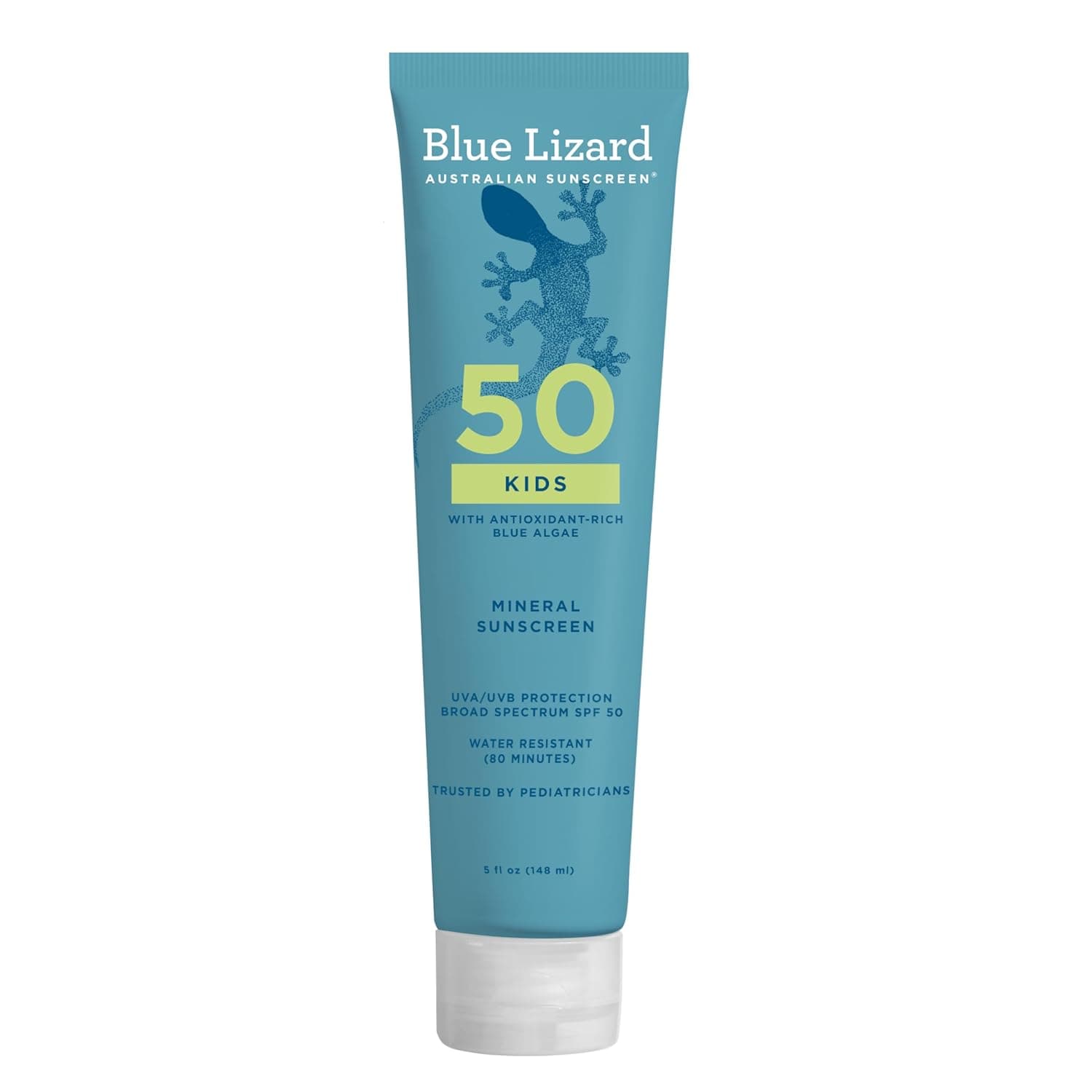
4.7 ★ · 8.3k reviews
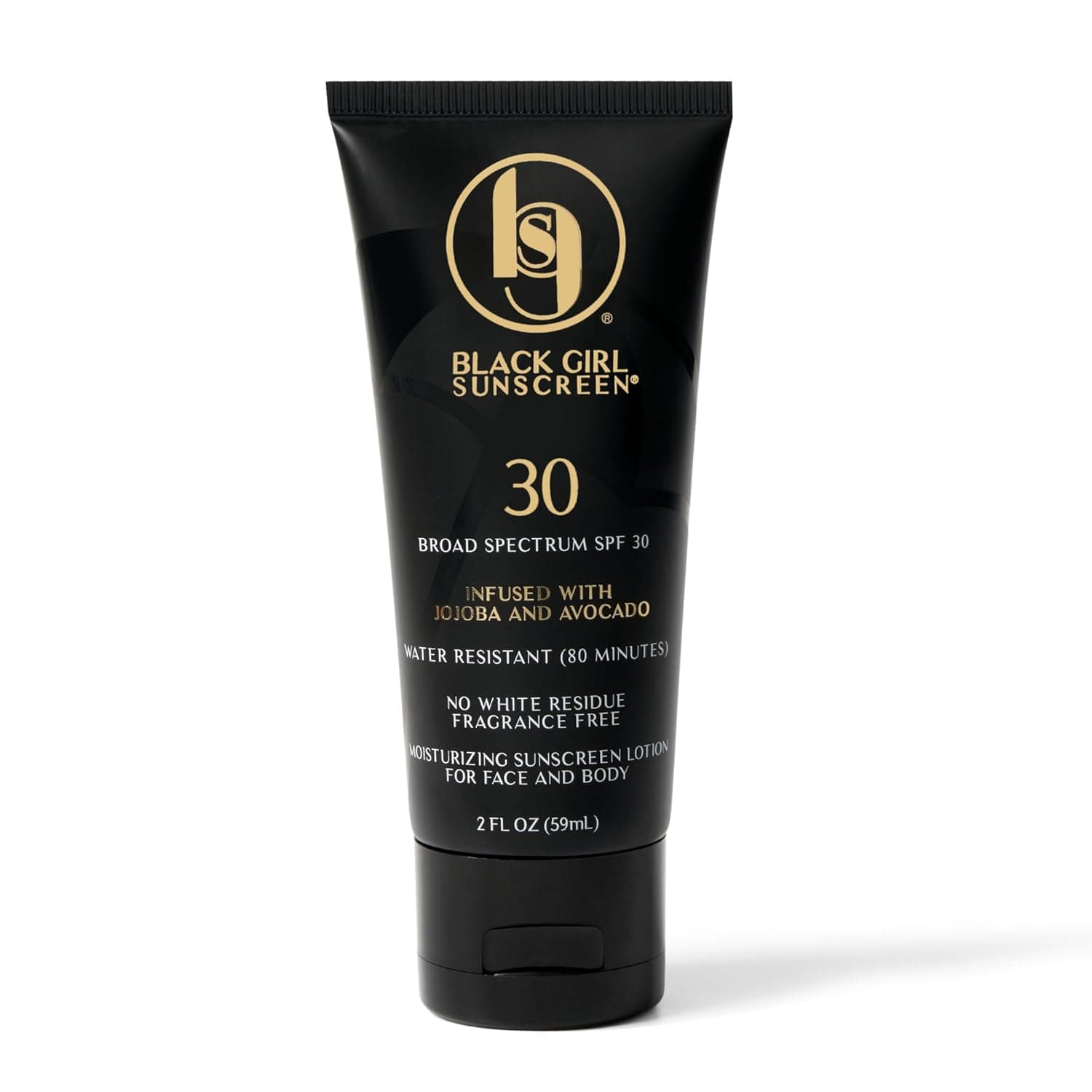
BLACK GIRL SUNSCREEN
4.7 ★ · 8.1k reviews
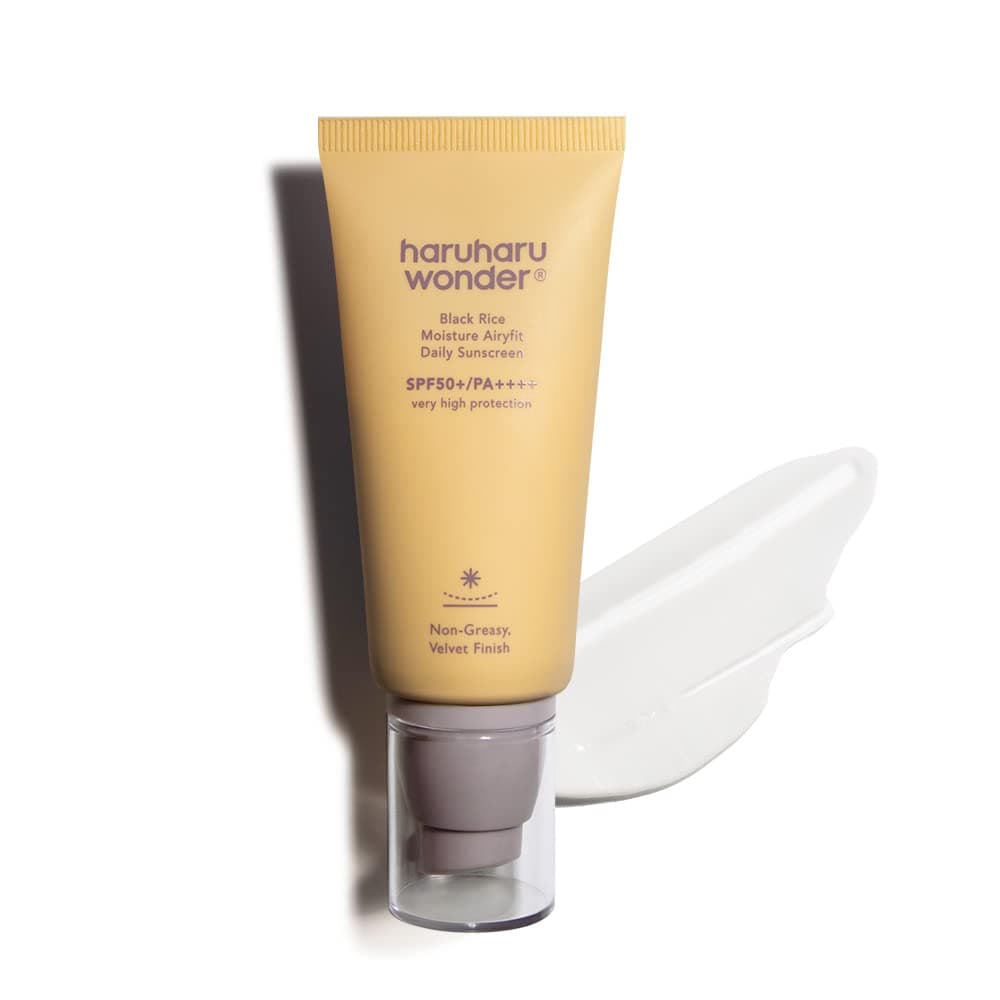
4.6 ★ · 5.5k reviews
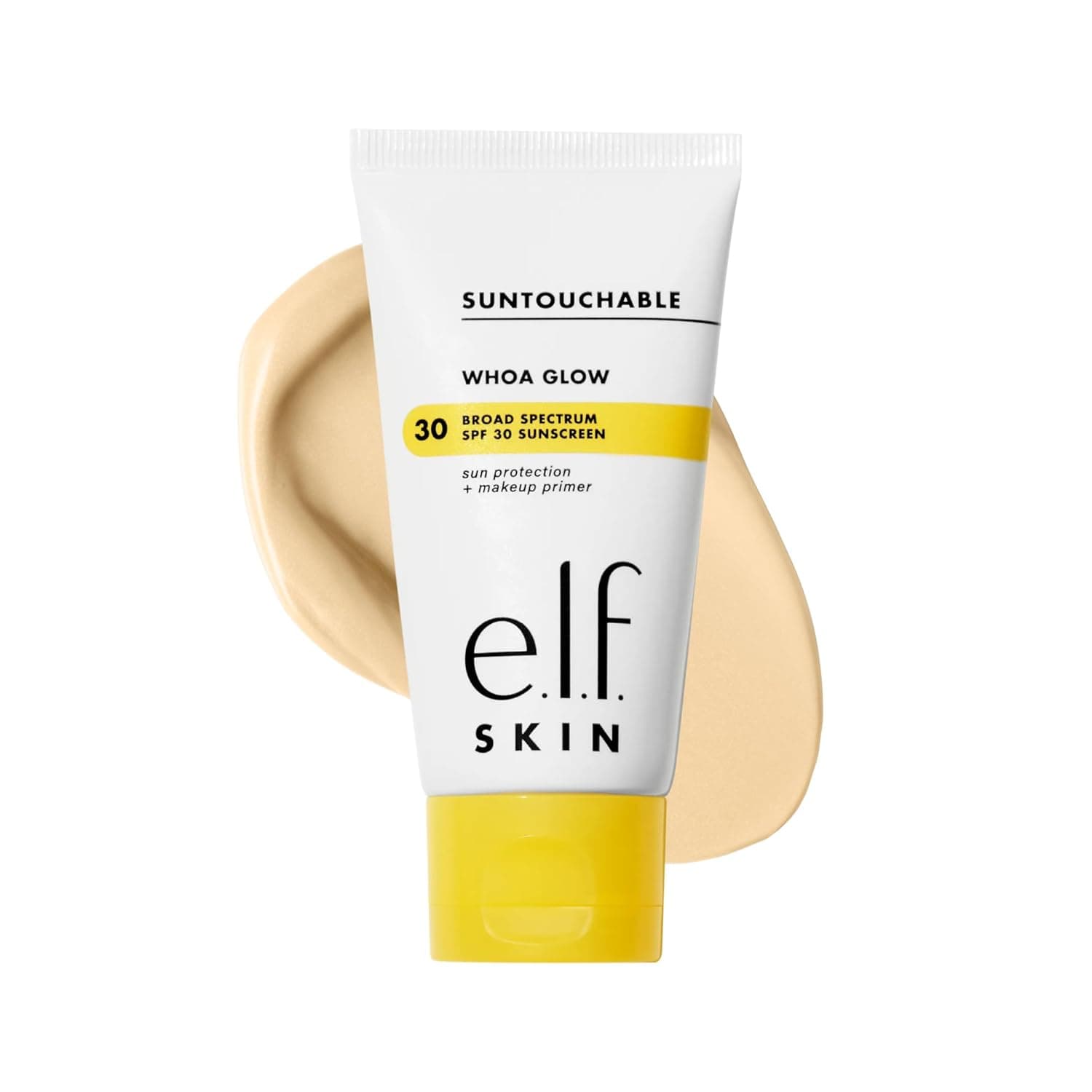
4.5 ★ · 4.3k reviews
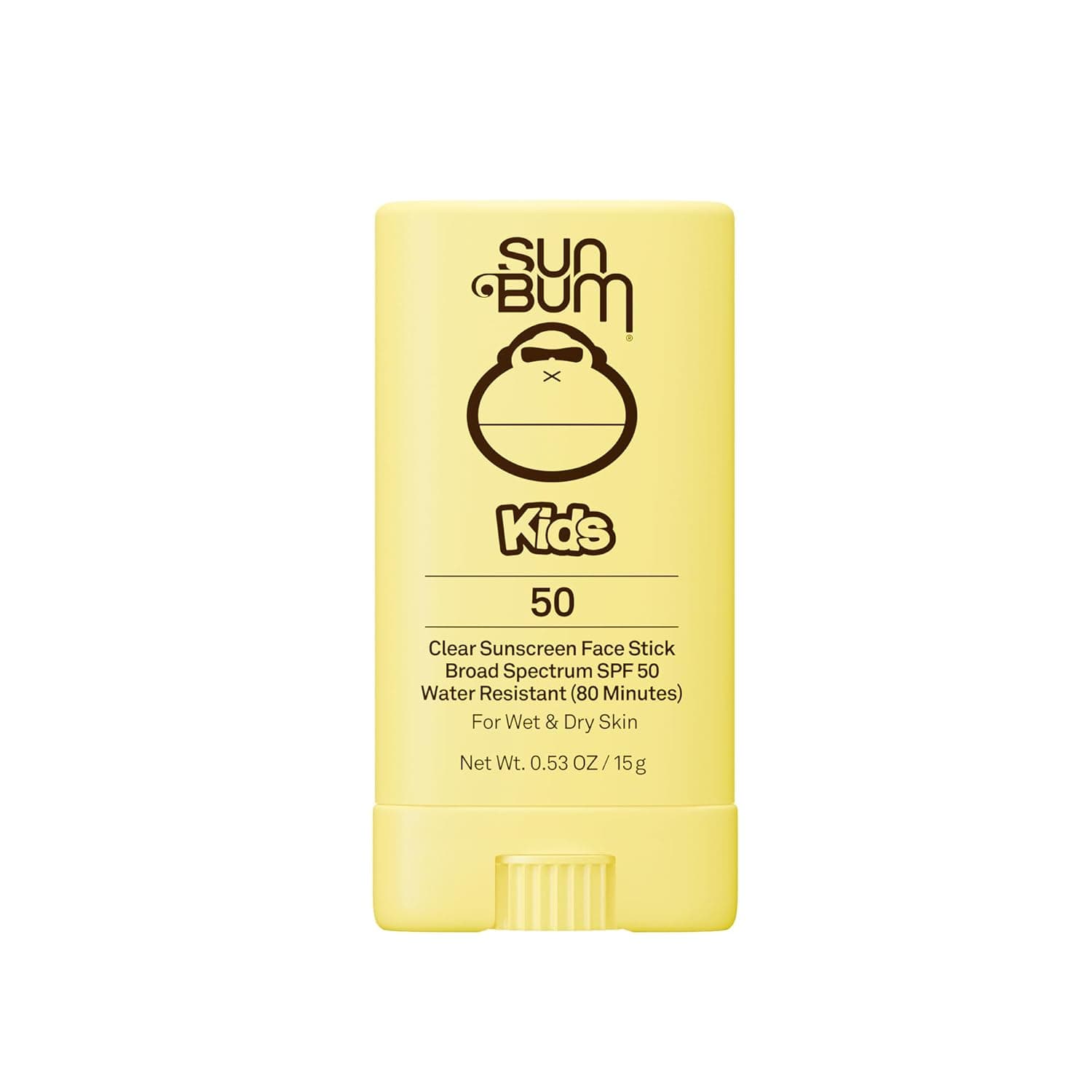
4.8 ★ · 3.7k reviews
Sunscreens from brands that don't test on animals. How cruelty-free certification works, why China sales complicate it, and how it differs from vegan.
Sunscreens from founder-owned, independent brands rather than private-equity-held ones — and what tends to change to a formula after an acquisition.