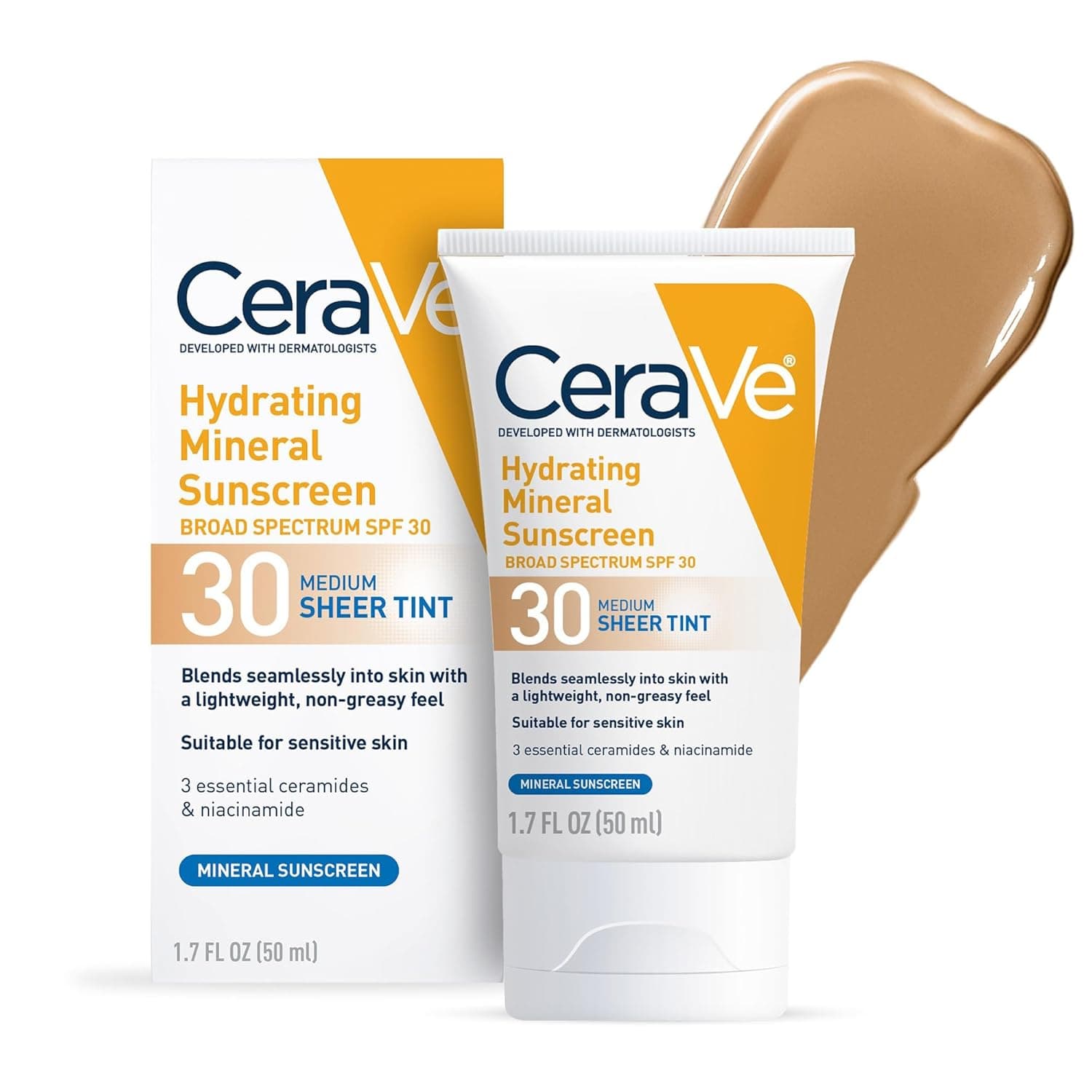
SPF 30
Malassezia: Medium RiskFragrance FreeAlcohol FreeContains MicroplasticsOwnership: Public Parent
$15.99Buy
4.4 ★ · 70.8k reviews
Updated
Coral reefs occupy less than 1% of the ocean floor and support around a quarter of all marine species. Two of the most common chemical UV filters, oxybenzone and octinoxate, have been shown to bleach coral, deform coral larvae, and disrupt the hormones of marine organisms at concentrations measured in parts per trillion. Enough governments have acted on that evidence that "reef-safe" has moved from a marketing phrase to something with real bans behind it.
A 2015 study in Archives of Environmental Contamination and Toxicology found oxybenzone toxic to coral at concentrations far below those measured in popular swimming spots off Hawaii and the US Virgin Islands. It damages coral DNA, deforms larvae, and traps young coral in their own skeletons. Octinoxate showed comparable toxicity in later work. Both filters are fat-soluble, so they don't just pass through — they accumulate in marine tissue and move up the food chain.
Hawaii banned oxybenzone and octinoxate effective 2021 — the first US state to do so. Palau went further with a ten-ingredient ban effective 2020. The US Virgin Islands banned oxybenzone, octinoxate, and octocrylene in 2020. Aruba banned oxybenzone in 2020, and Bonaire banned both filters in 2021. Key West, Florida banned both in 2021, and Thailand prohibited them in its marine national parks the same year. Several reef areas in Mexico, including Cozumel, restrict chemical sunscreen as a condition of entry.
There's no legal definition of "reef-safe" in the US — no agency polices the term, so any brand can print it on anything. Our filter uses a concrete definition instead: a sunscreen passes only if it contains neither oxybenzone nor octinoxate, the two filters with the strongest evidence and the actual bans. Other chemical filters such as octocrylene and homosalate have emerging concerns, but the evidence is thinner, so we don't fold them into this particular filter.
If reef impact is your priority, a mineral sunscreen built on non-nano zinc oxide and titanium dioxide is the safest option — these don't dissolve into the water column or absorb into marine organisms the way chemical filters do. Pair it with the microplastic-free filter to also keep synthetic polymers out of the water. And skip spray sunscreens near the water entirely: a large share of the spray never lands on skin.
In practice it means free of oxybenzone and octinoxate, the two UV filters with the strongest coral-harm evidence and the widest bans. Stricter definitions also exclude octocrylene and microplastics. There's no official standard, so the only reliable check is the ingredient list.
Hawaii (2021), Palau (2020), the US Virgin Islands (2020), Aruba (2020), Bonaire (2021), Key West (2021), and Thailand's marine national parks (2021). Several reef areas in Mexico and the Caribbean enforce local restrictions on top of these.
No. Neither the FDA nor the FTC defines it, so a brand can use the label on any formula regardless of what's inside. Treat it as a starting point, not proof — then verify against the actual ingredient list.
Zinc oxide and titanium dioxide don't harm coral, so mineral sunscreens are the safest category. The one caveat is particle size — nano particles can be ingested by filter-feeding marine life, so non-nano mineral formulas are preferred for reef swimming.
It washes off swimmers directly, and it also enters the ocean through wastewater after showers. Researchers estimate thousands of tons of sunscreen reach reef areas every year — enough that in heavily visited spots the concentration is well within the range shown to harm coral.
125 sunscreens pass this filter
Combine with other filters on the full browse page.
4.4 ★ · 70.8k reviews
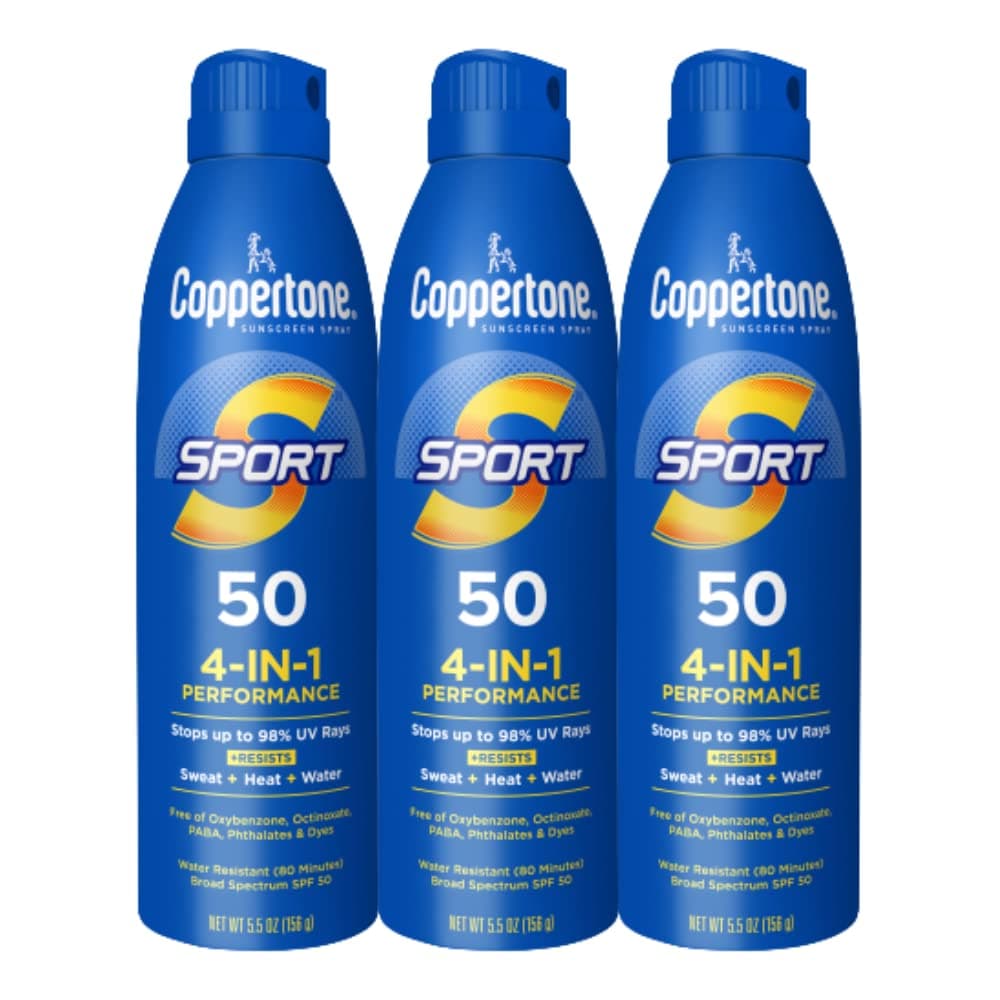
Coppertone
4.7 ★ · 38.7k reviews
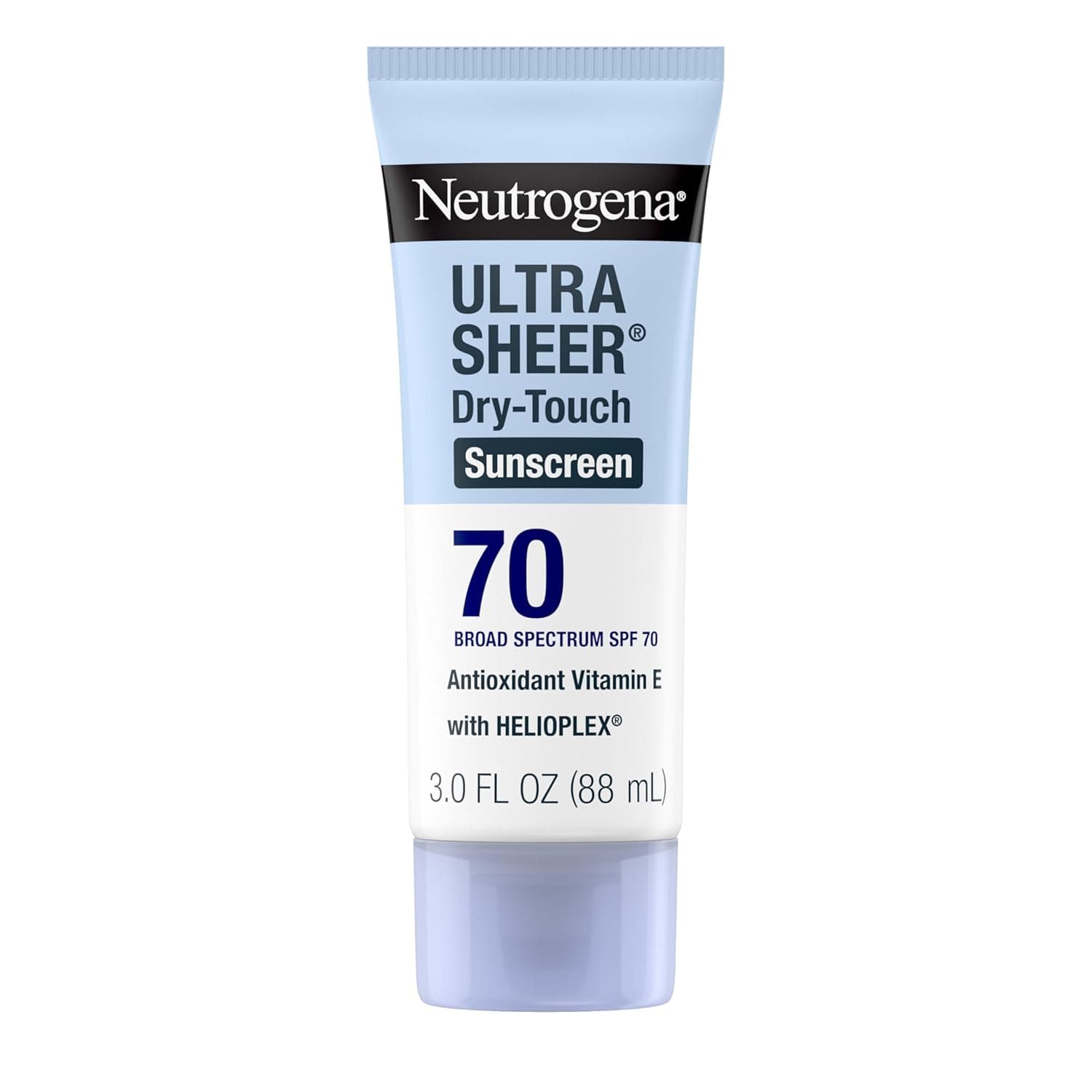
4.6 ★ · 37.4k reviews
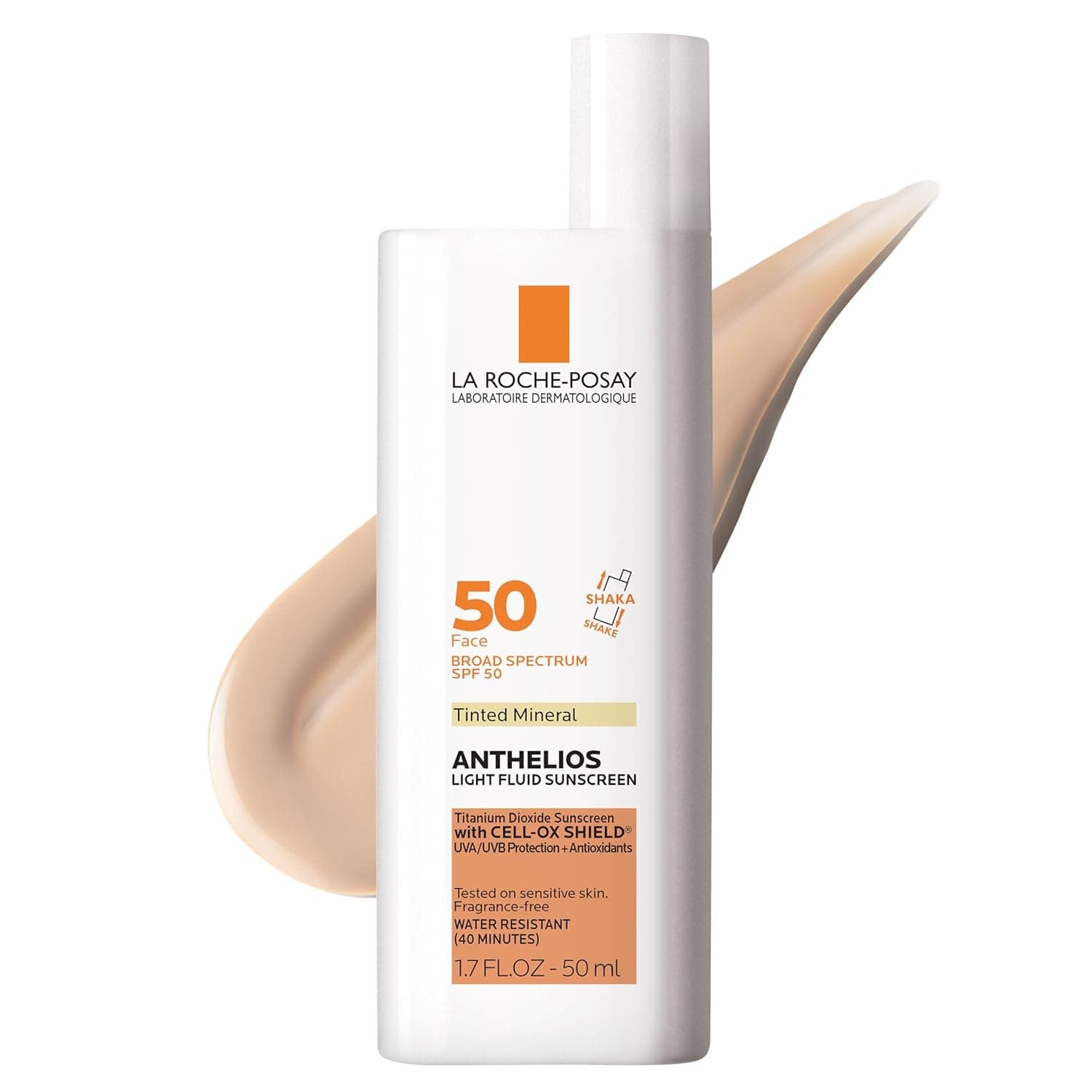
La Roche-Posay
4.5 ★ · 31k reviews
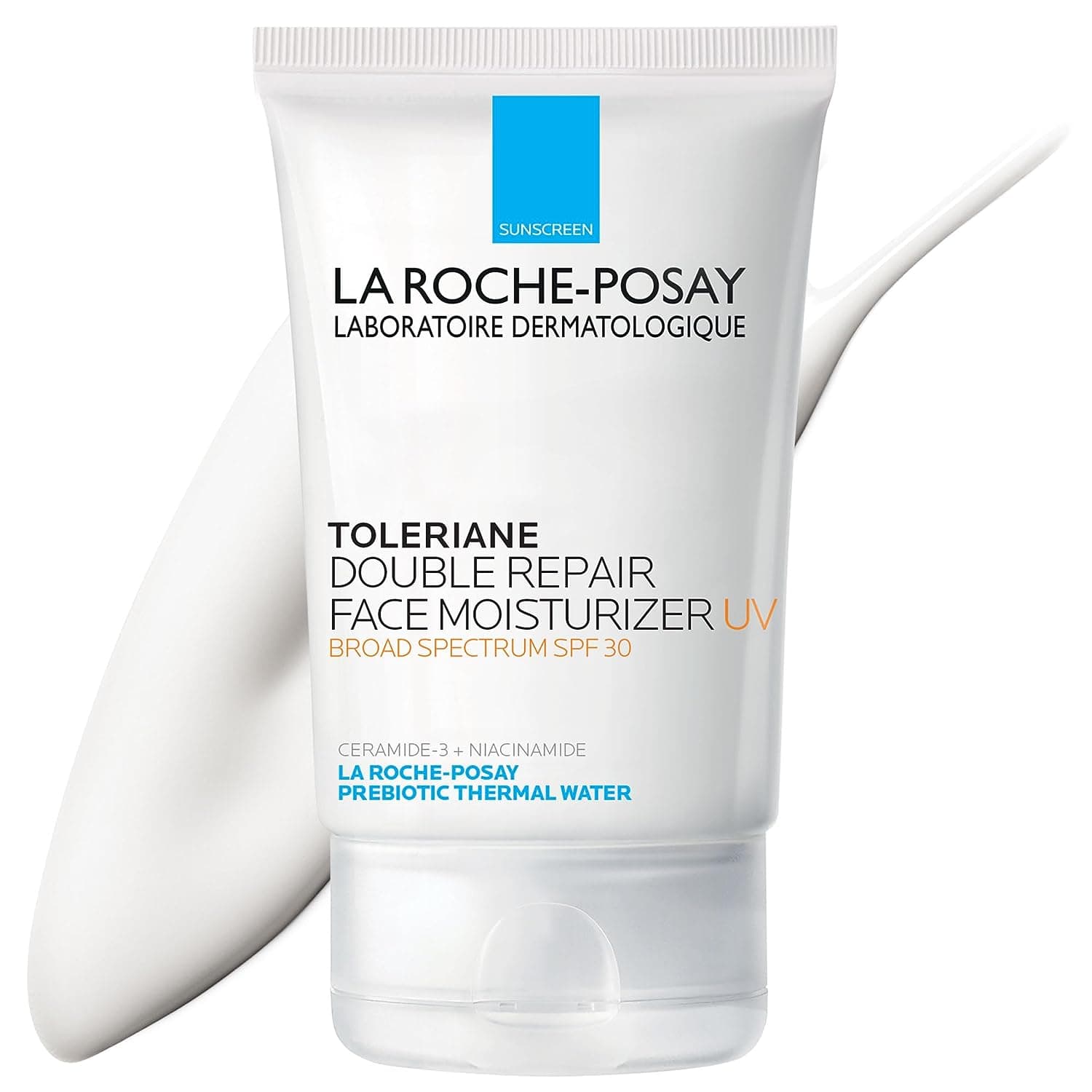
4.6 ★ · 28.2k reviews
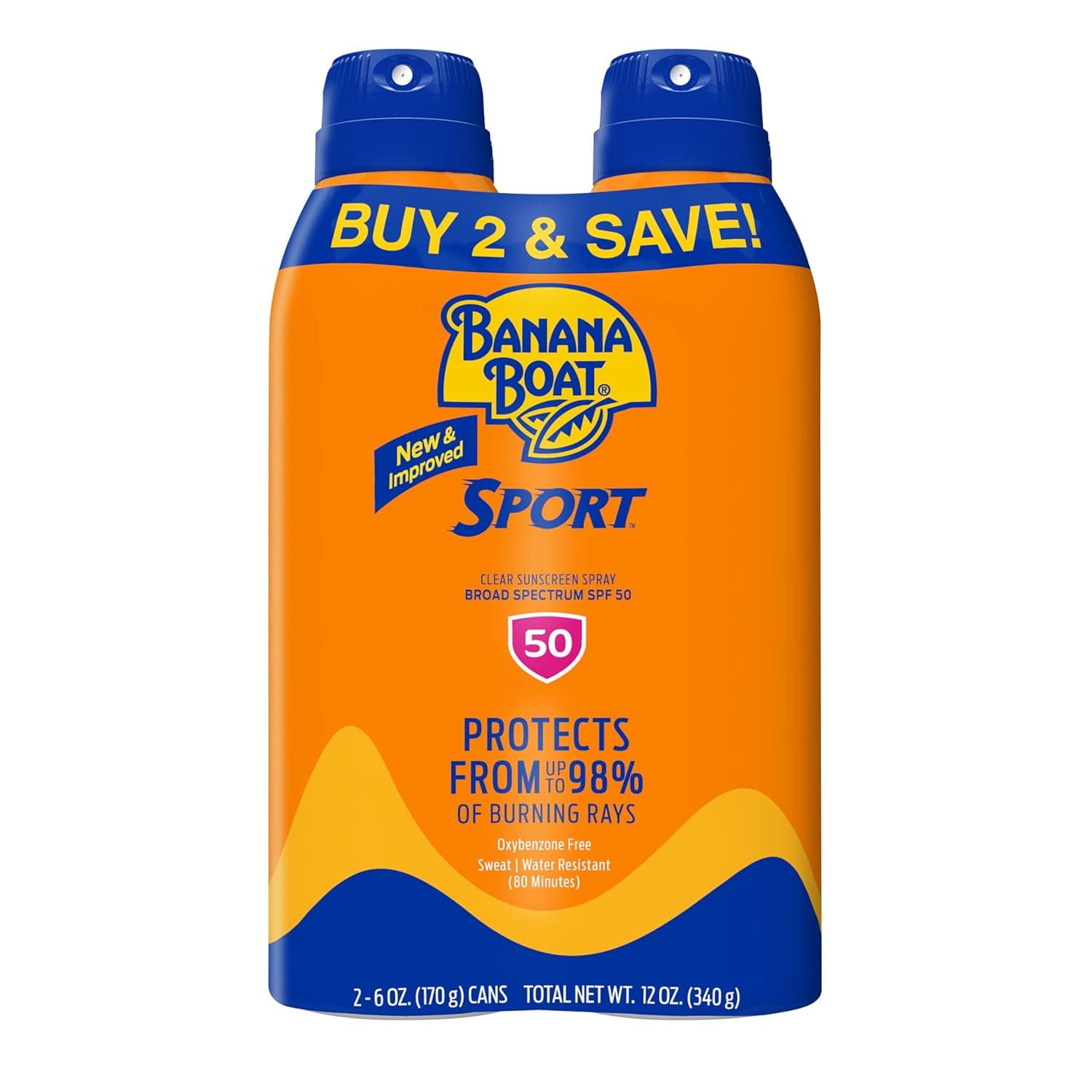
4.8 ★ · 25.5k reviews
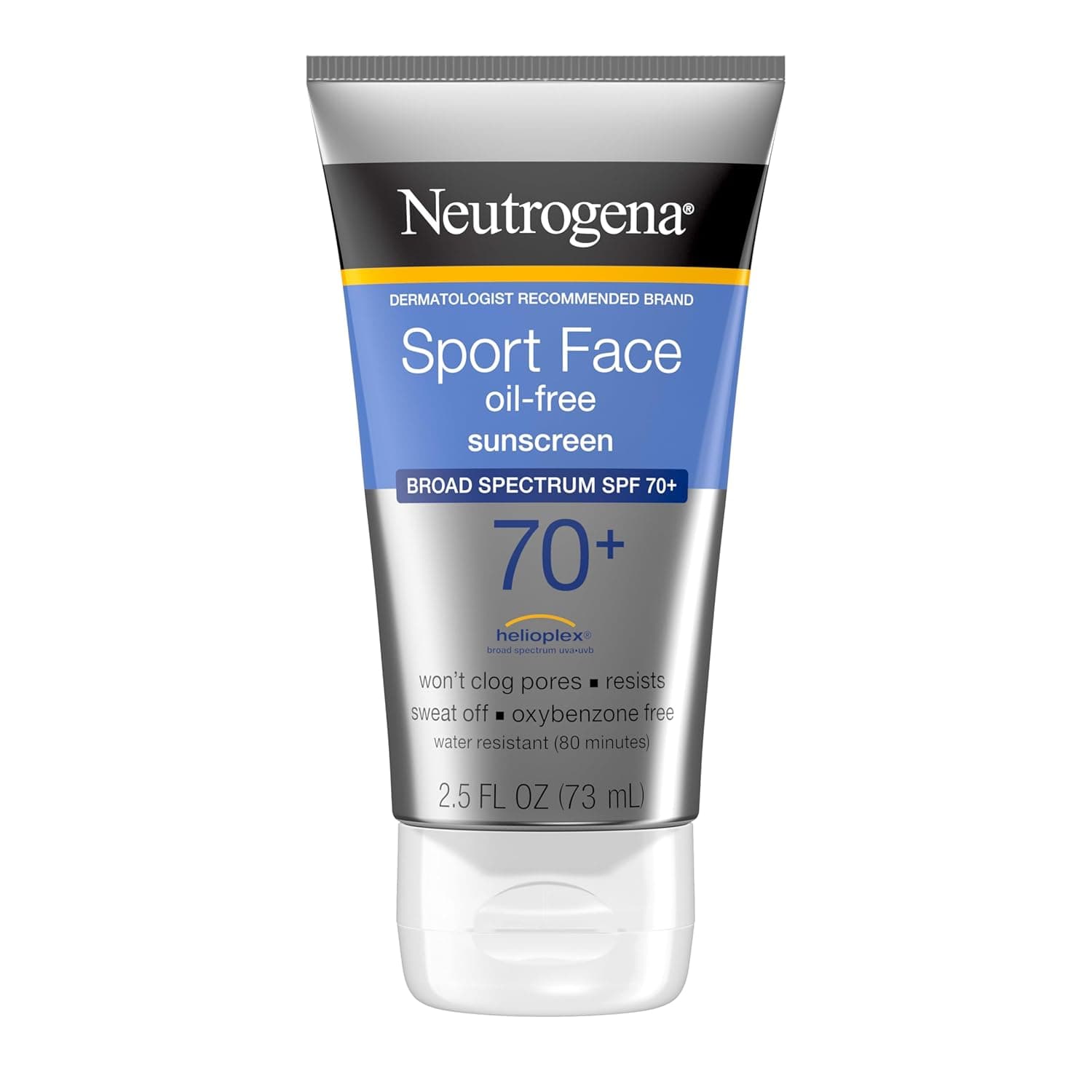
Neutrogena
4.6 ★ · 24.5k reviews
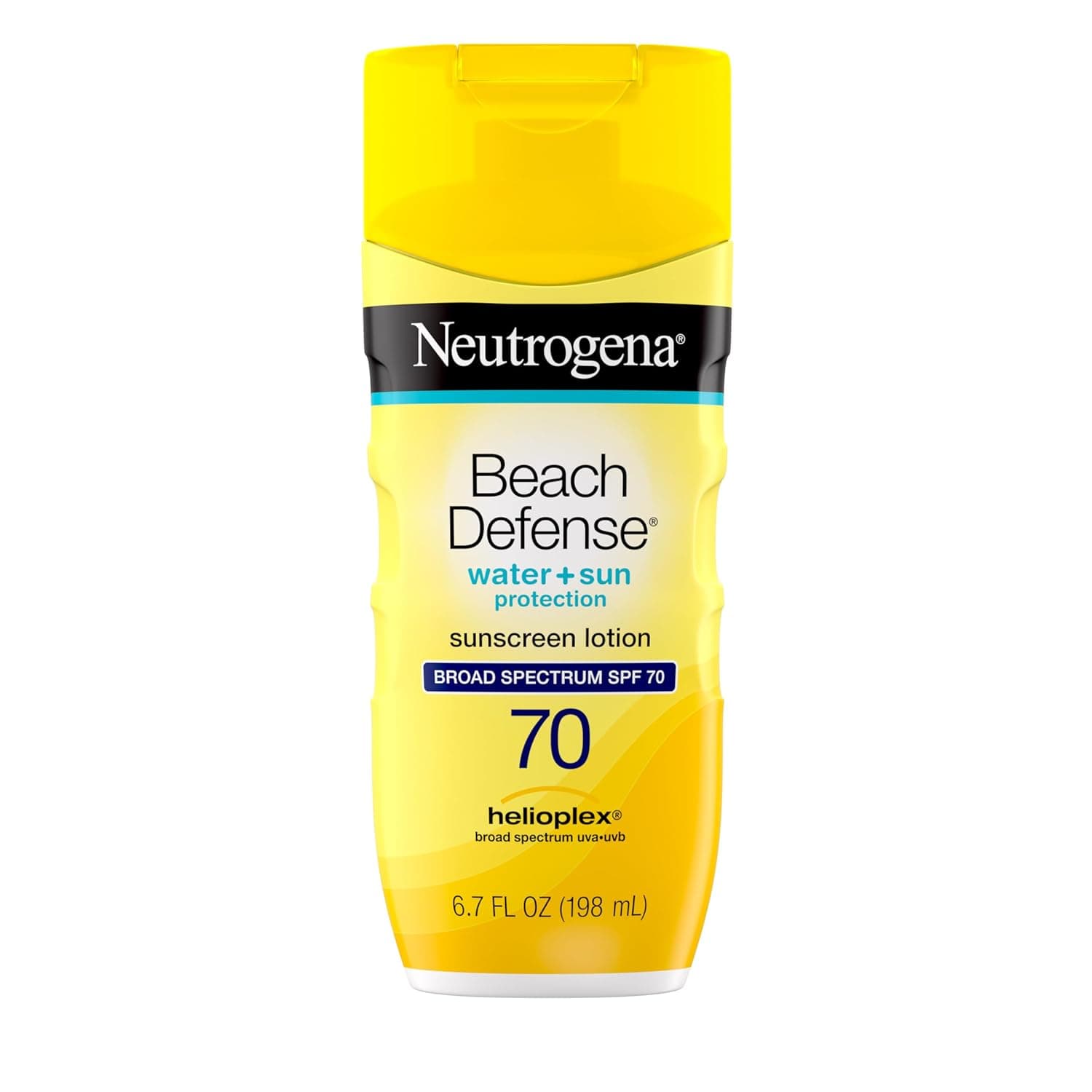
4.7 ★ · 23.2k reviews
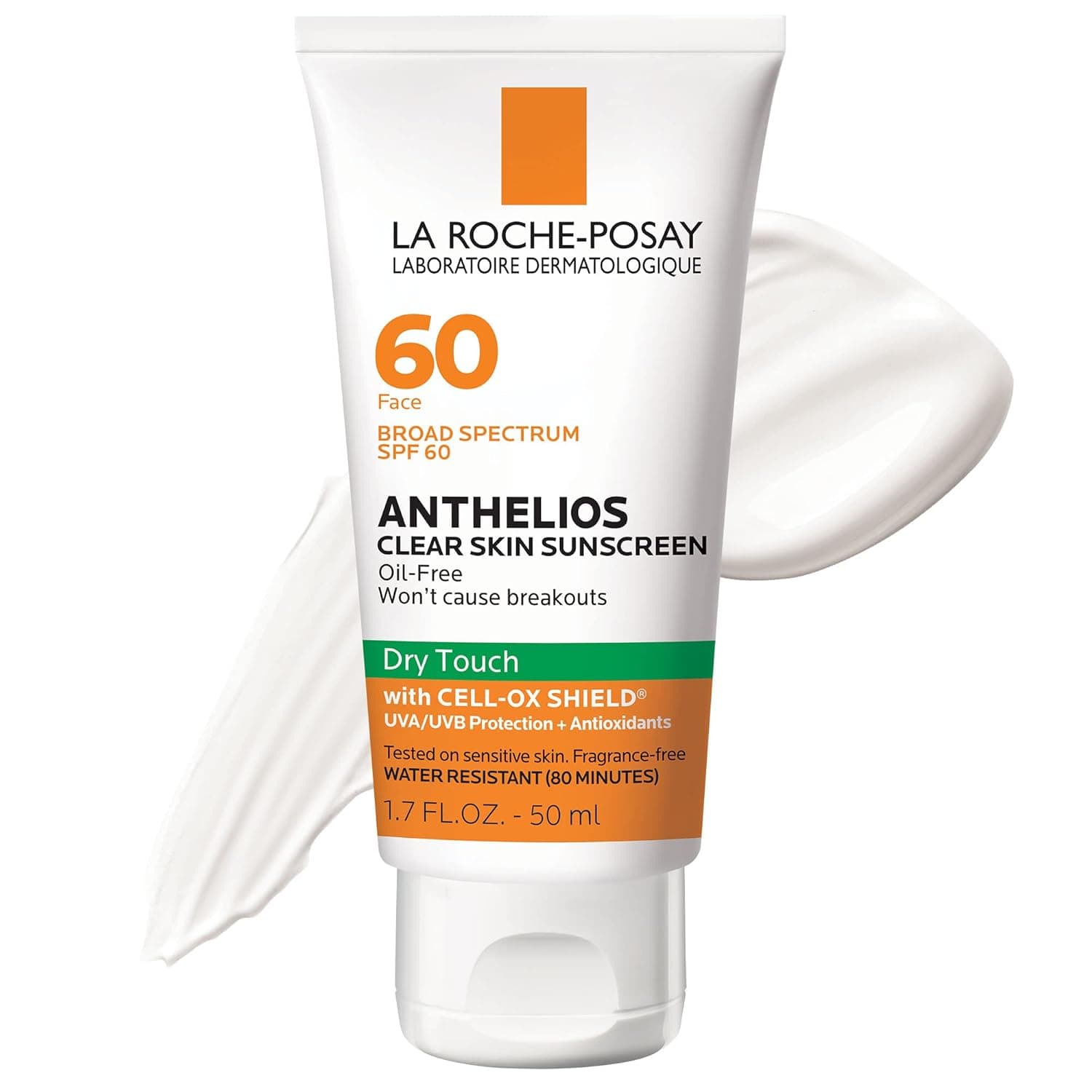
4.4 ★ · 22.7k reviews
Mineral (physical) sunscreens that use only zinc oxide and titanium dioxide — no chemical UV filters. How they differ from chemical sunscreens and how to dodge white cast.
Sunscreens free of solid synthetic polymers — polyethylene, nylon-12, acrylate copolymers — flagged against the Beat the Microbead RED list and EU restrictions.
Sunscreens free of the chemical UV filters with confirmed endocrine-disruptor evidence — oxybenzone and octinoxate — and why skin absorption is the heart of the issue.