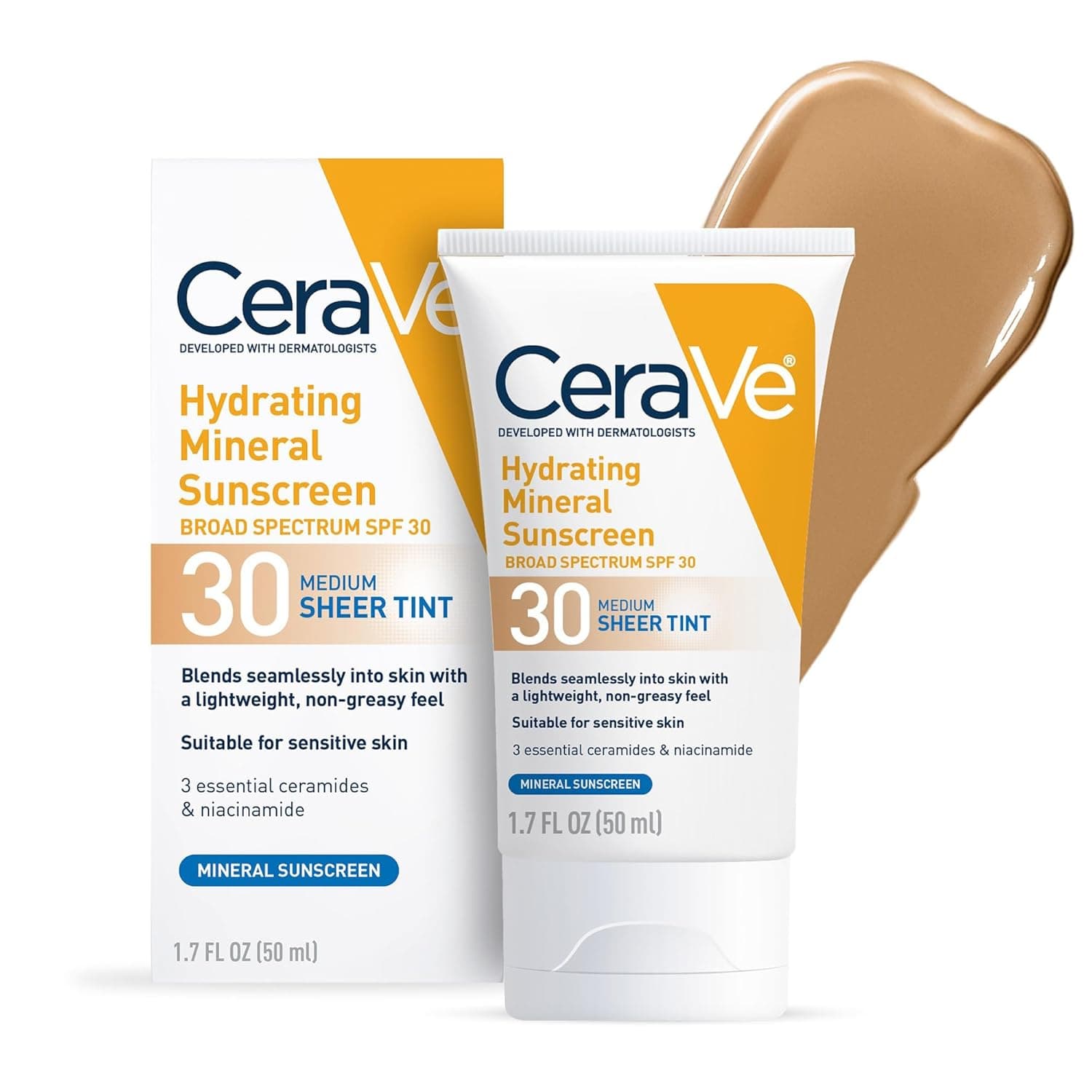
SPF 30
Malassezia: Medium RiskFragrance FreeAlcohol FreeContains MicroplasticsOwnership: Public Parent
$15.99Buy
4.4 ★ · 70.8k reviews
Updated
Some chemical UV filters are endocrine disruptors: compounds that interfere with the body's hormone signalling at low doses. It's an active area of regulatory work — the EU's Scientific Committee on Consumer Safety has reassessed several common filters and cut their permitted concentrations. For someone applying sunscreen to their face and body every day for decades, the question isn't a single exposure, it's the total that builds up over a lifetime of use.
Oxybenzone has the clearest case against it. It shows estrogenic activity in lab studies, and a 2019 FDA study detected it in blood at many times the agency's own threshold for requiring further safety review — after a single day of normal application. Octinoxate also has confirmed estrogenic activity and is the second filter we treat as a confirmed disruptor. Others, including homosalate and octocrylene, show weaker or more contested signals; the EU has cut homosalate's permitted concentration to 7.34% in response.
What separates mineral filters from chemical ones here is simple: absorption. Zinc oxide and titanium dioxide aren't meaningfully absorbed through intact skin — they stay on the surface and do their job there. Chemical UV filters are fat-soluble and designed to sink in, and the FDA's testing has confirmed they reach the bloodstream after a single application, with some still detectable days later. A blood level isn't proof of harm, but it's what makes cumulative, decades-long exposure a question worth taking seriously.
We keep two tiers. This "hormone-safe" filter removes products containing the filters with confirmed, high-evidence endocrine activity and active regulatory restriction — oxybenzone and octinoxate chief among them, alongside certain parabens and a few other flagged preservatives. A separate "suspected" tier covers filters like homosalate and octocrylene, where the evidence is real but weaker. If you want to be cautious about the contested cases too, use the stricter suspected-EDC filter.
If minimising what gets into your body is the goal, a mineral sunscreen is the most direct answer — its filters simply don't enter the bloodstream in measurable amounts. There's also a useful overlap worth knowing: the chemical filters under endocrine scrutiny are largely the same ones that harm coral reefs, so the reef-safe filter and this one tend to surface many of the same products.
Oxybenzone has the strongest evidence and octinoxate is the second confirmed one; certain parabens used as preservatives also qualify. Homosalate and octocrylene sit in a weaker-evidence "suspected" category. The EU has cut permitted concentrations of several of these.
The FDA hasn't declared oxybenzone unsafe, but its own 2019 study found it in blood far above the level that triggers further safety review, and the EU has restricted it. Combined with its reef toxicity, many dermatologists now suggest avoiding it as a sensible precaution rather than waiting for a verdict.
Yes. Zinc oxide and titanium dioxide aren't meaningfully absorbed through intact skin, so they don't raise the systemic-exposure questions chemical filters do. They're the most straightforward choice for daily, long-term use.
The FDA's 2019 study found measurable blood levels of every chemical filter it tested — oxybenzone, octocrylene, avobenzone, and ecamsule — after a single day of normal application, with all four exceeding the agency's review threshold. Mineral filters weren't part of that study and aren't detected in blood in comparable testing.
124 sunscreens pass this filter
Combine with other filters on the full browse page.
4.4 ★ · 70.8k reviews
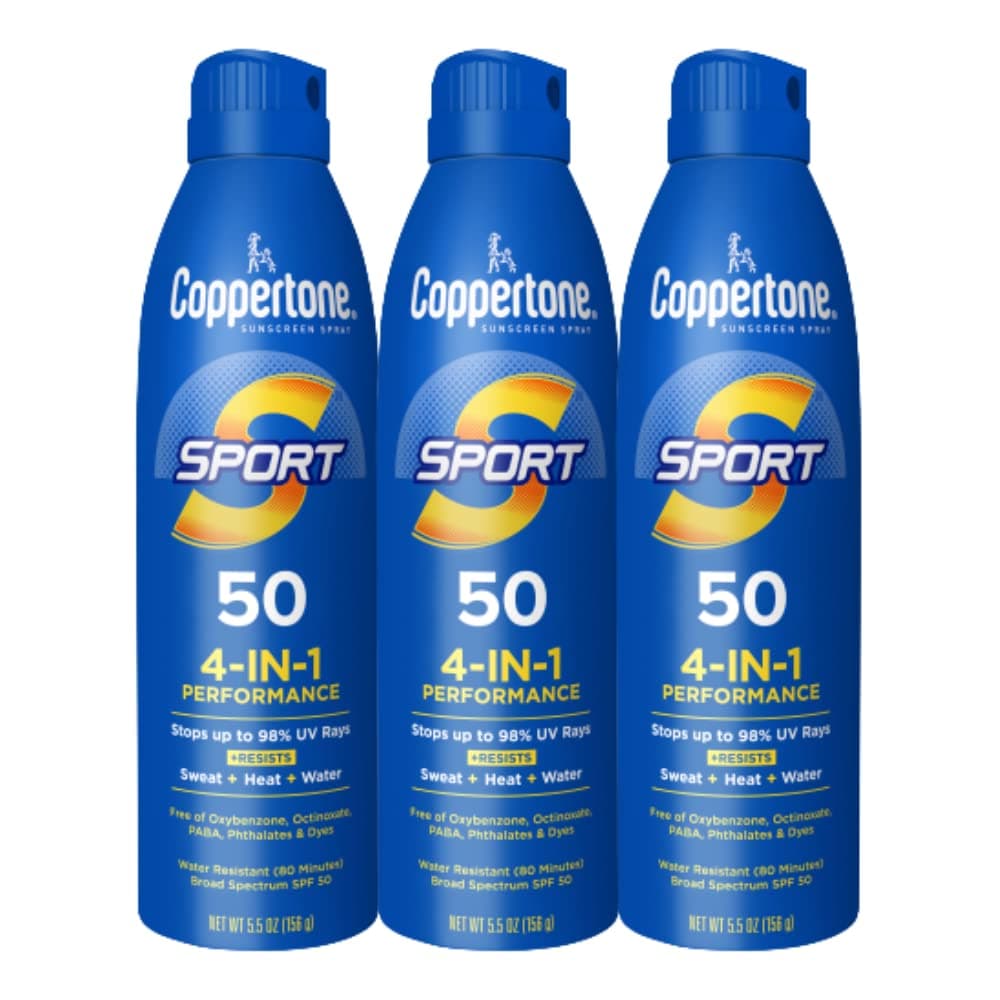
Coppertone
4.7 ★ · 38.7k reviews
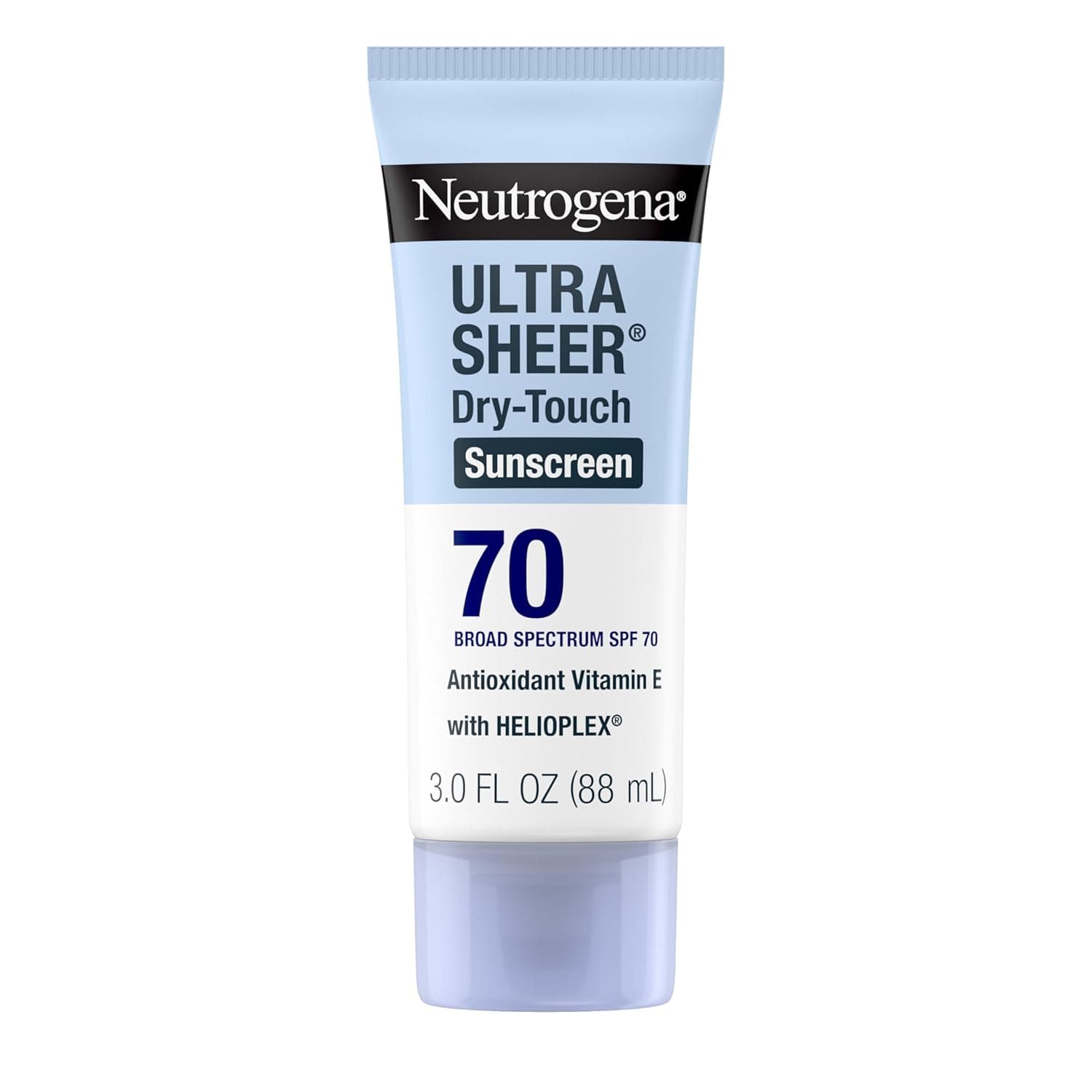
4.6 ★ · 37.4k reviews
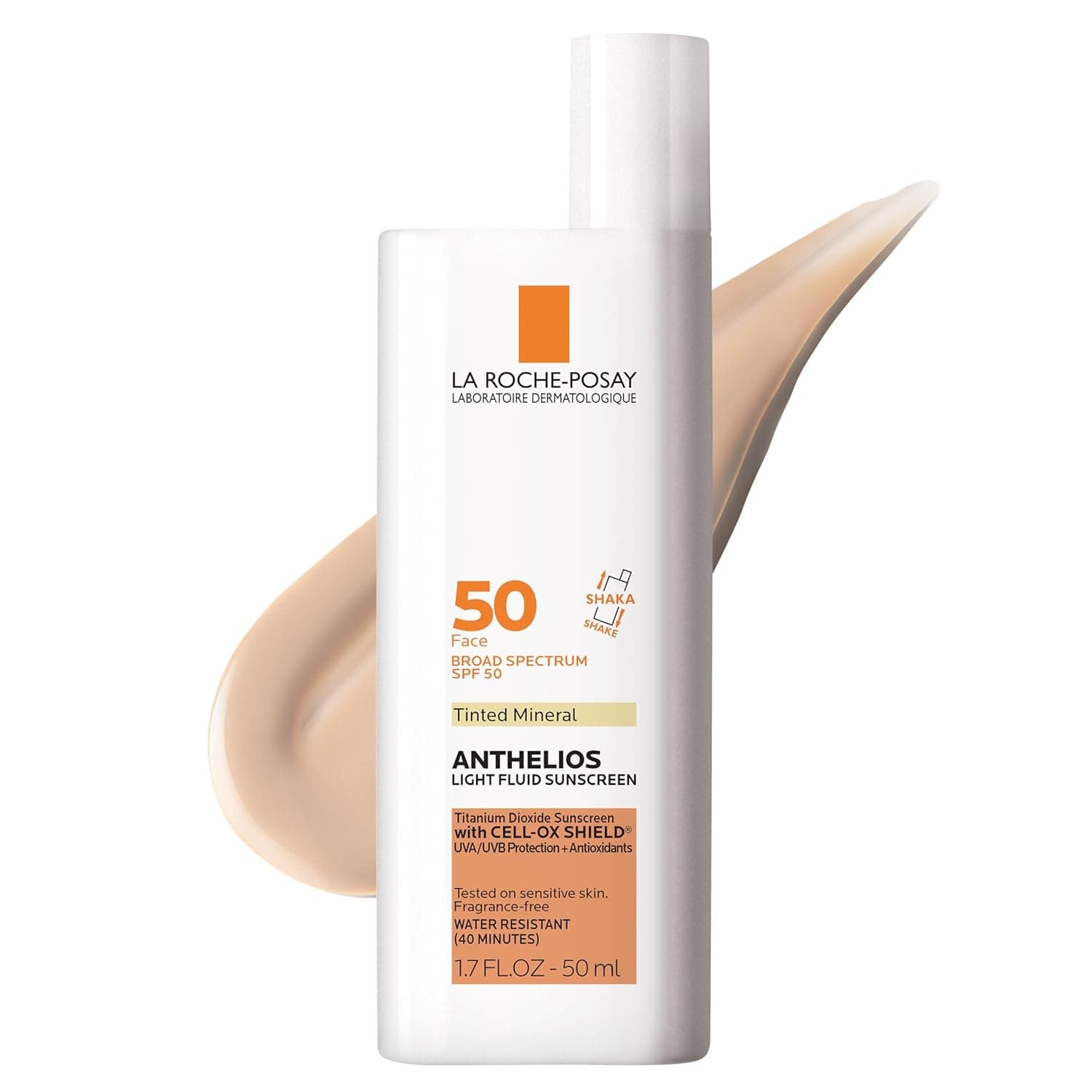
La Roche-Posay
4.5 ★ · 31k reviews
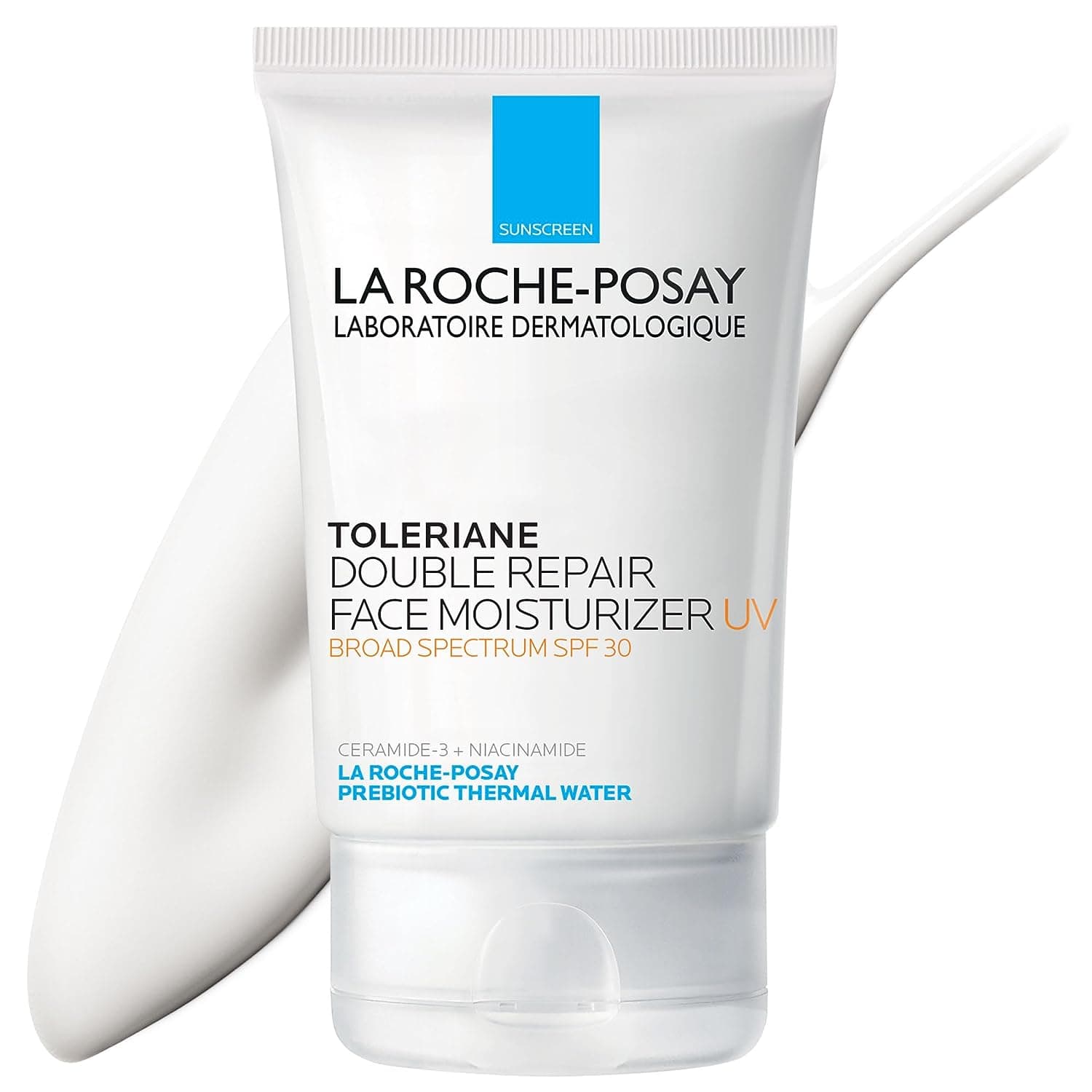
4.6 ★ · 28.2k reviews
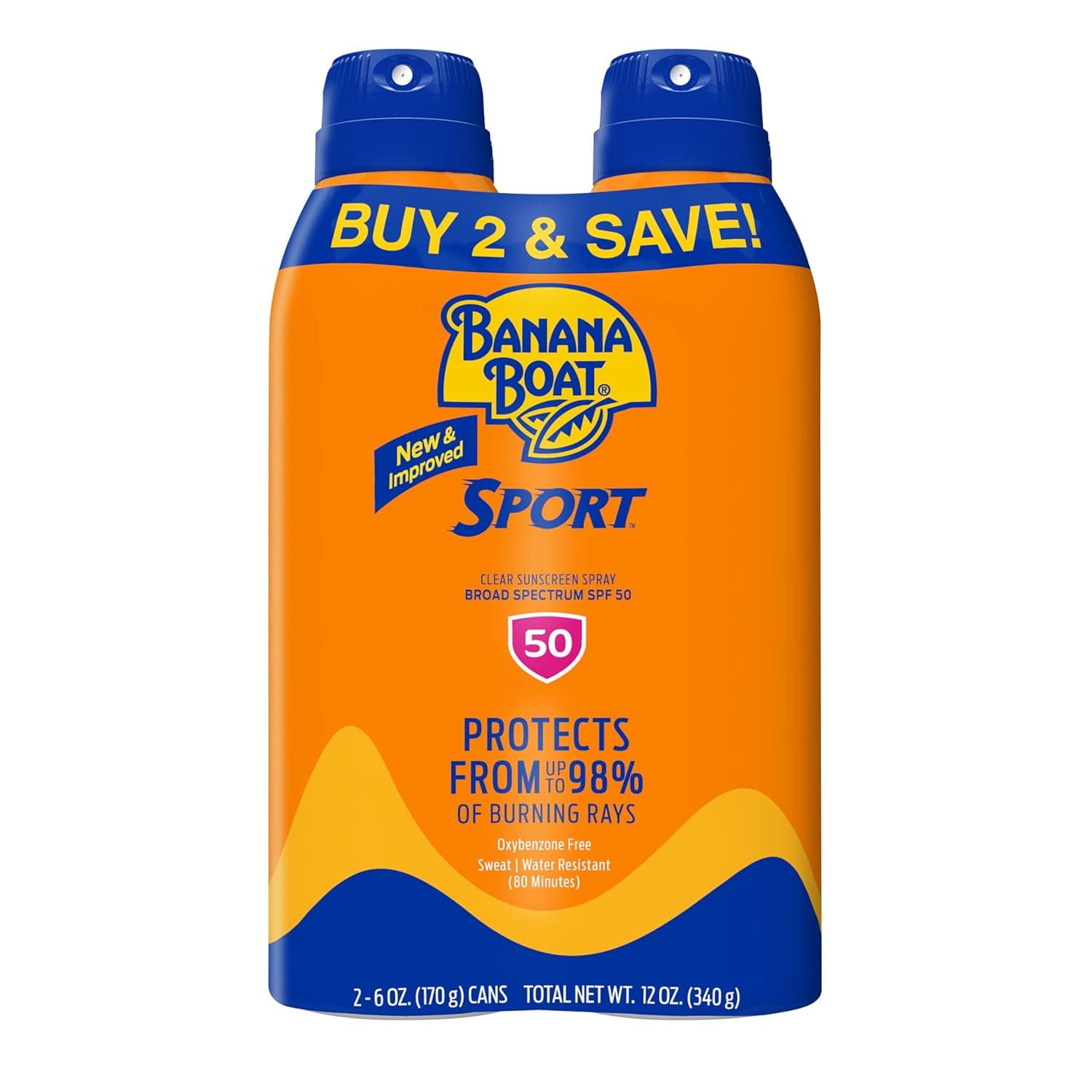
4.8 ★ · 25.5k reviews
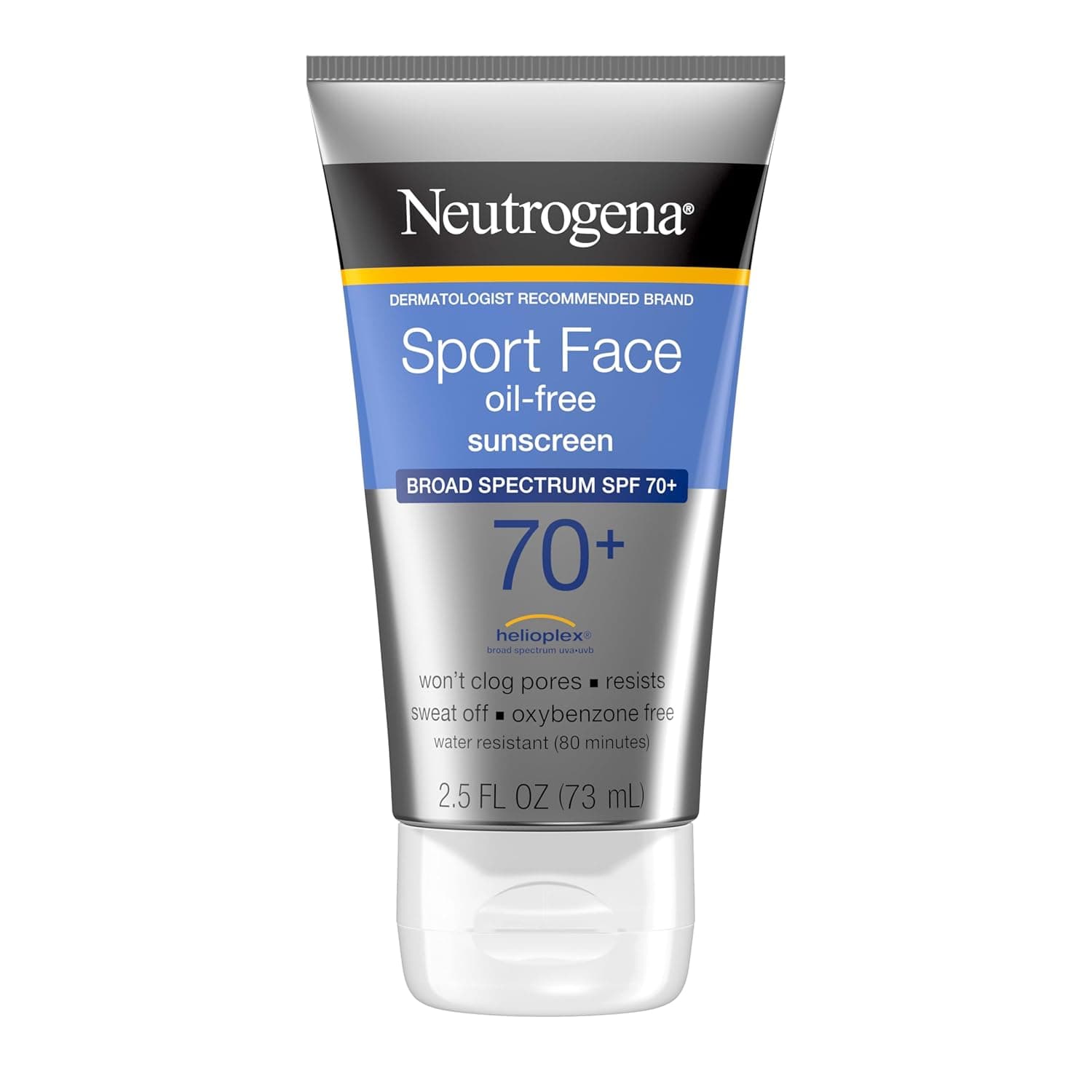
Neutrogena
4.6 ★ · 24.5k reviews
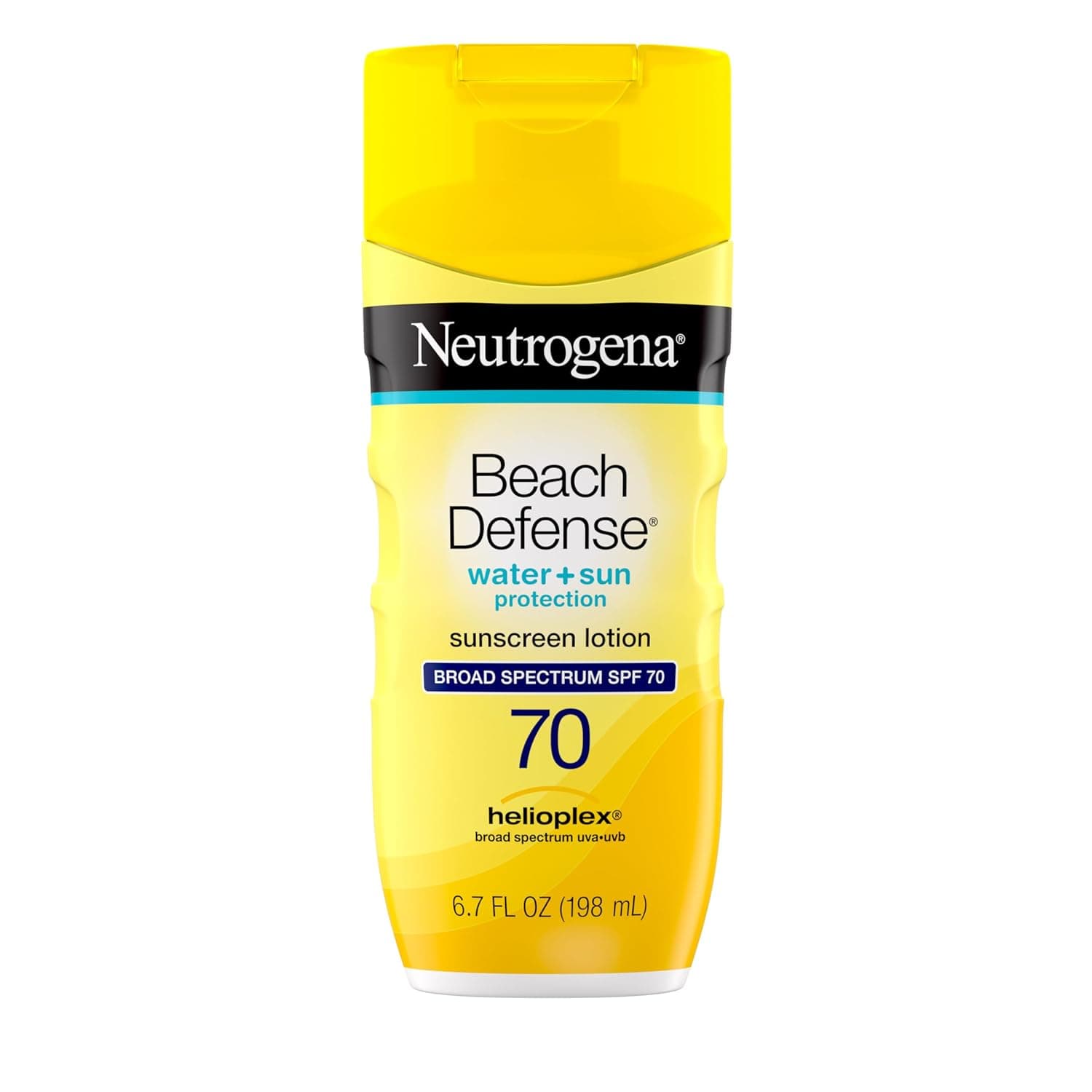
4.7 ★ · 23.2k reviews
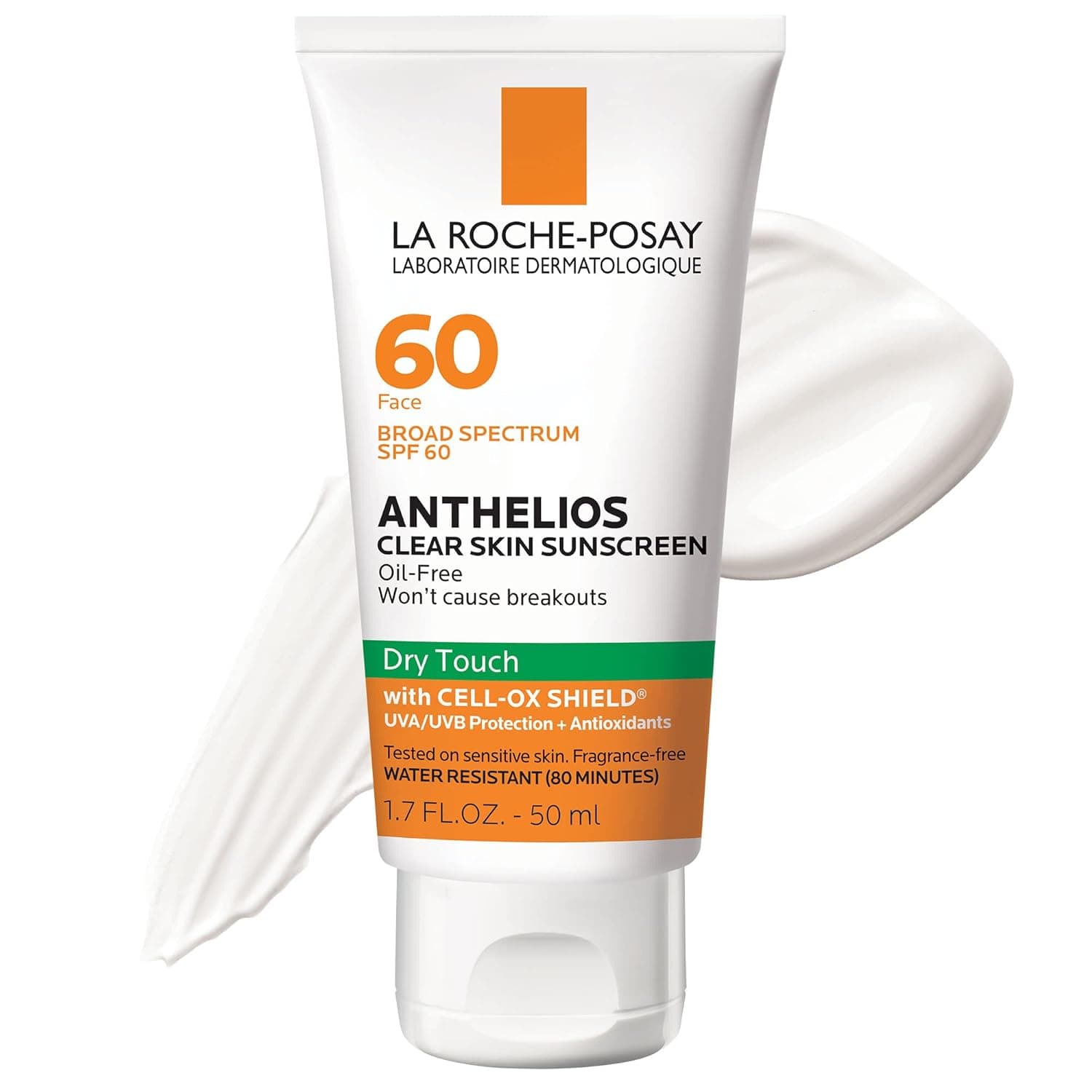
4.4 ★ · 22.7k reviews
Mineral (physical) sunscreens that use only zinc oxide and titanium dioxide — no chemical UV filters. How they differ from chemical sunscreens and how to dodge white cast.
Sunscreens free of oxybenzone and octinoxate — the two UV filters with the strongest evidence of coral harm and the broadest bans, from Hawaii to Palau.