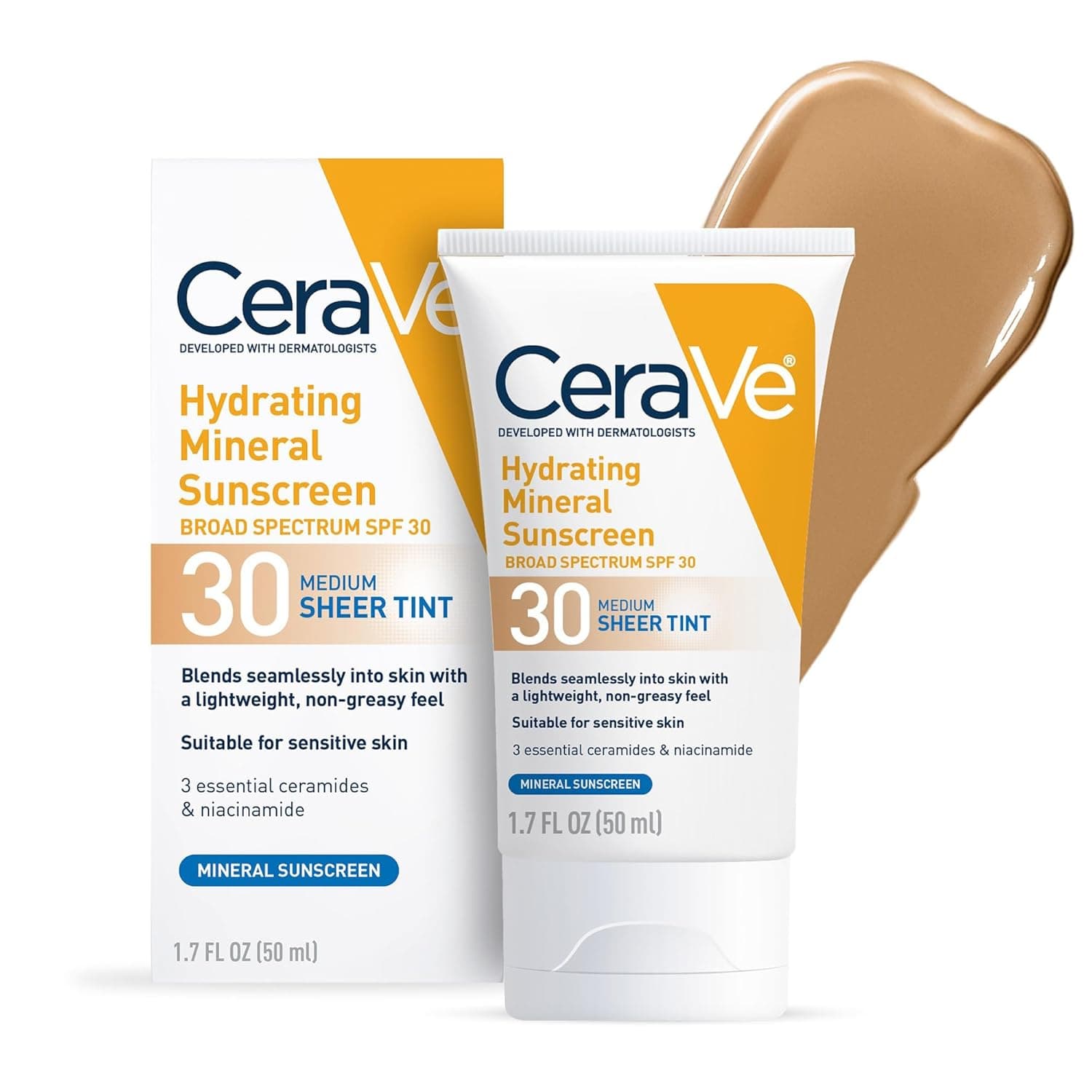
SPF 30
Malassezia: Medium RiskFragrance FreeAlcohol FreeContains MicroplasticsOwnership: Public Parent
$15.99Buy
4.4 ★ · 70.8k reviews
Updated
A mineral sunscreen — "physical sunscreen" is the same thing — protects you with zinc oxide, titanium dioxide, or both. These mineral filters sit on the skin and handle UV at the surface. Chemical sunscreens instead use organic molecules that absorb UV and release it as a small amount of heat. Both approaches work; the reasons to prefer mineral come down to sensitivity, what gets absorbed into your body, and what ends up in the ocean.
"Mineral" and "physical" are interchangeable: both describe sunscreens built on zinc oxide and titanium dioxide. "Chemical sunscreen" means the organic filters — oxybenzone, octinoxate, avobenzone, octocrylene, homosalate. The mineral-versus-chemical split isn't really about chemistry — every ingredient is a chemical — it's about whether the active is a mineral oxide that mostly stays on the skin or an organic molecule that absorbs into it.
These two minerals aren't equivalent. Zinc oxide covers the whole UV range on its own — UVB and all of UVA, including the deep UVA1 wavelengths that drive ageing. Titanium dioxide is strong on UVB and shorter UVA but tapers off in UVA1, so a titanium-only formula can leave a gap there. The most reliable broad-spectrum mineral sunscreens include zinc oxide, often at 10% or higher. If a product lists only titanium dioxide, check that it still claims broad-spectrum protection.
Mineral filters are white, and older formulas left a visible cast — a real problem on medium and deep skin tones. Two things changed that. Micronised and nano-sized particles scatter far less visible light while still blocking UV. And tinted mineral sunscreens use iron oxides to add a skin-matching pigment that cancels the cast — with the bonus that iron oxides also block some visible light, which helps with melasma and hyperpigmentation. If cast has put you off mineral sunscreen before, a tinted formula is worth another try.
The case for mineral is mostly about absorption. Chemical filters are designed to penetrate skin, and the FDA has detected several of them in blood after a single day of normal use. Zinc oxide and titanium dioxide don't meaningfully absorb through intact skin — they stay on the surface and have a long, settled safety record. That's why mineral formulas are the usual recommendation for young children and easily irritated skin. For the lowest-risk profile overall, combine this with the hormone-safe and reef-safe filters.
There isn't one — they're two names for the same thing. Both describe sunscreens whose active ingredients are zinc oxide and/or titanium dioxide. "Mineral" has become the more common term on packaging.
For sensitive skin, absorption concerns, and reef protection, it generally has the edge — mineral filters aren't meaningfully absorbed and don't harm coral. Chemical sunscreens often win on cosmetic feel: lighter texture, no white cast. The best sunscreen is the one you'll actually reapply, so feel matters more than people admit.
Older formulas did, especially on deeper skin tones. Modern micronised and nano formulas have largely fixed it, and tinted mineral sunscreens with iron oxides remove the cast entirely while adding visible-light protection. If white cast is your concern, look specifically for a tinted formula.
Pediatric dermatologists generally favour mineral sunscreen for children because zinc oxide isn't absorbed through the skin barrier. For babies under six months, most guidance is to rely on shade and clothing rather than sunscreen at all.
Same rule as any sunscreen: every two hours of sun exposure, and after swimming or heavy sweating. Mineral filters don't break down in light the way some chemical filters can, but they still rub and wash off, so reapplication isn't optional.
31 sunscreens pass this filter
Combine with other filters on the full browse page.
4.4 ★ · 70.8k reviews
4.0 ★ · 9.4k reviews
4.7 ★ · 8.3k reviews
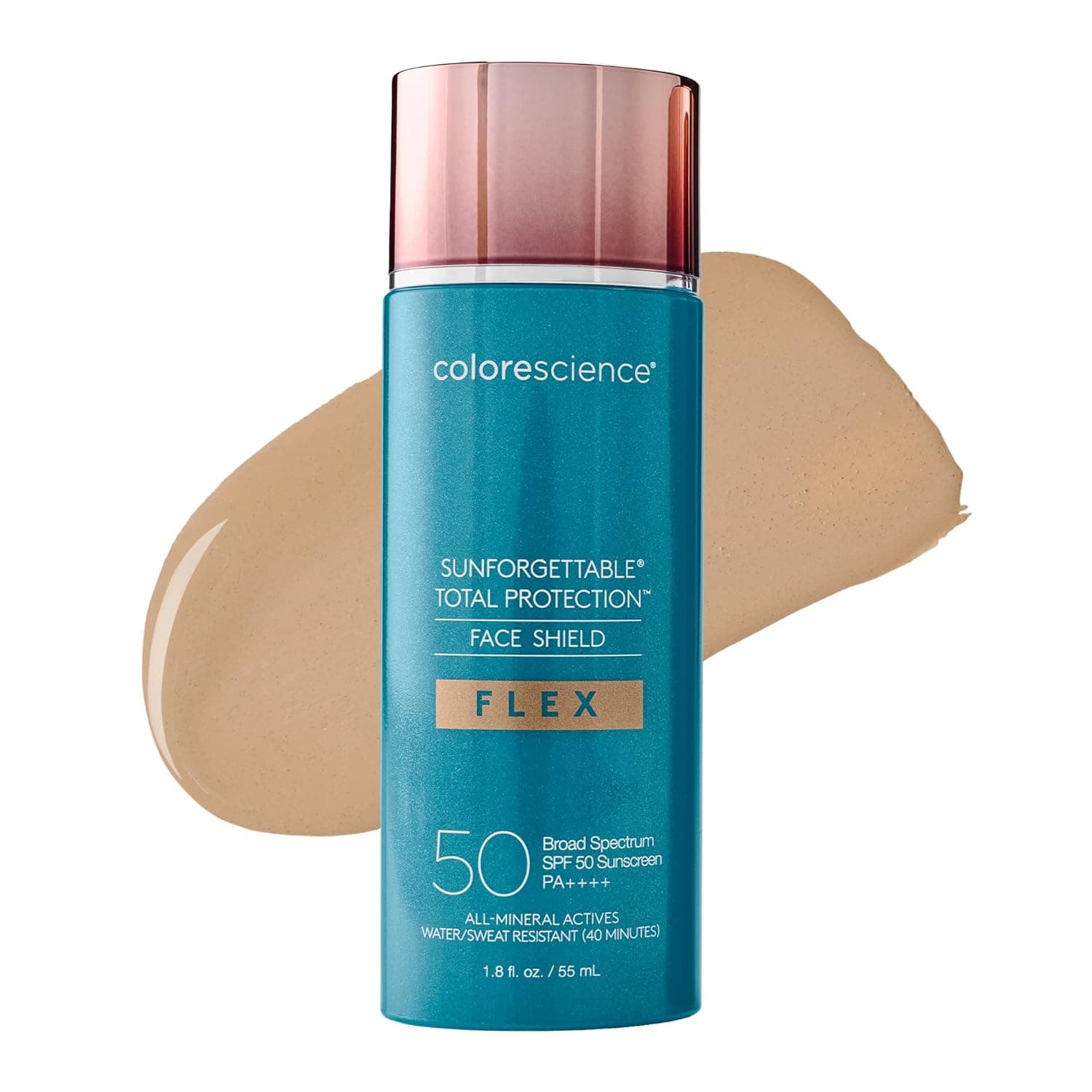
4.5 ★ · 8.1k reviews
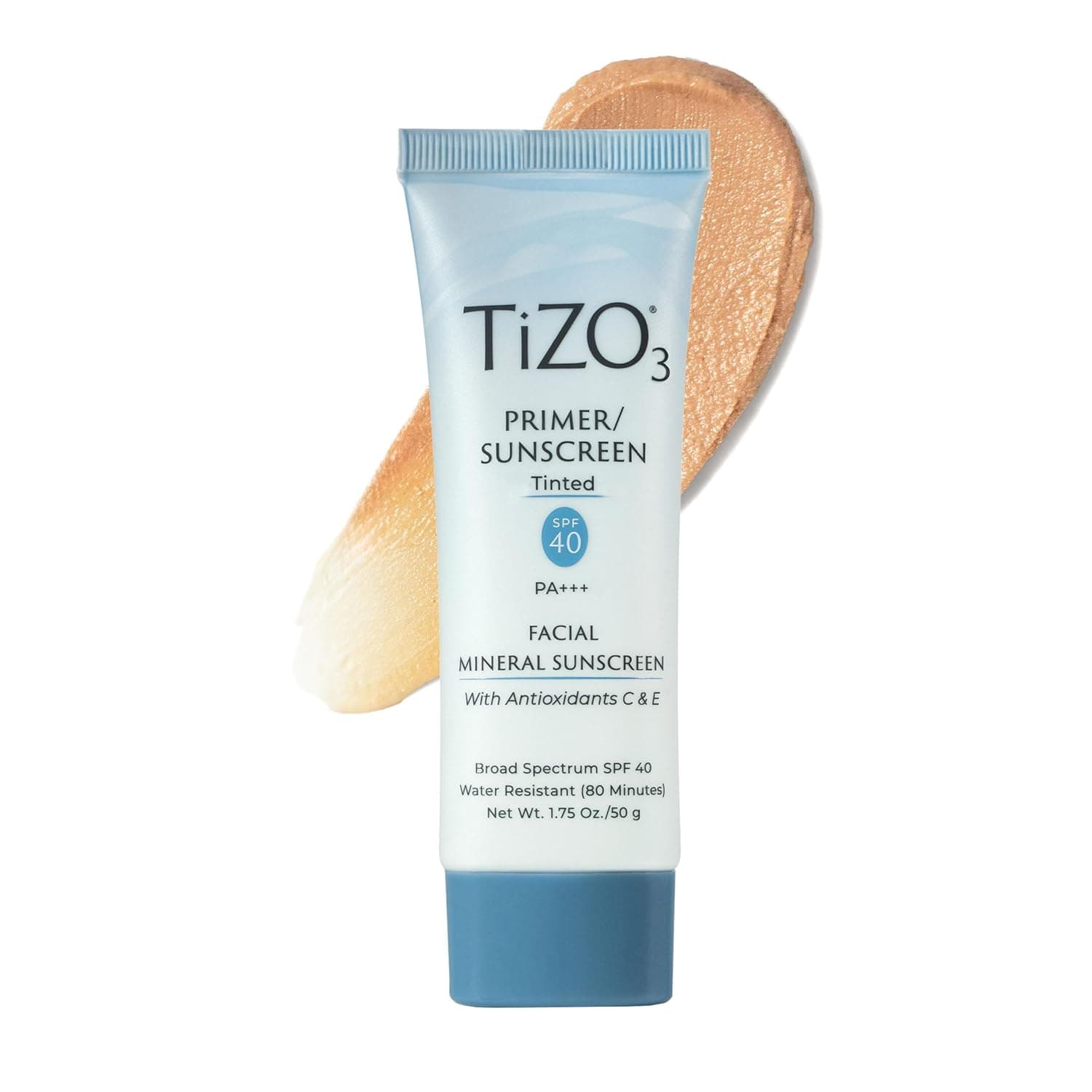
4.7 ★ · 7.6k reviews
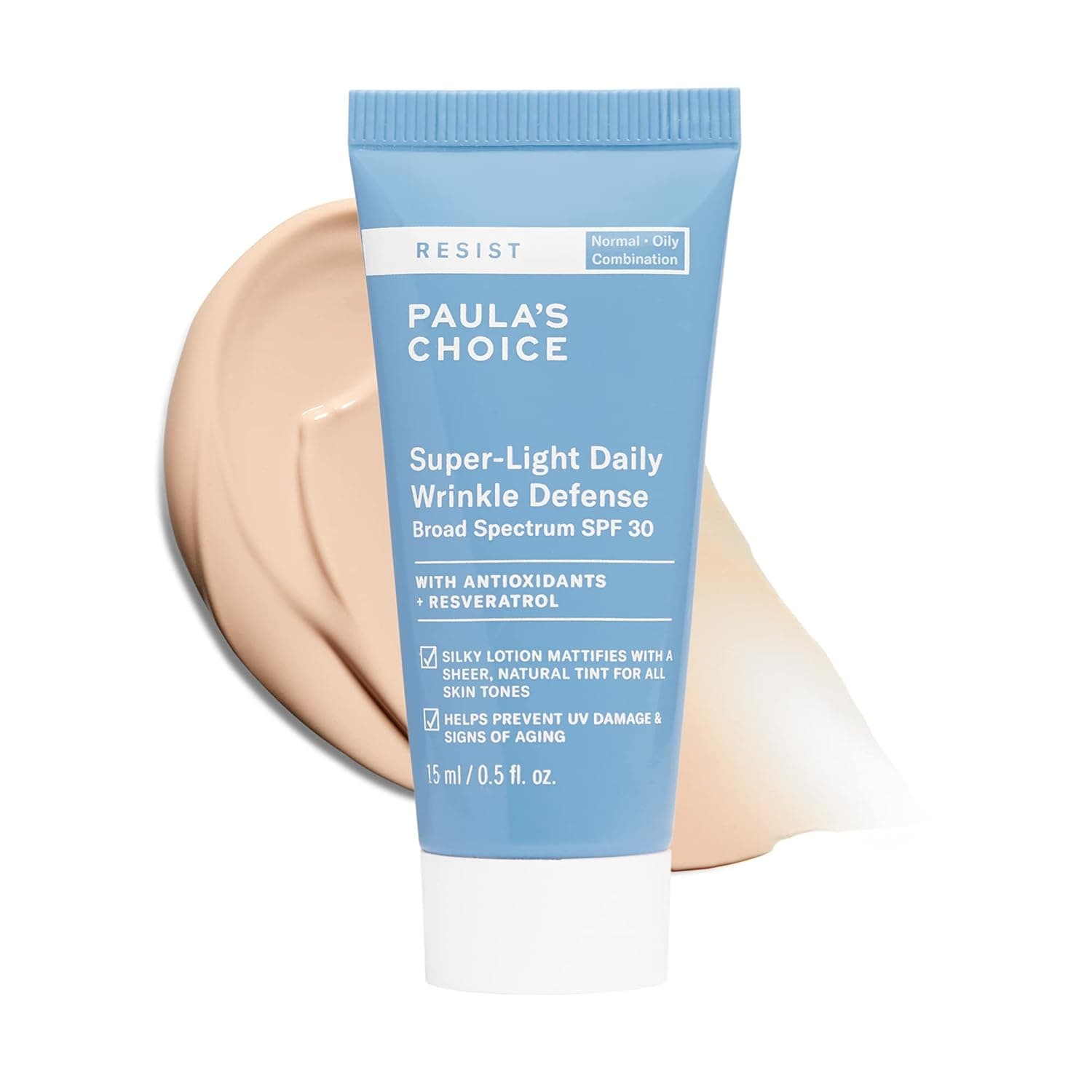
4.3 ★ · 6.5k reviews
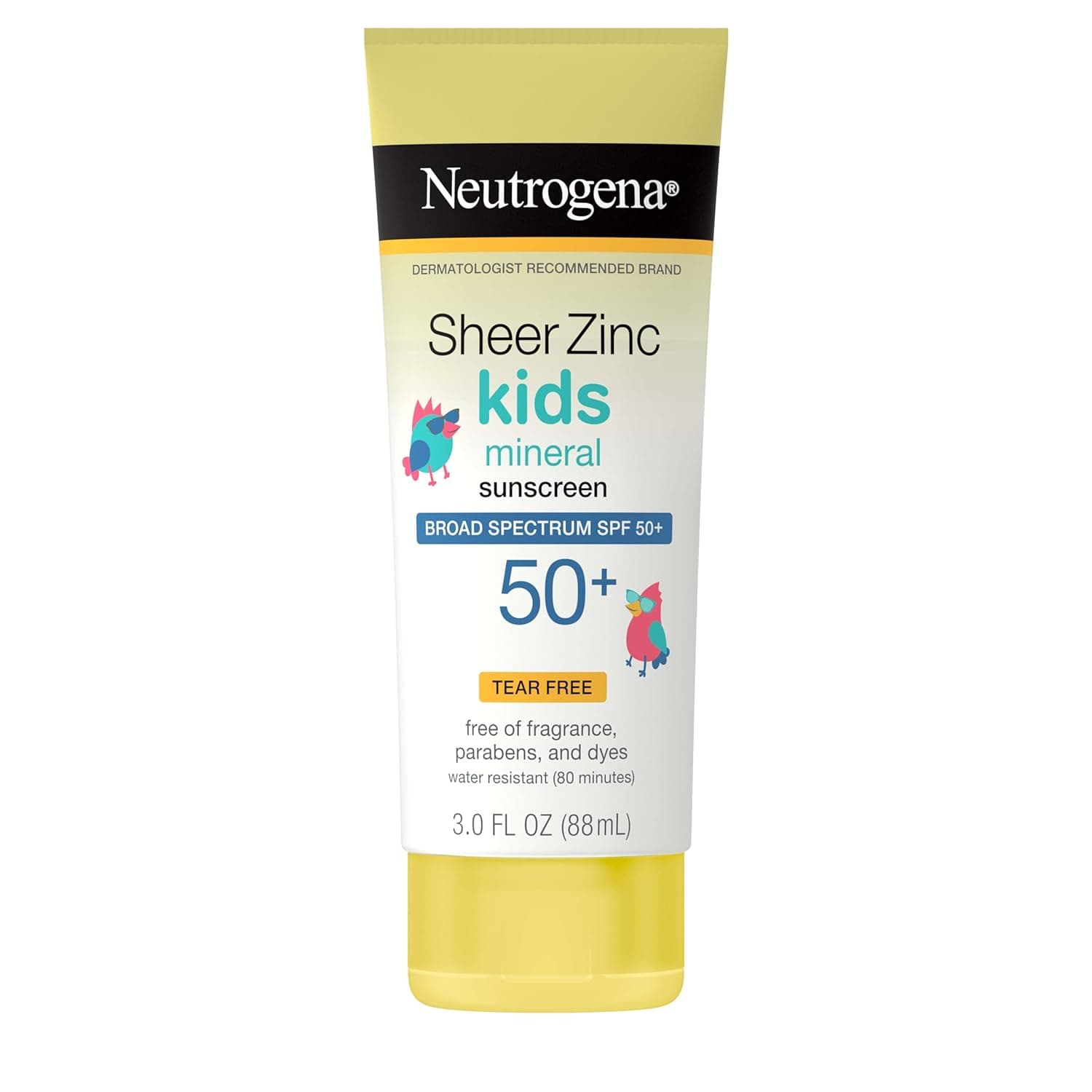
4.6 ★ · 5.1k reviews
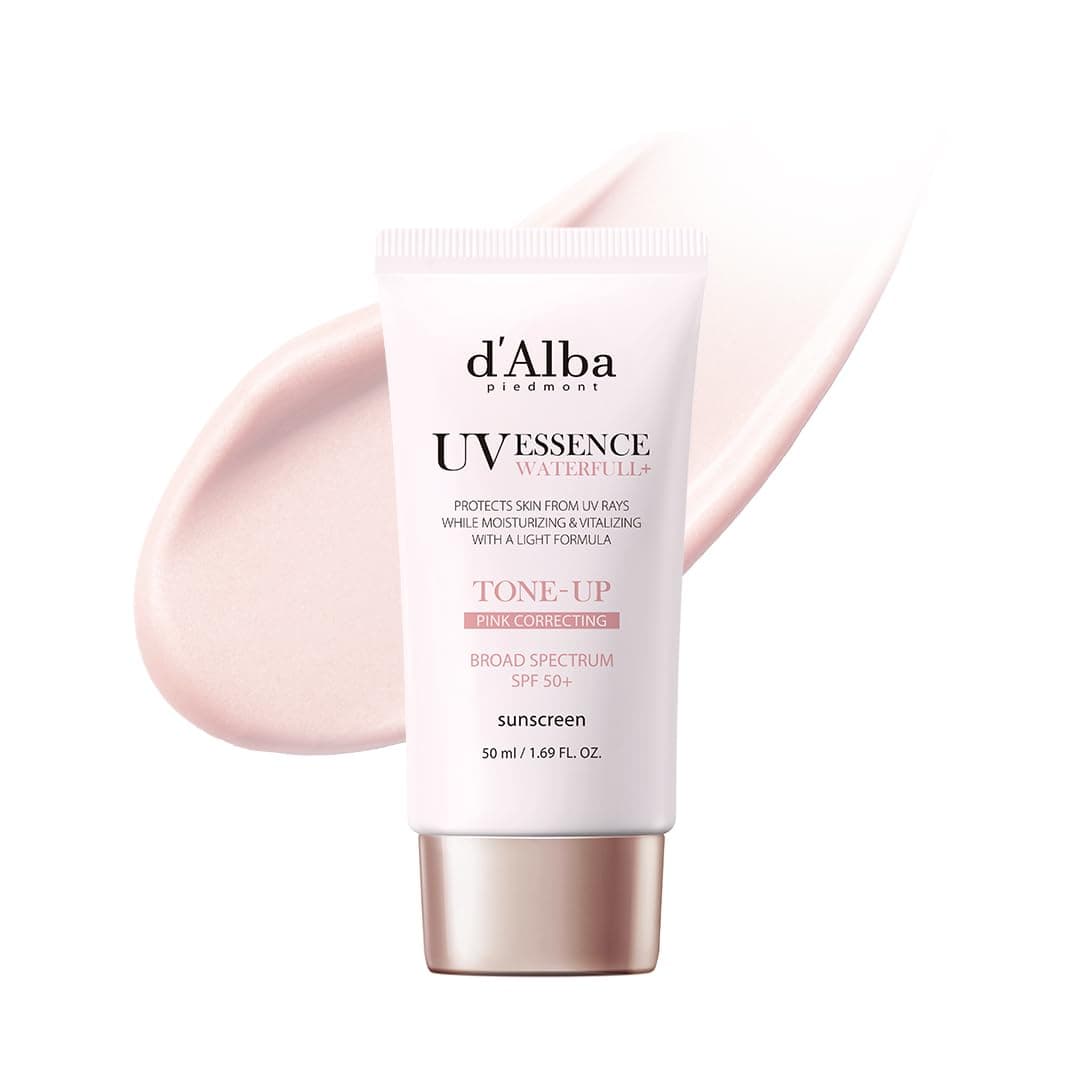
d'alba Piedmont
4.4 ★ · 4.5k reviews
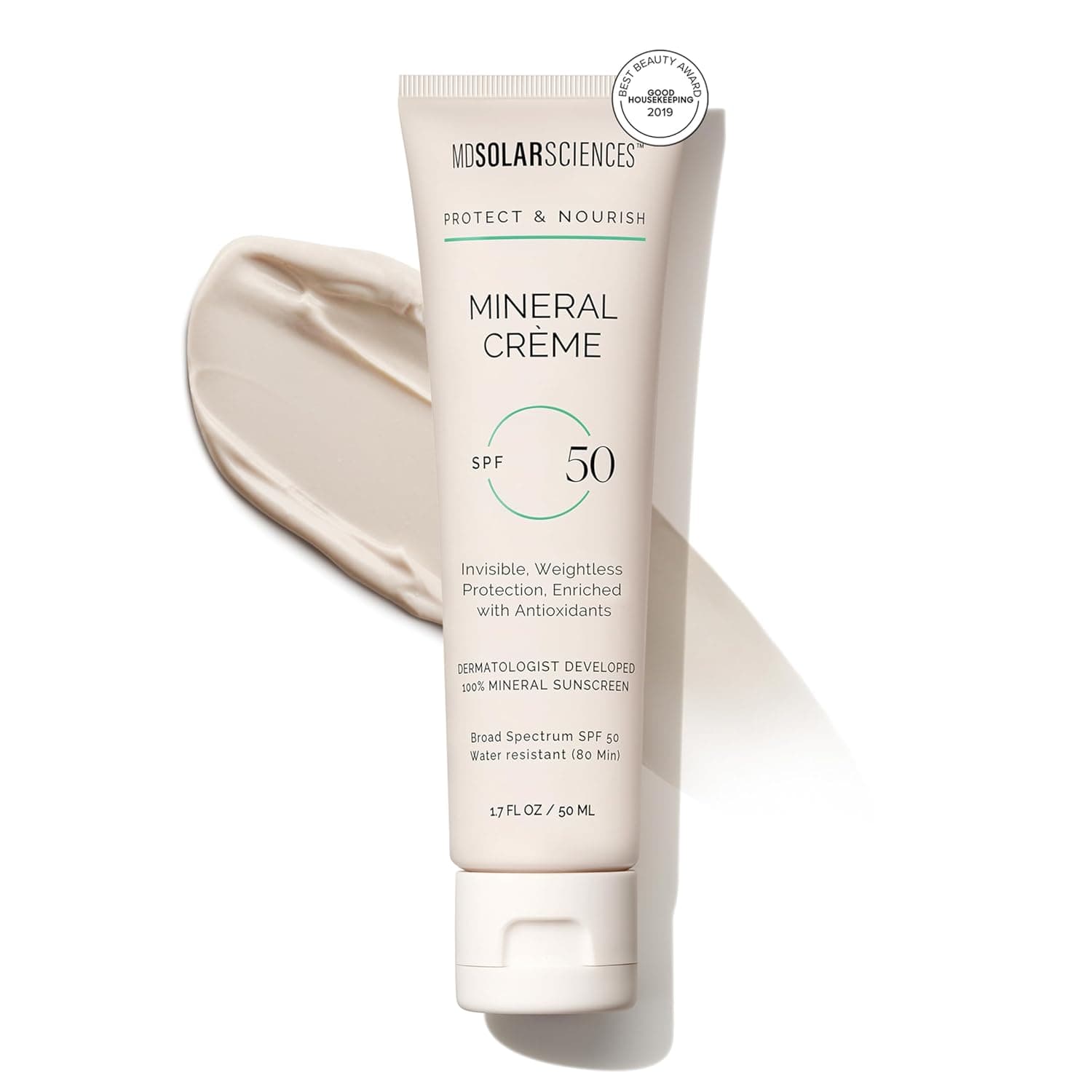
MDSolarSciences
4.4 ★ · 2.3k reviews
Sunscreens free of oxybenzone and octinoxate — the two UV filters with the strongest evidence of coral harm and the broadest bans, from Hawaii to Palau.
Sunscreens free of the chemical UV filters with confirmed endocrine-disruptor evidence — oxybenzone and octinoxate — and why skin absorption is the heart of the issue.
Water-resistant sunscreens tested to hold their SPF for 40 or 80 minutes in water. What the ratings mean, when to reapply, and why no sunscreen is waterproof.