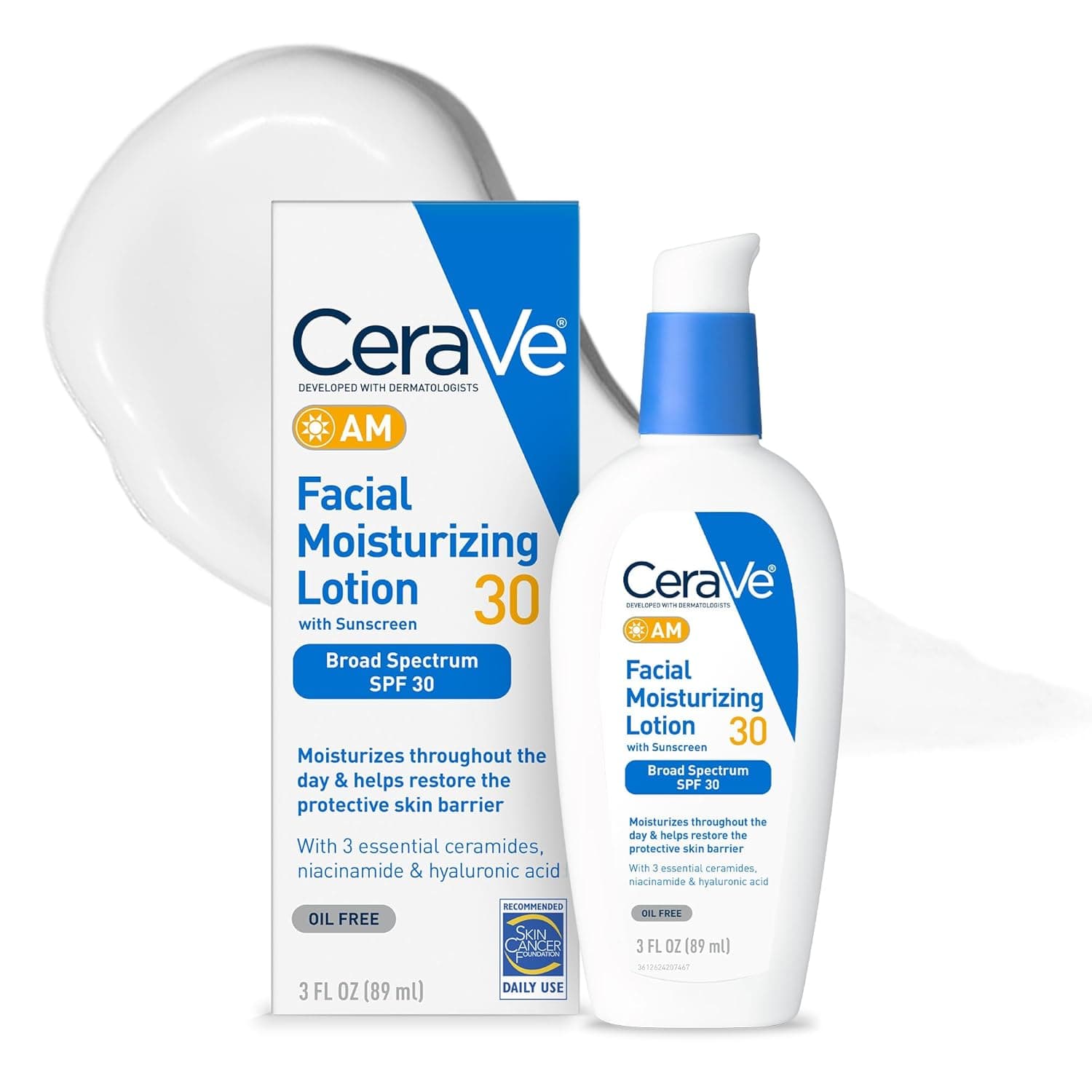
SPF 30
Malassezia: Medium RiskFragrance FreeAlcohol FreeContains OctinoxateEndocrine DisruptorsOwnership: Public Parent
$19.99Buy
4.5 ★ · 97.1k reviews
Updated
Formaldehyde-releasing preservatives don't list formaldehyde on the label, which is part of why they're easy to miss. They're stable compounds that slowly give off small amounts of formaldehyde over a product's life to keep it free of bacteria and mould. The preservation works, but formaldehyde is a known contact allergen and a recognised carcinogen at occupational exposure levels — so for anyone sensitive to it, even the trace amounts in cosmetics can be enough to react.
A handful turn up repeatedly in sunscreens and lotions: DMDM hydantoin, quaternium-15 (the most potent of the group), imidazolidinyl urea, diazolidinyl urea, and bronopol. None of them contain free formaldehyde in the bottle — they release it gradually through hydrolysis once the product is in use. That slow release is both how they preserve a formula and why they sensitise skin: it's a small, continuous exposure rather than a one-off.
Regulators have been steadily tightening. The EU restricted quaternium-15 in 2023, and its safety committee has called for stricter limits on the rest of the group. The US FDA has proposed rules requiring formaldehyde-releaser disclosure on cosmetic labels, and several states are moving ahead with their own measures. The direction of travel is clear enough that many brands have already reformulated away from these preservatives ahead of being forced to.
Formaldehyde-free preservation usually relies on combinations of phenoxyethanol, ethylhexylglycerin, benzyl alcohol, and organic acids like sodium benzoate. These are generally well tolerated, though phenoxyethanol has its own debate at higher concentrations — no preservative system is entirely without trade-offs. One honest consequence: a formaldehyde-free formula sometimes carries a slightly shorter shelf life, so it's worth using it within its period-after-opening window.
Preservatives that slowly release small amounts of formaldehyde over a product's life to stop microbial growth. The common ones in sunscreens are DMDM hydantoin, quaternium-15, diazolidinyl urea, imidazolidinyl urea, and bronopol.
They're effective, inexpensive, broad-spectrum preservatives with decades of formulation history — they keep a product stable and microbe-free at low concentrations. The downside is their allergenicity and the formaldehyde-release concern.
Not across the board. The EU restricted quaternium-15 in 2023 and has tightened limits on others; the US FDA has proposed disclosure rules but no full ban, and several states are acting independently. Many brands have reformulated voluntarily.
Generally yes. Systems built on phenoxyethanol, ethylhexylglycerin, and organic acids avoid the formaldehyde-release issue. None are flawless, and a formaldehyde-free formula may have a slightly shorter shelf life — so use it within its period-after-opening date.
135 sunscreens pass this filter
Combine with other filters on the full browse page.
4.5 ★ · 97.1k reviews
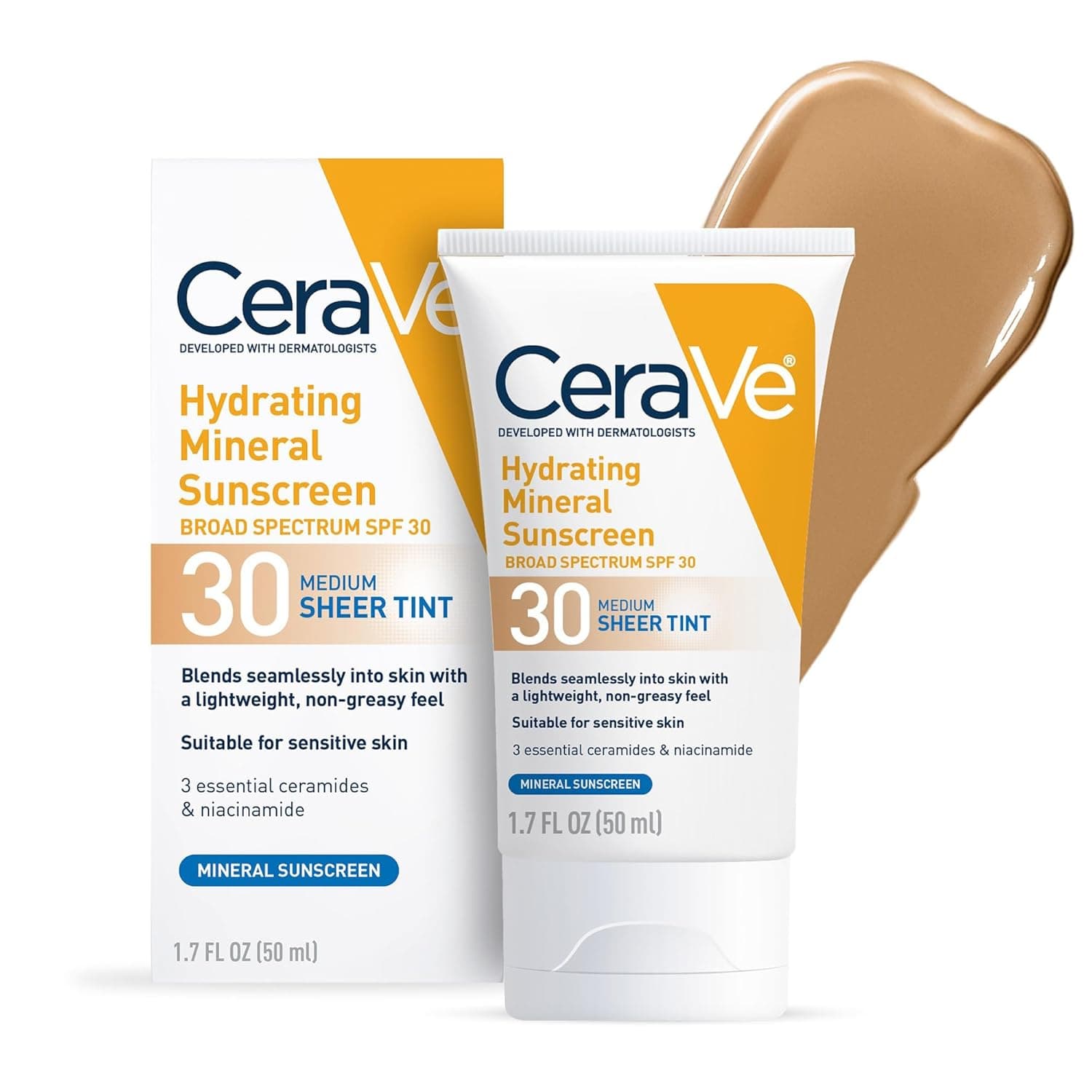
4.4 ★ · 70.8k reviews
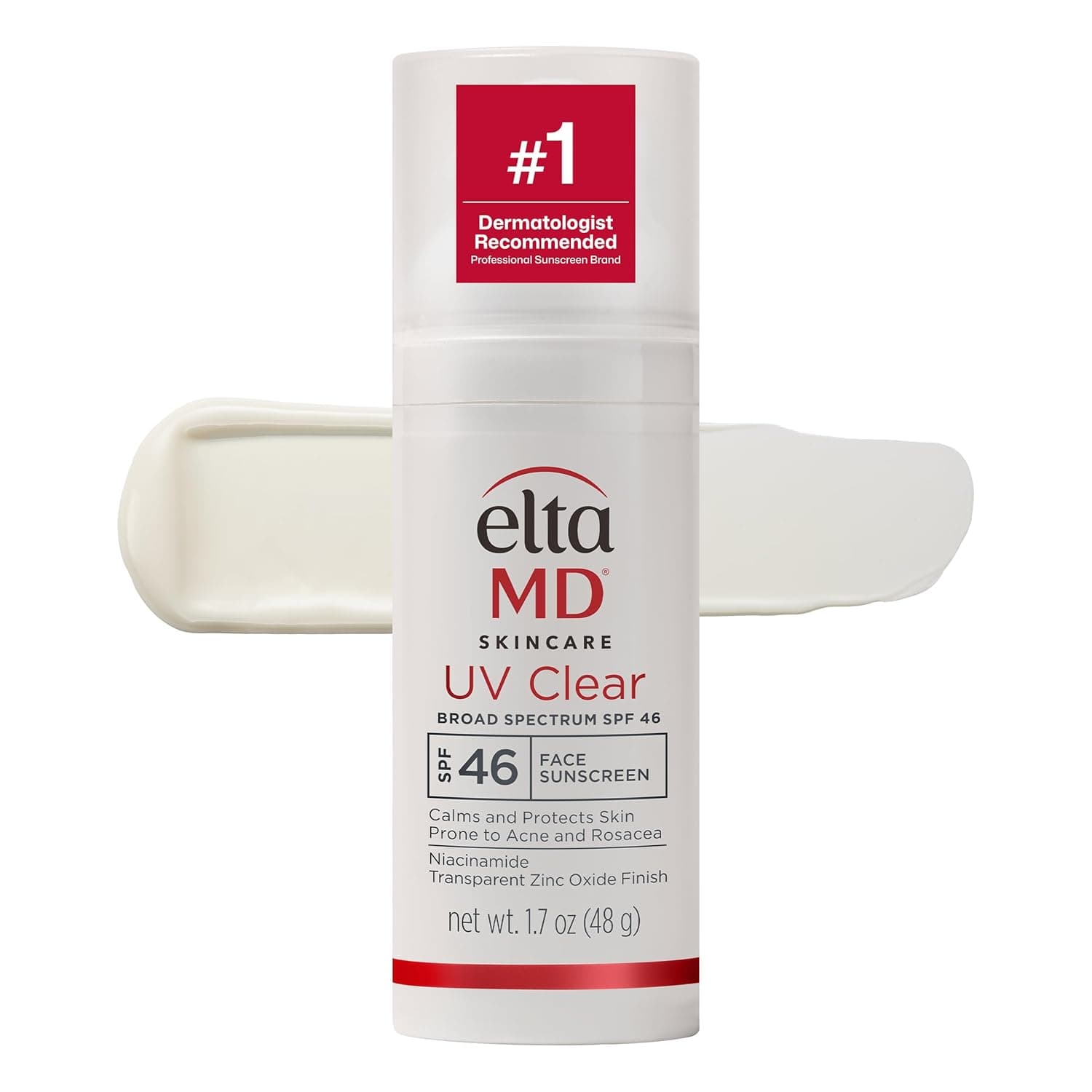
4.6 ★ · 47.5k reviews
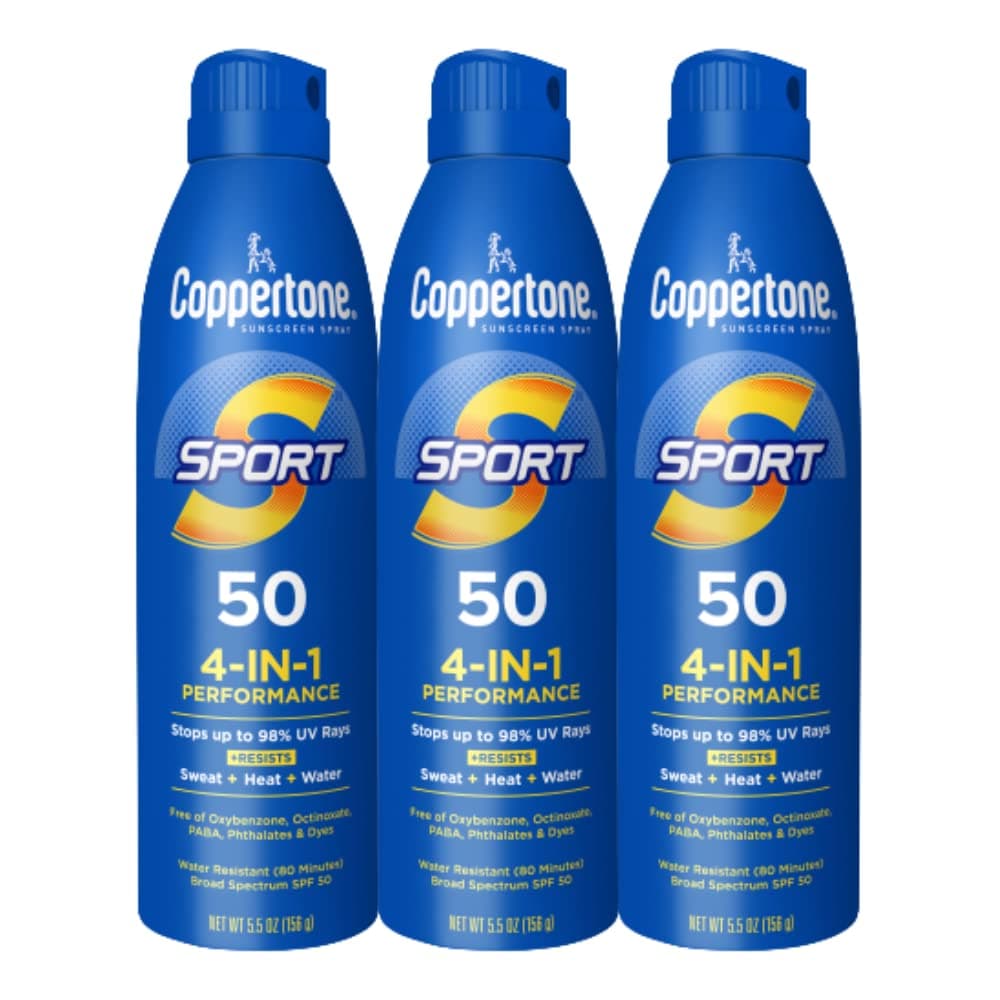
Coppertone
4.7 ★ · 38.7k reviews
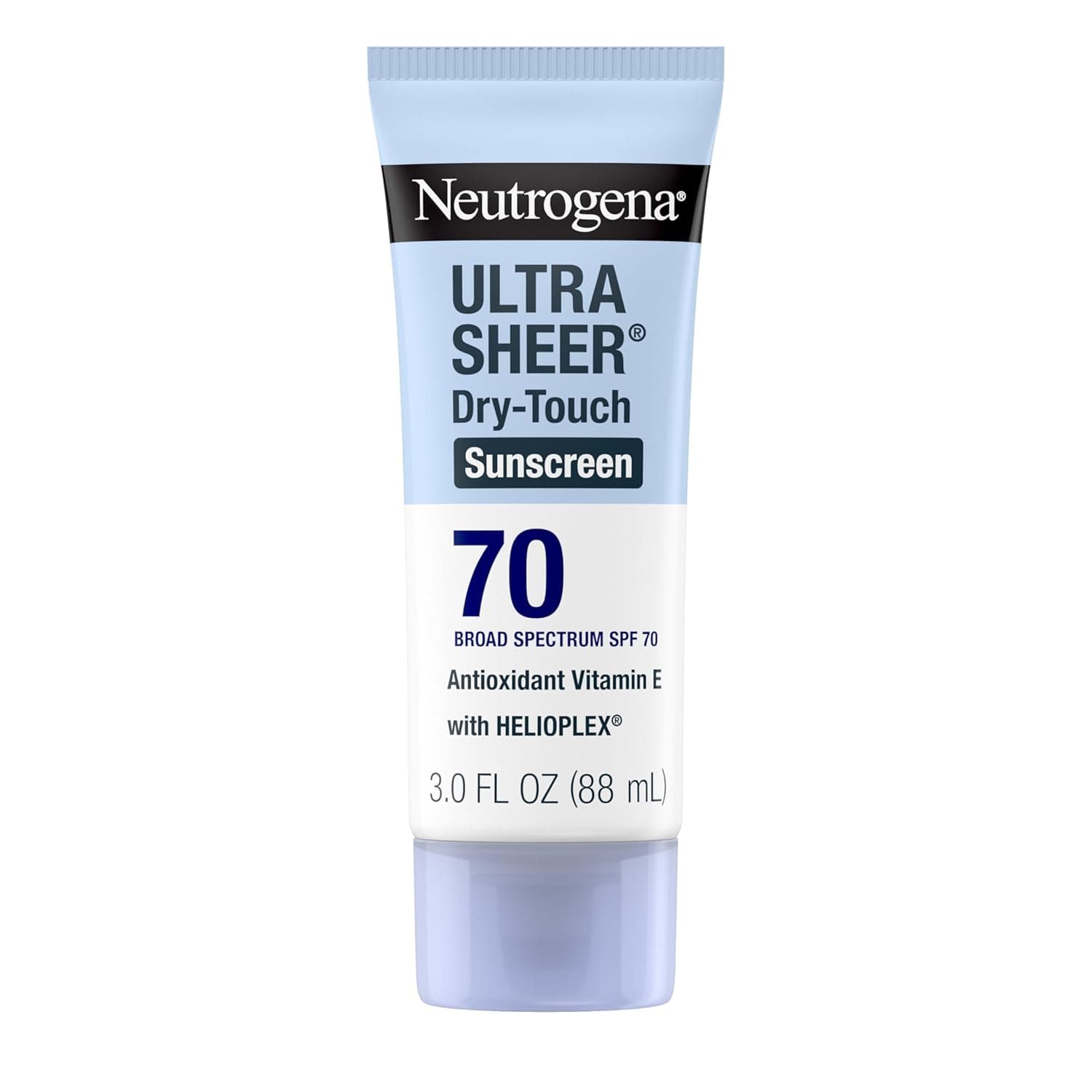
4.6 ★ · 37.4k reviews
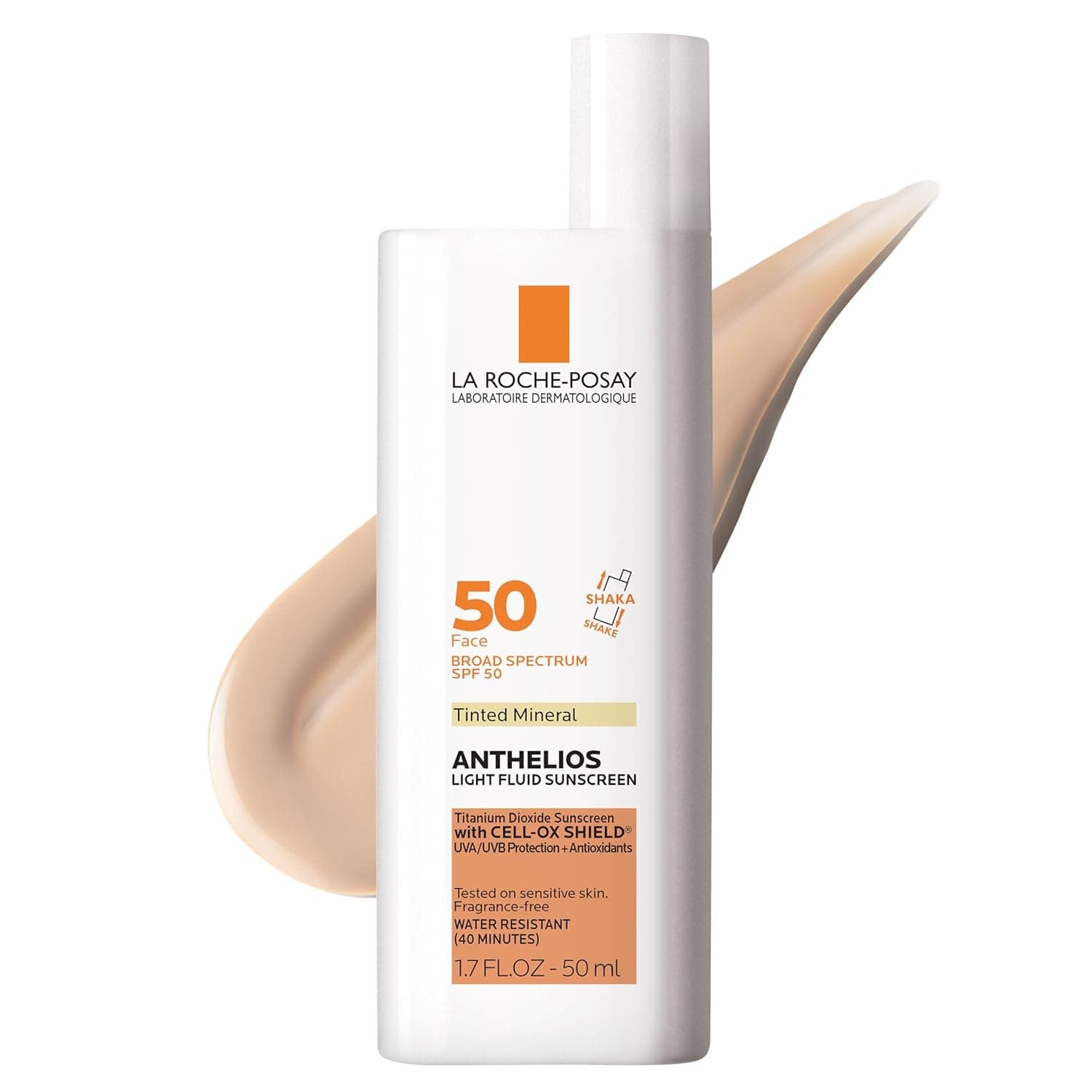
La Roche-Posay
4.5 ★ · 31k reviews
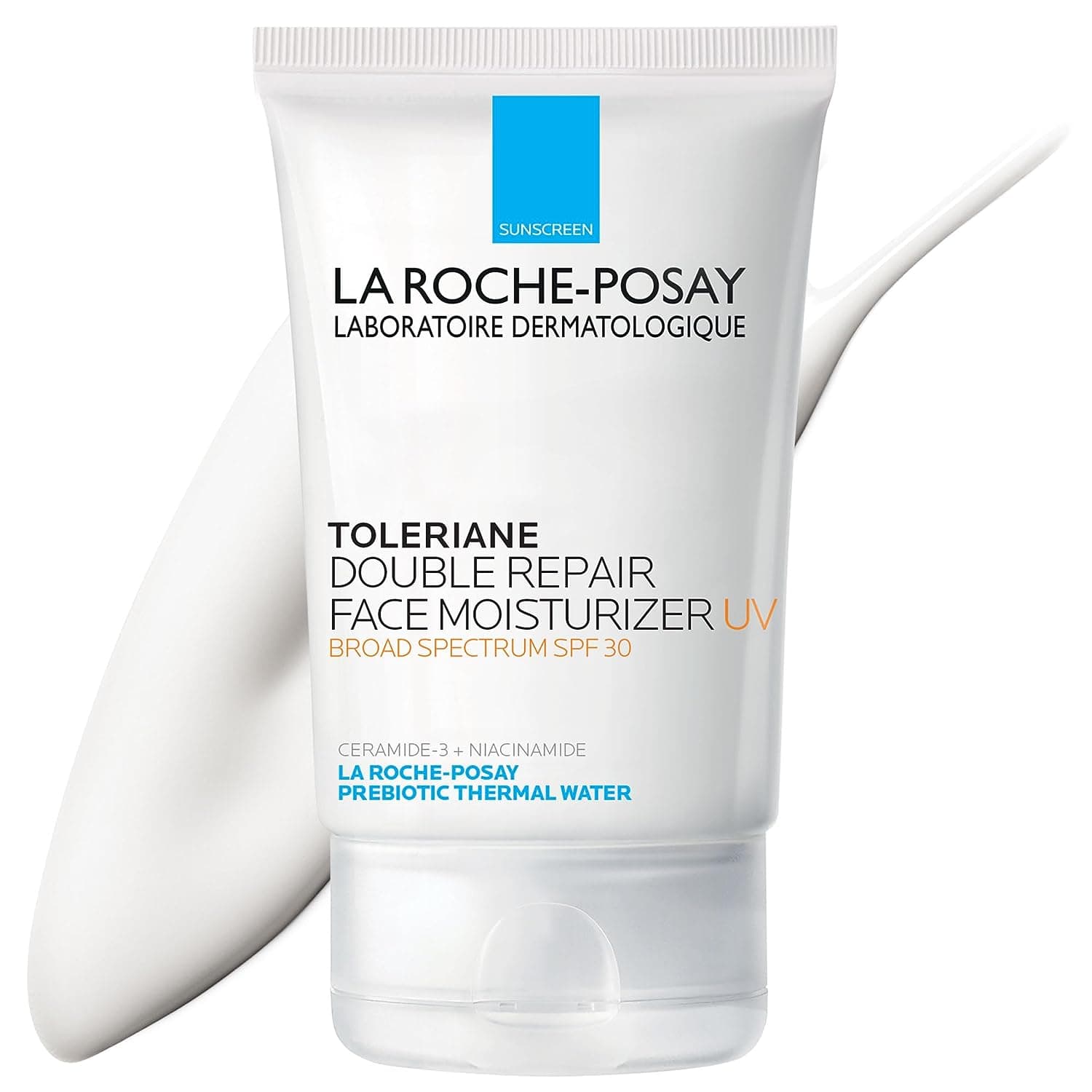
4.6 ★ · 28.2k reviews
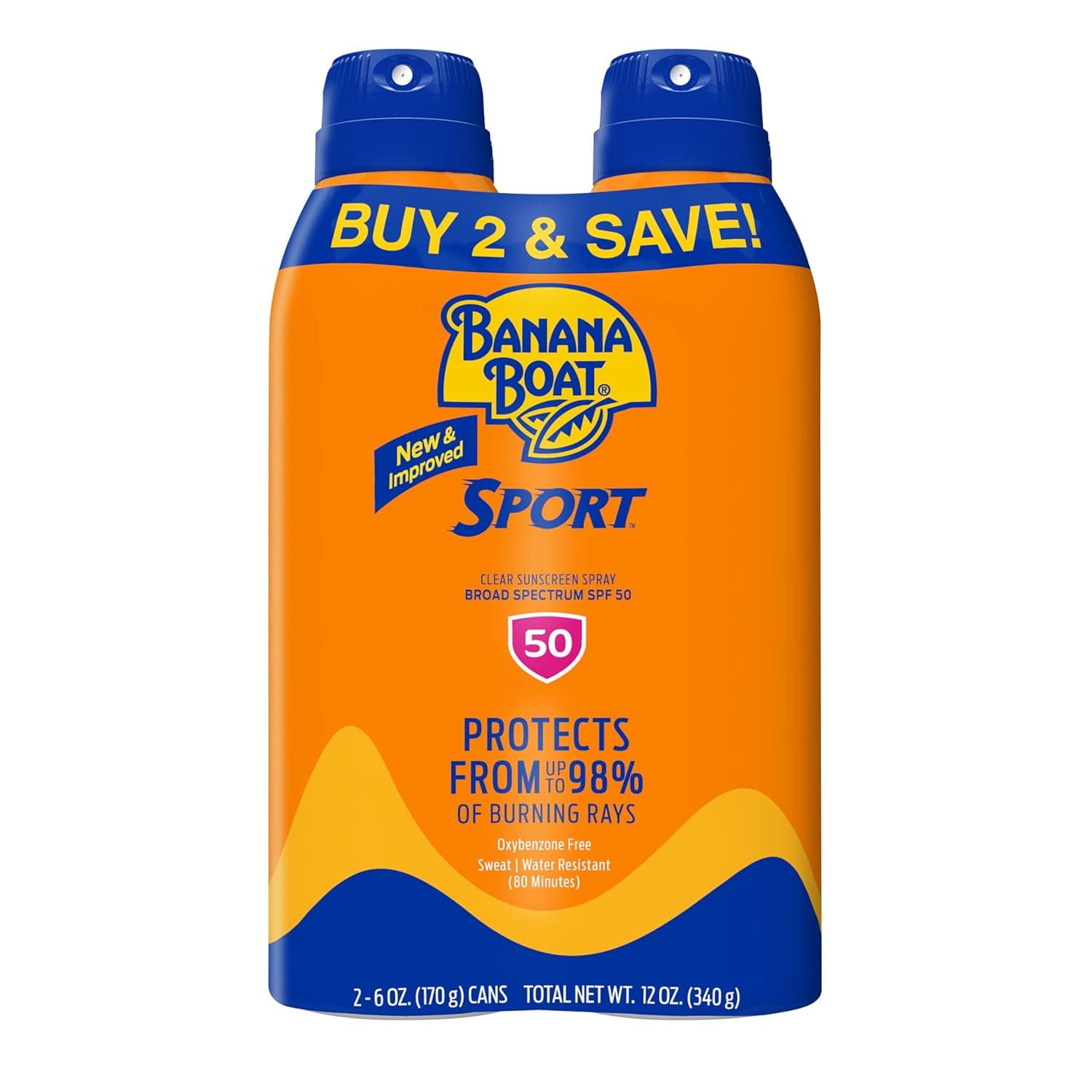
4.8 ★ · 25.5k reviews
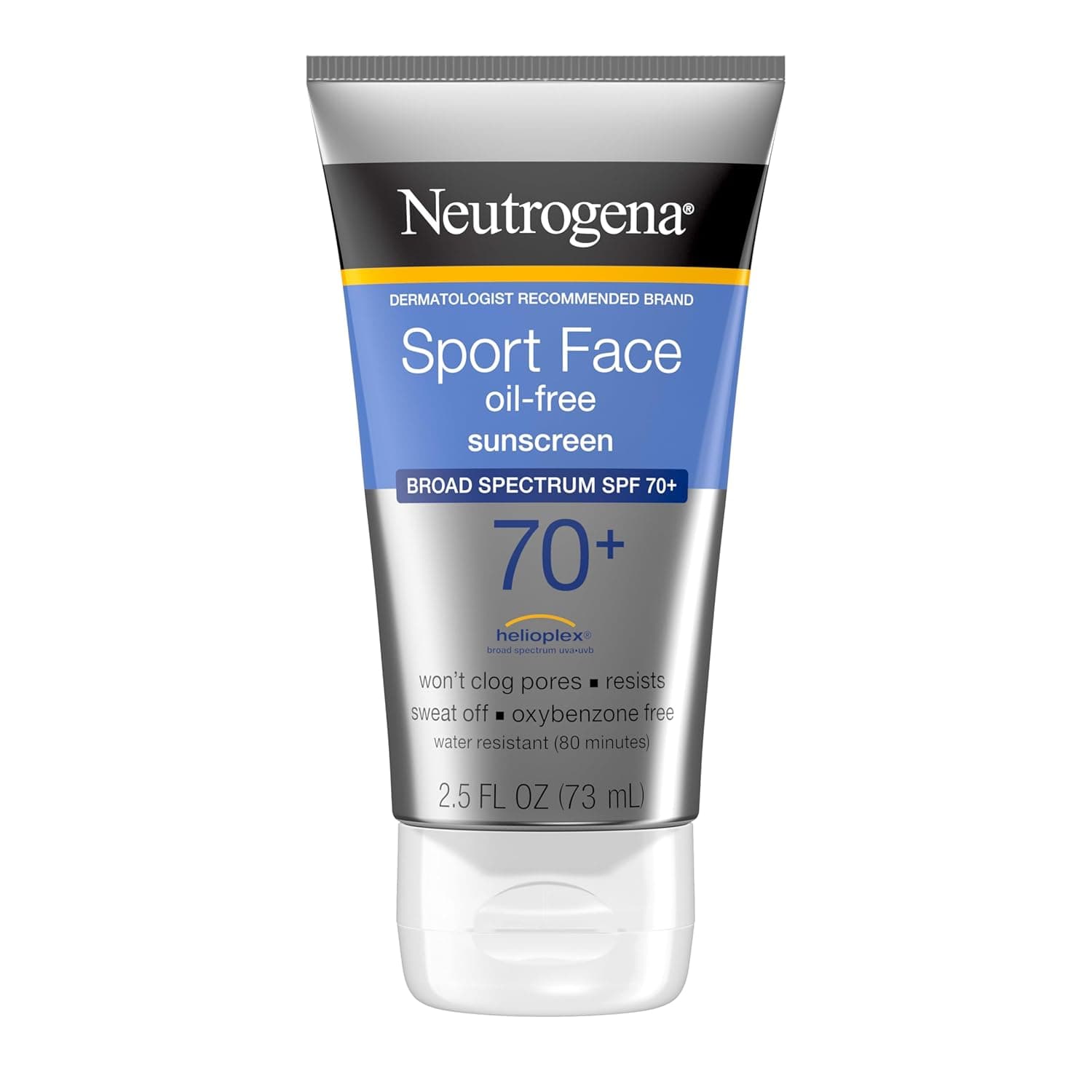
Neutrogena
4.6 ★ · 24.5k reviews
Sunscreens with no synthetic azo or coal-tar dyes. Why these colorants are purely cosmetic, and why mineral iron-oxide tints are a different thing entirely.
Genuinely fragrance-free sunscreens. We screen for parfum and fragrance, plus the individual fragrance allergens the EU requires by name — including the ones hiding in essential oils.
Sunscreens without drying alcohols like ethanol, alcohol denat, and isopropyl alcohol — and why the fatty alcohols on the same label are not the problem.