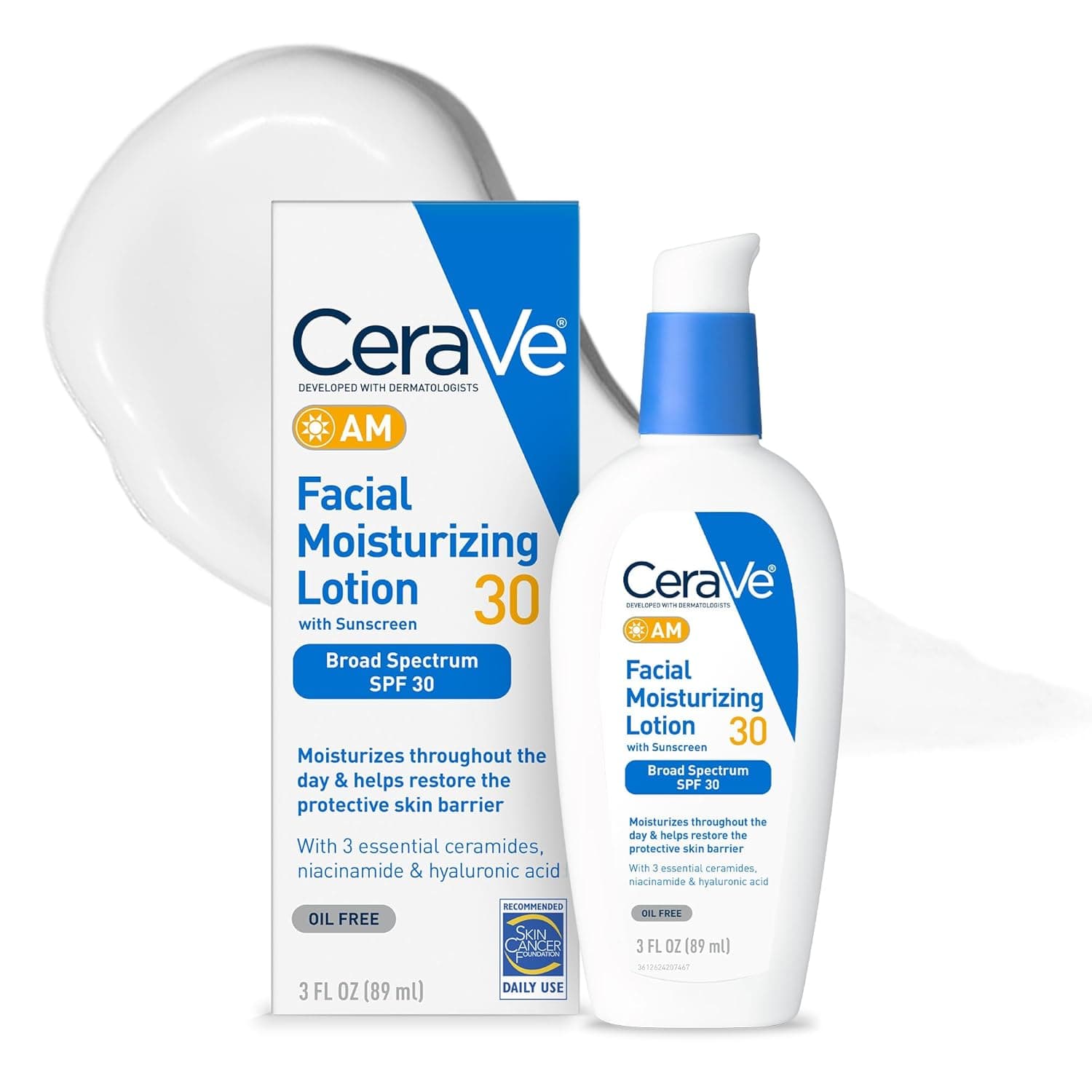
SPF 30
Malassezia: Medium RiskFragrance FreeAlcohol FreeContains OctinoxateEndocrine DisruptorsOwnership: Public Parent
$19.99Buy
4.5 ★ · 97.1k reviews
Updated
Fragrance is the most common cause of allergic reactions to skincare, and it's also the most easily disguised. "Unscented" doesn't mean fragrance-free. "Naturally scented" isn't safer — botanical fragrance carries the same allergens as the synthetic kind, sometimes more. For anyone with sensitive skin, eczema, rosacea, or just a face that flares for no obvious reason, cutting fragrance is usually the single highest-yield change you can make to a routine.
The EU requires a set of specific fragrance chemicals to be named individually on labels, because they're frequent enough sensitisers to warrant their own warning. The list includes linalool, limonene, citronellol, geraniol, and eugenol. None of these are obscure. Linalool is the dominant compound in lavender; limonene is in every citrus oil. A sunscreen can list "lavender essential oil" and feel wholesome while delivering exactly the allergen a fragrance-sensitive person is trying to avoid.
These two labels mean different things, and the difference matters. "Unscented" means the product has no noticeable smell — but a masking fragrance may have been added to cover the base formula's natural odour. "Fragrance-free" means no fragrant material was added at all. Our filter enforces the stricter reading: a sunscreen passes only if it contains neither the catch-all fragrance or parfum listing nor any of the individually named allergens.
Fragrance mix sits near the top of dermatology's contact-allergen rankings year after year. If you have eczema, rosacea, perioral dermatitis, or skin that reacts unpredictably, fragrance is the first thing to remove and the last thing to add back. Sensitisation also builds with exposure — a fragrance you tolerate today can become a problem after months of daily use. For the gentlest possible routine, pair this with the alcohol-free and dye-free filters.
No, and the gap is real. Unscented products can contain a masking fragrance whose only job is to neutralise the smell of the base formula — which means a fragrance-sensitive person can still react. Fragrance-free means no fragrant material was added. Our filter only passes products that meet the fragrance-free standard.
In this filter, yes. Essential oils carry the same allergens — linalool, limonene, geraniol — as synthetic fragrance, often at higher concentrations. "Natural" describes the source, not the allergy risk. Lavender and citrus oils are among the more common offenders.
Fragrance compounds cause trouble two ways: direct irritation, and immune sensitisation that worsens with repeated exposure. They're consistently a top-three contact allergen in patch-test data and a frequent trigger for eczema and rosacea flares. Removing them takes one of the biggest variables out of a routine.
Yes. UV filters, emollients, and preservatives all have their own faint odours, so a true fragrance-free formula isn't always odourless — it just hasn't had fragrance added. The tell is the character of the smell: faintly chemical or oily is normal, while floral, fruity, or "fresh" usually means fragrance.
94 sunscreens pass this filter
Combine with other filters on the full browse page.
4.5 ★ · 97.1k reviews
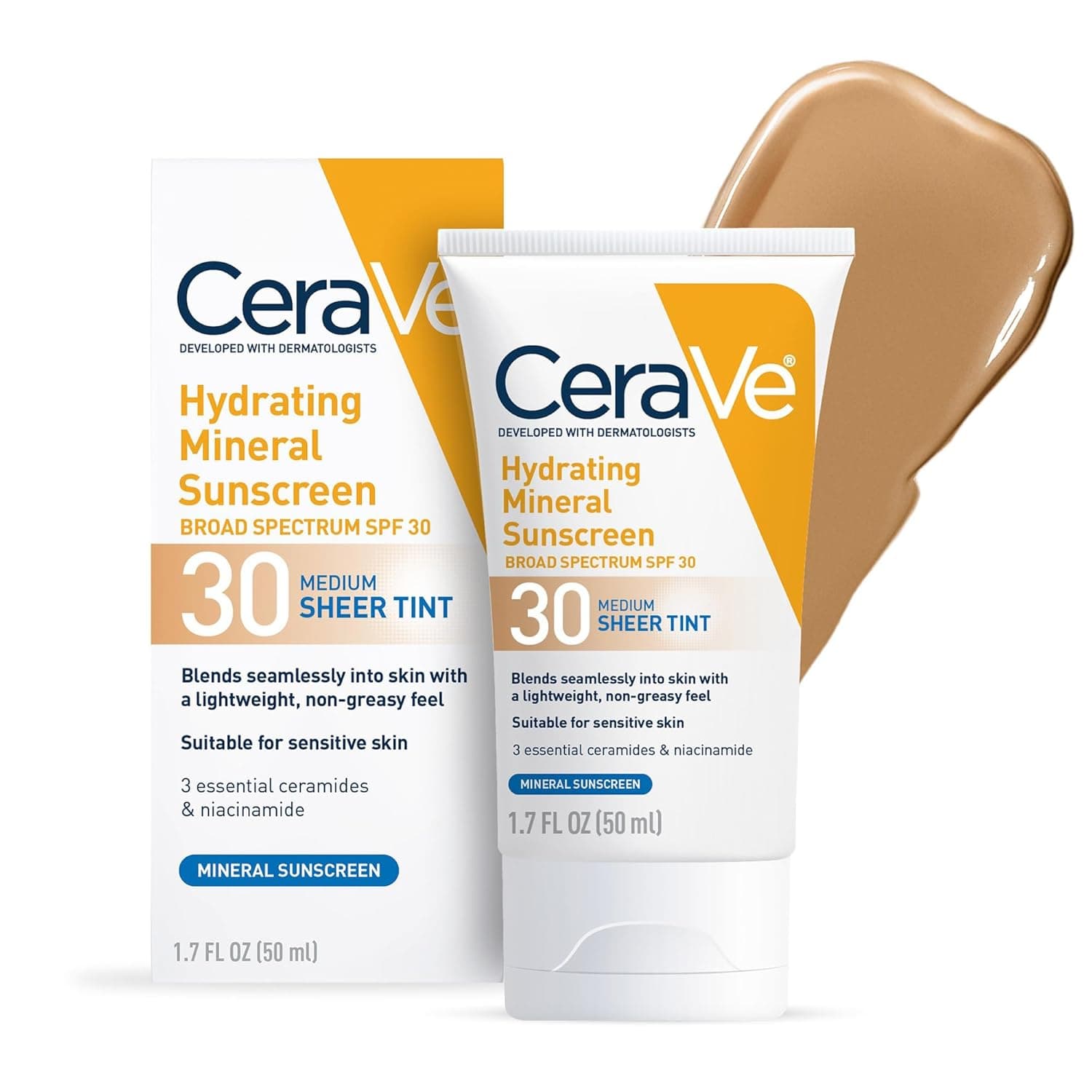
4.4 ★ · 70.8k reviews
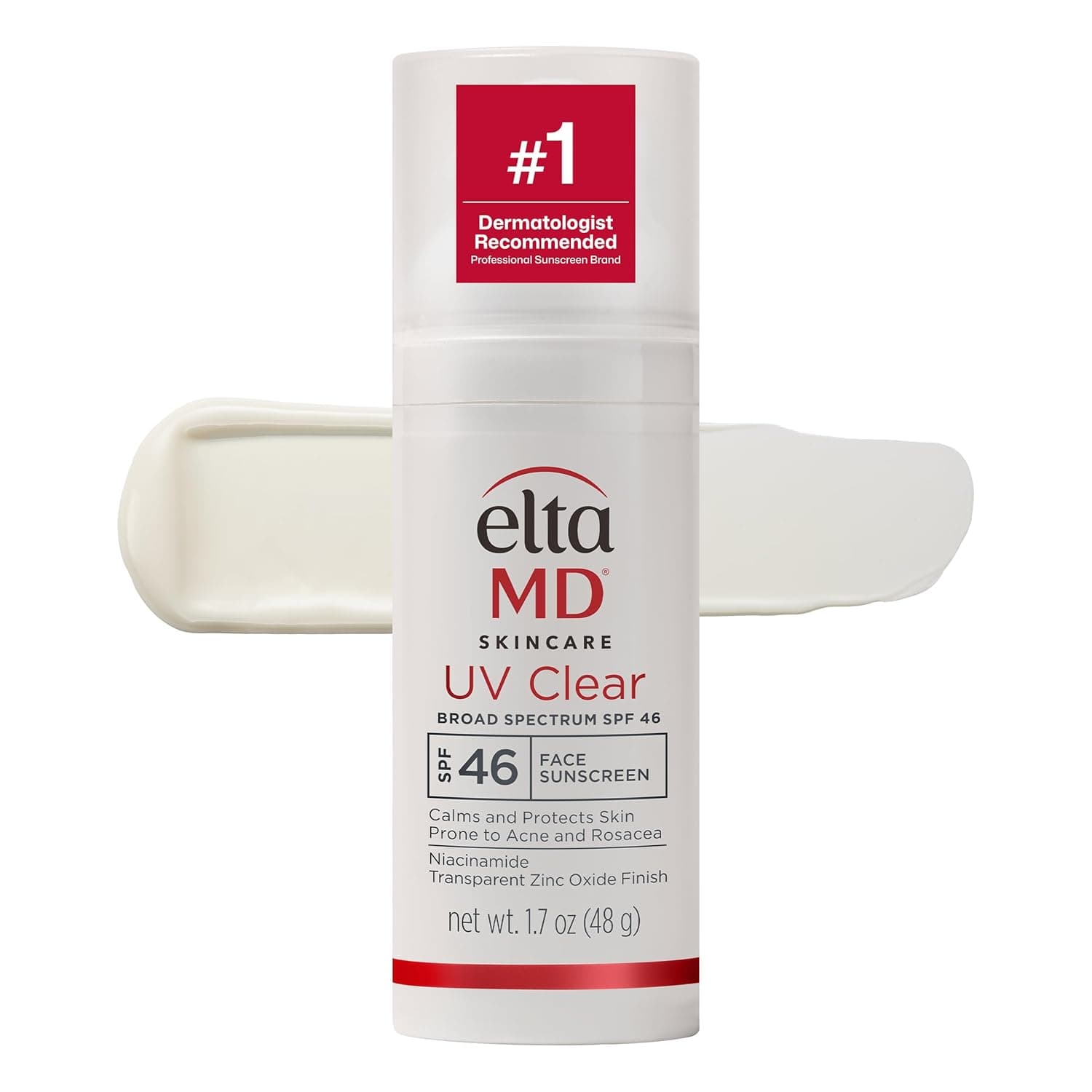
4.6 ★ · 47.5k reviews
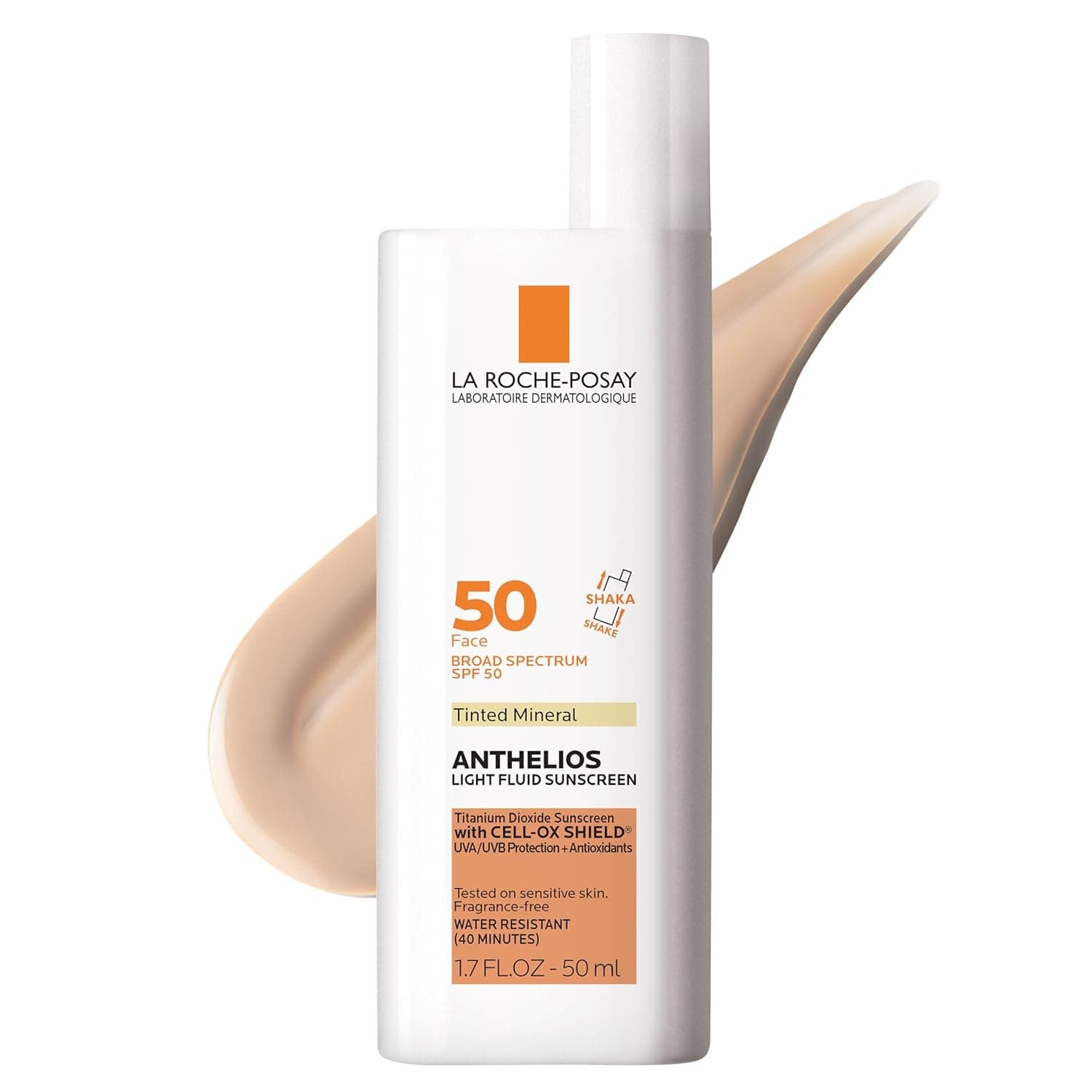
La Roche-Posay
4.5 ★ · 31k reviews
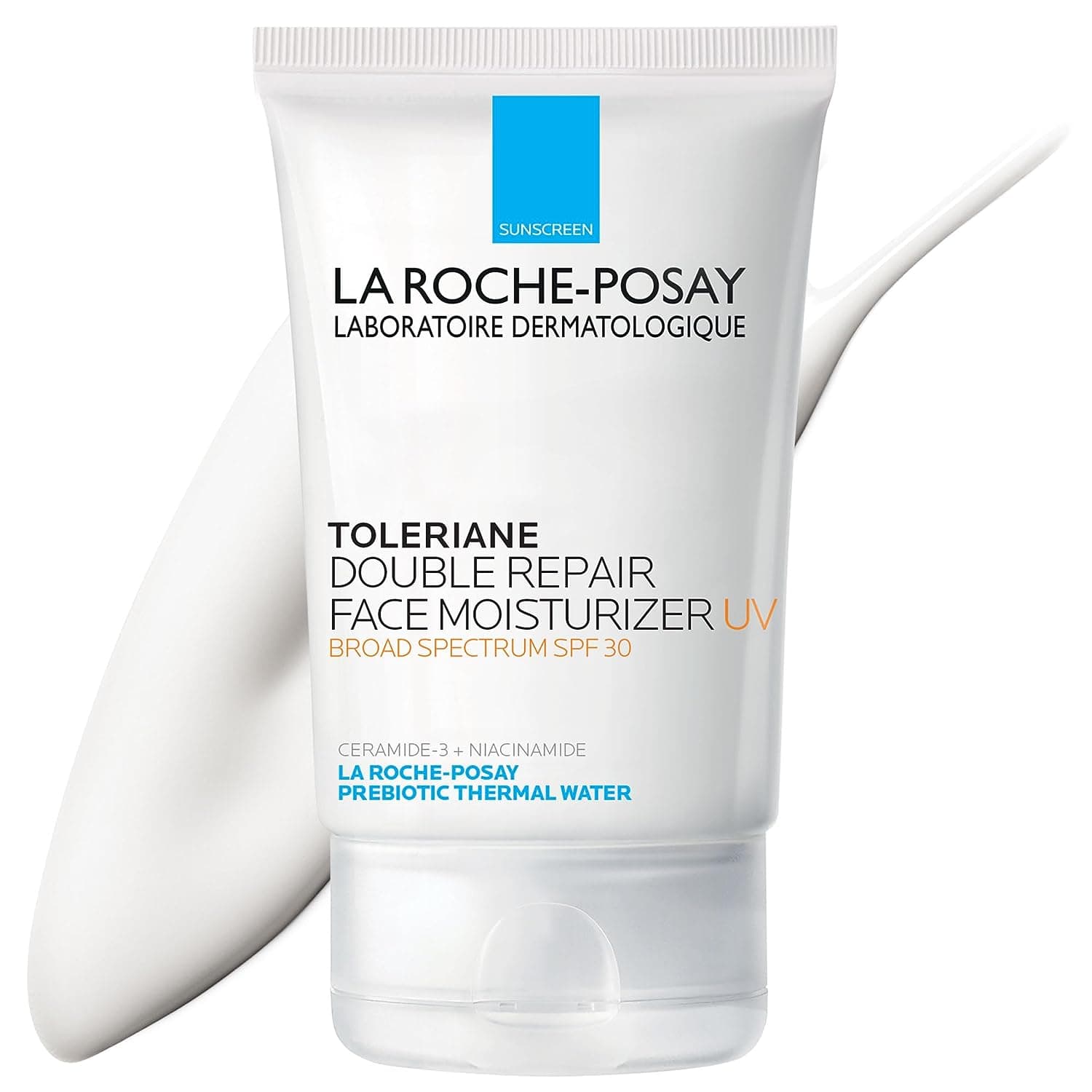
4.6 ★ · 28.2k reviews
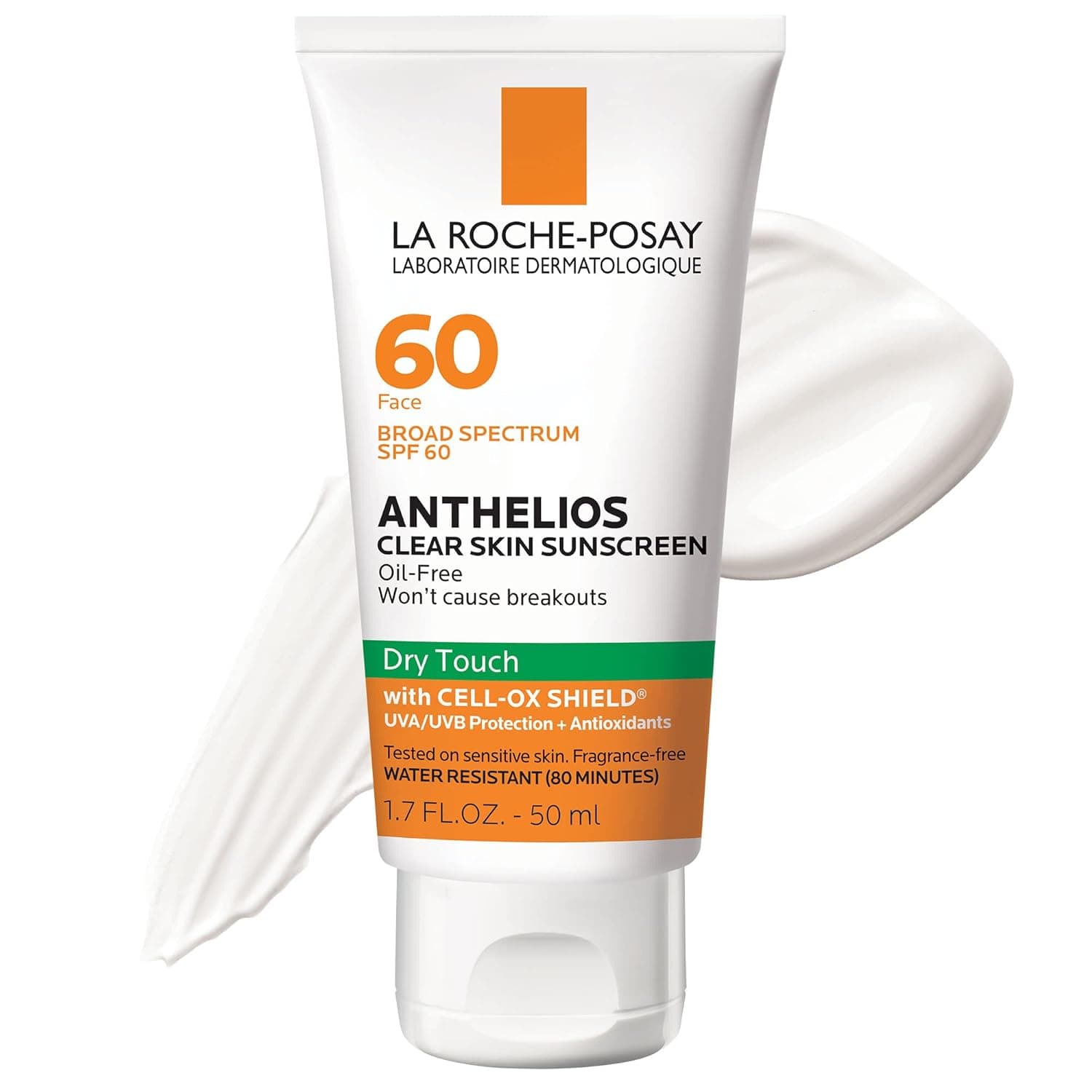
4.4 ★ · 22.7k reviews
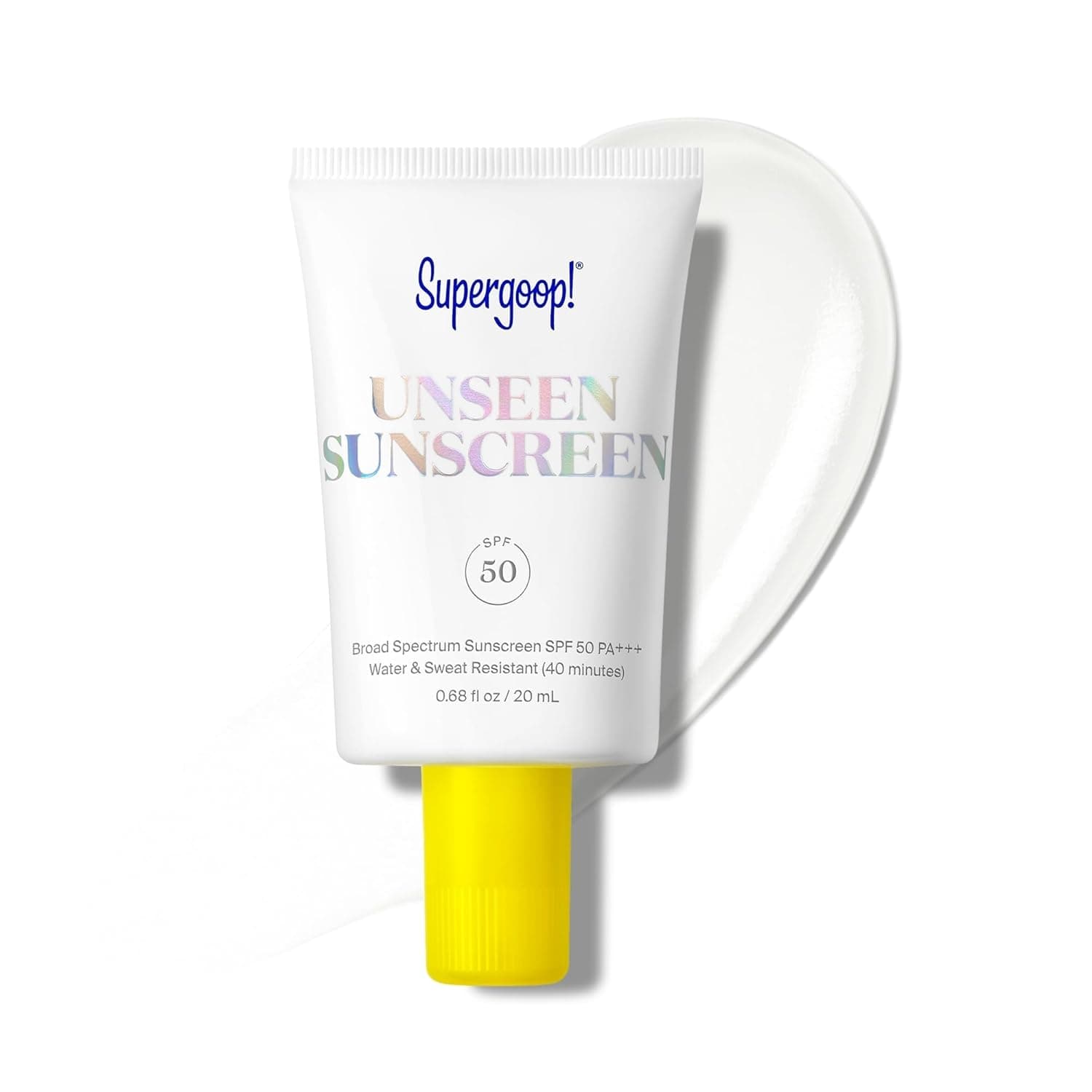
Supergoop!
4.6 ★ · 19k reviews
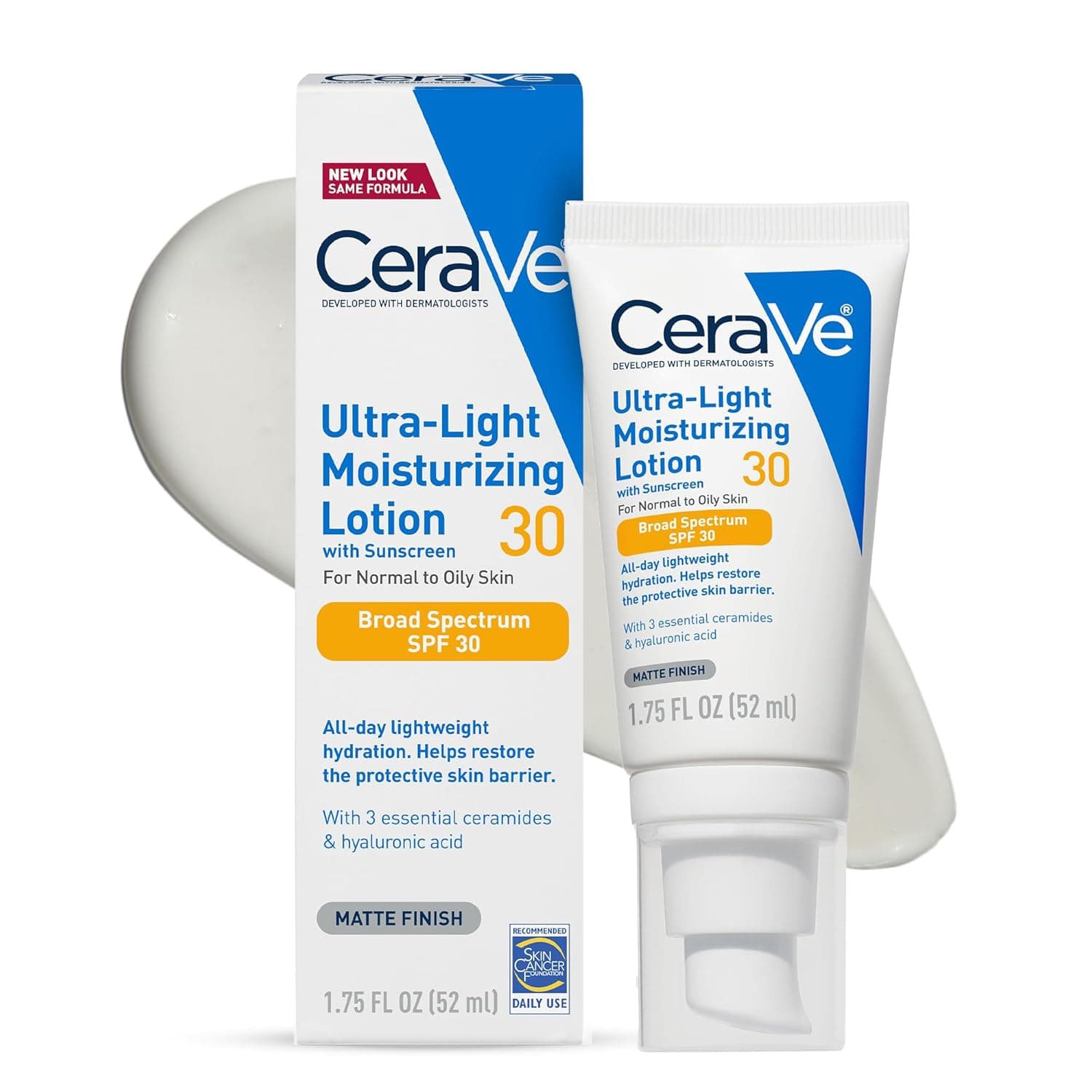
4.7 ★ · 16.1k reviews
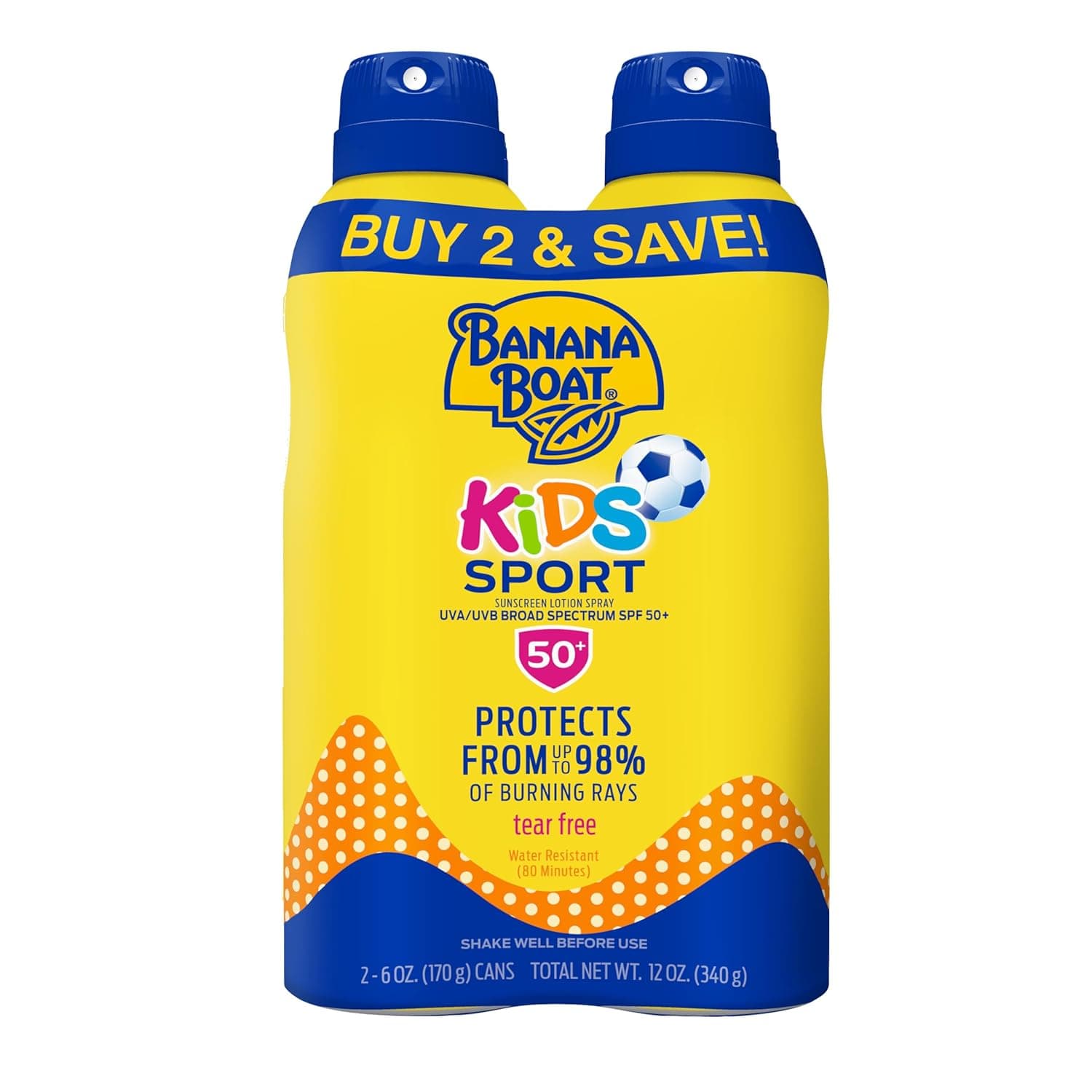
4.7 ★ · 14.8k reviews
Sunscreens screened for Malassezia triggers — the fatty acids, esters, and oils that feed the yeast behind fungal acne. Every ingredient checked, not just the actives.
Sunscreens without drying alcohols like ethanol, alcohol denat, and isopropyl alcohol — and why the fatty alcohols on the same label are not the problem.
Sunscreens with no synthetic azo or coal-tar dyes. Why these colorants are purely cosmetic, and why mineral iron-oxide tints are a different thing entirely.