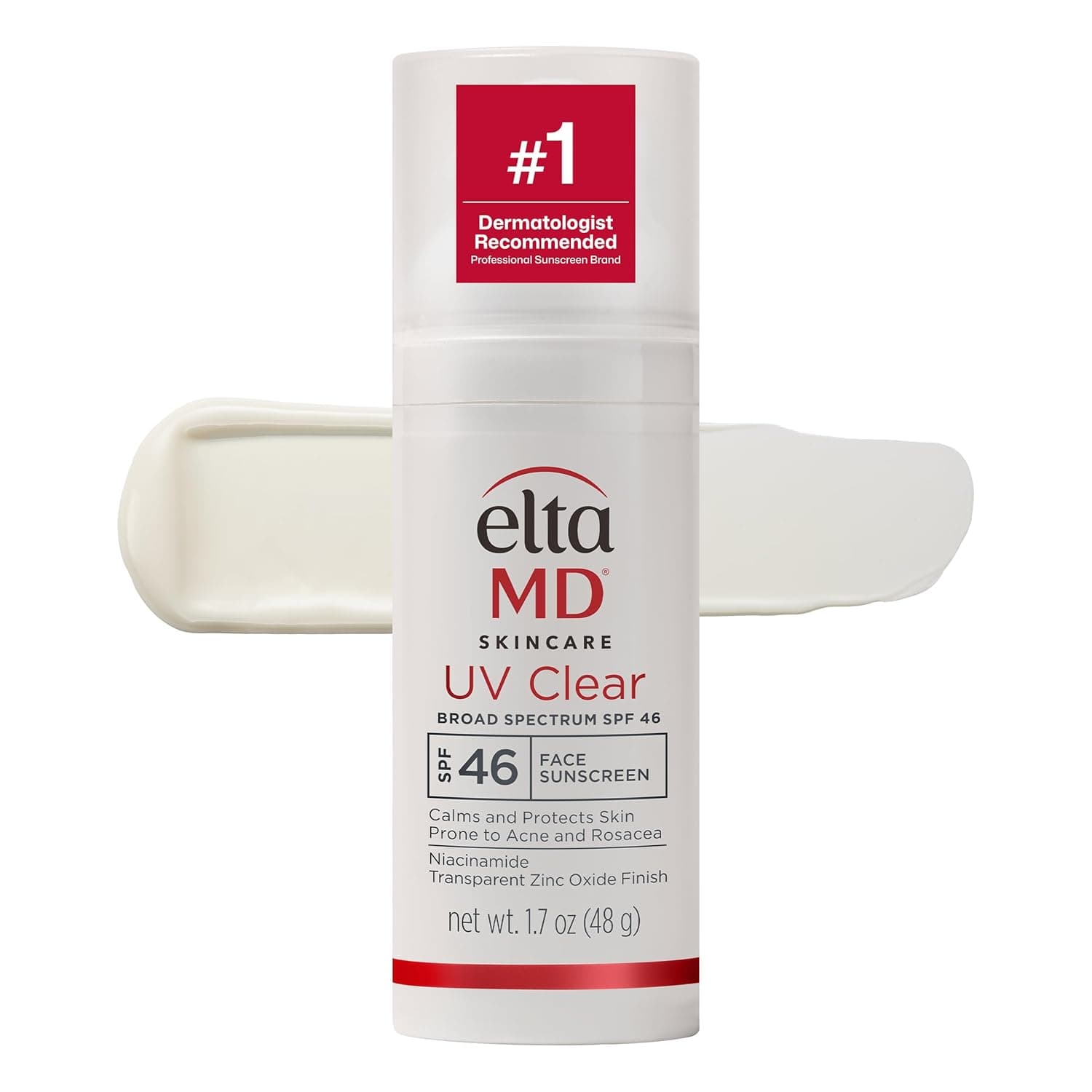
SPF 46
Malassezia: Low RiskFragrance FreeAlcohol FreeContains MicroplasticsContains OctinoxateEndocrine DisruptorsOwnership: Public Parent
$45.00Buy
4.6 ★ · 47.5k reviews
Updated
Fungal acne isn't really acne. The bumps come from Malassezia, a yeast that lives on everyone's skin but occasionally overgrows inside hair follicles. Because it's a fungus, the benzoyl peroxide and salicylic acid you'd reach for with ordinary acne do nothing for it — and some of those products can make it worse. Sunscreen is the hardest step to get right, because you're applying a thick layer every single day, and it's often the richest-textured product in a routine.
Malassezia metabolises fatty acids that are roughly 11 to 24 carbons long. That one fact rules out a long list of common sunscreen ingredients. Isopropyl myristate and isopropyl palmitate — esters added so a formula spreads thin and sinks in fast — are two of the most reliable triggers. So are the polysorbate emulsifiers, nearly every plant oil, and the straight fatty acids themselves. A sunscreen can block UV beautifully and still break you out, because the problem is almost never the UV filter — it's the emollient base built around it.
We compare every ingredient against a list of known Malassezia triggers compiled from dermatology research and the fungal-acne community's tested ingredient lists, then weight each trigger by where it appears. Ingredient lists run in descending order of concentration, so a trigger in the top few slots weighs much more than one past the twentieth. A formula with no triggers is "low risk" — and so is one whose only trigger is a single minor entry low in the list. As triggers get more numerous or sit higher up, a formula moves to "medium risk" and then "high risk." If you'd rather not cut as deep, the medium filter includes those borderline formulas too. Either way, the tier is a starting point, not a guarantee — if you react to even trace amounts, open the full ingredient list and check it yourself.
The dependable triggers: isopropyl myristate, isopropyl palmitate, polysorbate 80 and its 20/60 siblings, olive oil and most other plant oils, the straight fatty acids like stearic acid, and the fatty alcohols — cetyl, cetearyl, stearyl, and behenyl alcohol. That last group is genuinely debated, but enough people react that we flag it. What's fine, despite sounding oily: the mineral filters zinc oxide and titanium dioxide, squalane (a 30-carbon hydrocarbon, well outside the range the yeast can use), mineral oil, dimethicone, and glycerin.
A pure mineral sunscreen is the easiest starting point because those formulas tend to be shorter — but "mineral" alone guarantees nothing, since mineral sunscreens still need emollients to feel wearable. Read the whole list, not just the active ingredients. If you also react to fragrance — common when follicles are already inflamed — stack the fragrance-free filter on top. And give any new sunscreen two to three weeks before you judge it. Fungal acne is slow to flare and slow to settle, so a one-week verdict tells you very little.
It's malassezia folliculitis — an overgrowth of Malassezia yeast inside hair follicles. It shows up as small, itchy bumps that are unusually uniform in size, typically on the forehead, chest, and upper back. It looks like acne but isn't, which is why standard acne treatments don't clear it.
Fungal acne bumps are all about the same size, often itchy, and cluster on the forehead, hairline, chest, and shoulders. They flare with heat and sweat. Regular acne varies in size, isn't usually itchy, and tends to include blackheads and whiteheads. If your "acne" itches and won't respond to normal treatment, fungal acne is worth considering.
Yes. Squalane is a saturated 30-carbon hydrocarbon, and Malassezia feeds on fatty acids in the 11-to-24-carbon range — squalane sits well outside it. Our filter does not flag it. One note: squalane is sometimes confused with squalene, its unstable precursor. The skincare ingredient is squalane, the hydrogenated, shelf-stable form.
No. Zinc oxide and titanium dioxide are both fine, but a mineral sunscreen still needs emollients, emulsifiers, and texture agents — and those are where triggers hide. "Mineral" tells you about the UV filter, not the rest of the formula. Always check the full ingredient list.
Absolutely. Fungal-acne-safe formulas tend to be simple and lightweight, which makes them a good default for anyone with breakout-prone or easily irritated skin — no diagnosis required.
64 sunscreens pass this filter
Combine with other filters on the full browse page.
4.6 ★ · 47.5k reviews
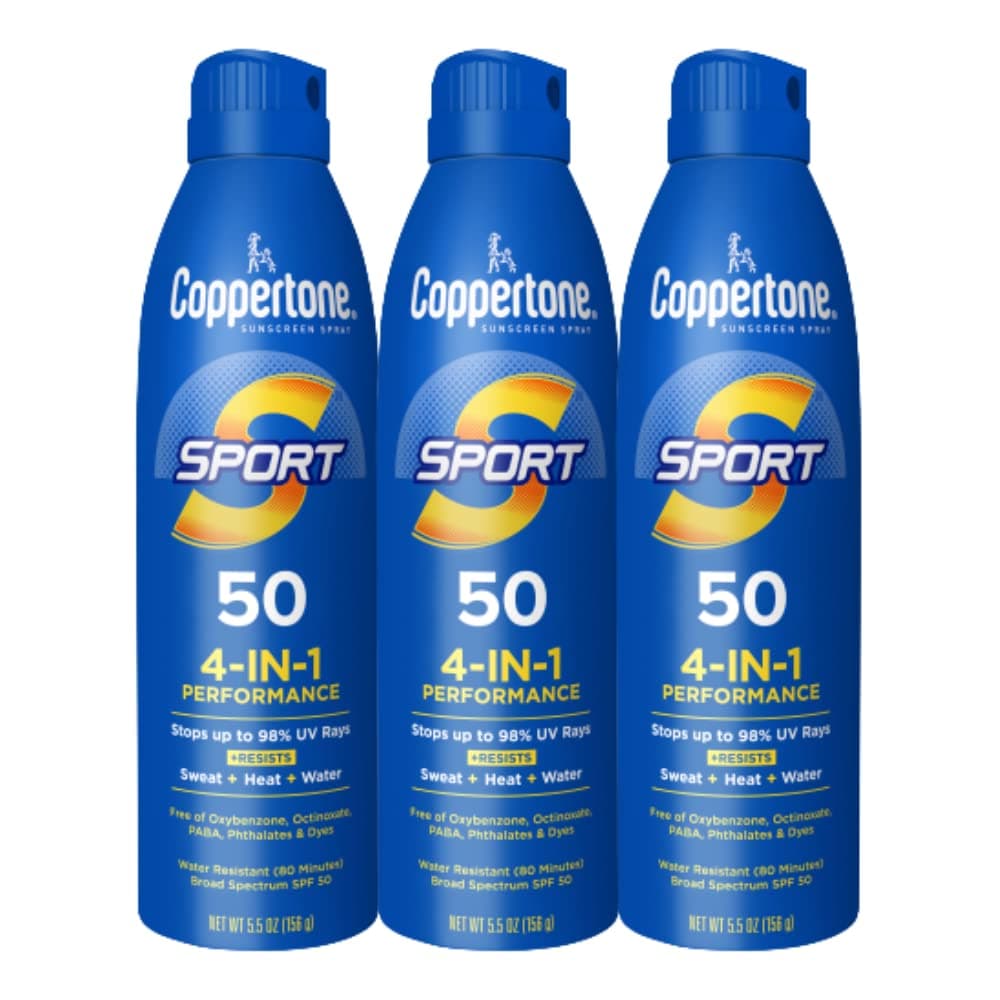
Coppertone
4.7 ★ · 38.7k reviews
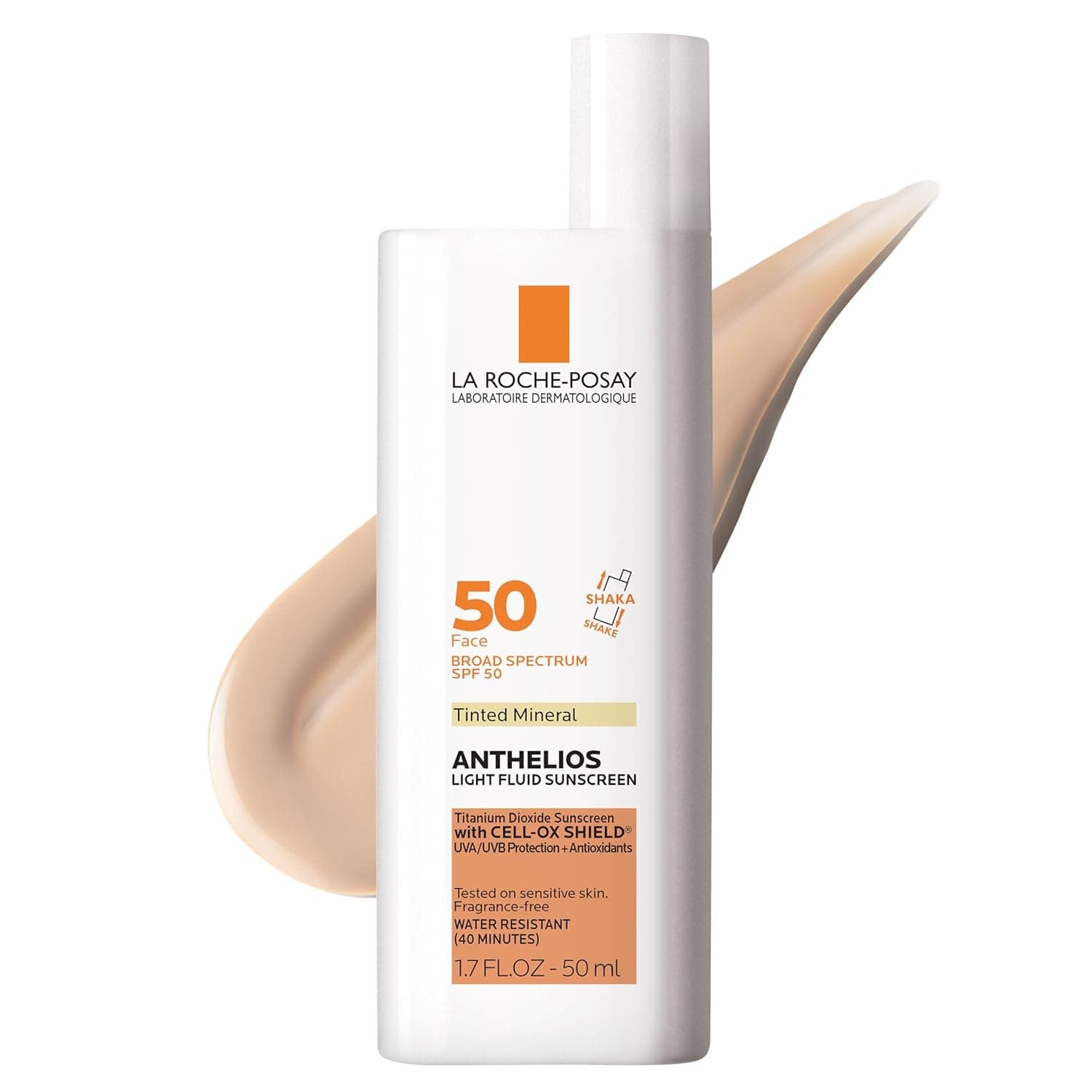
La Roche-Posay
4.5 ★ · 31k reviews
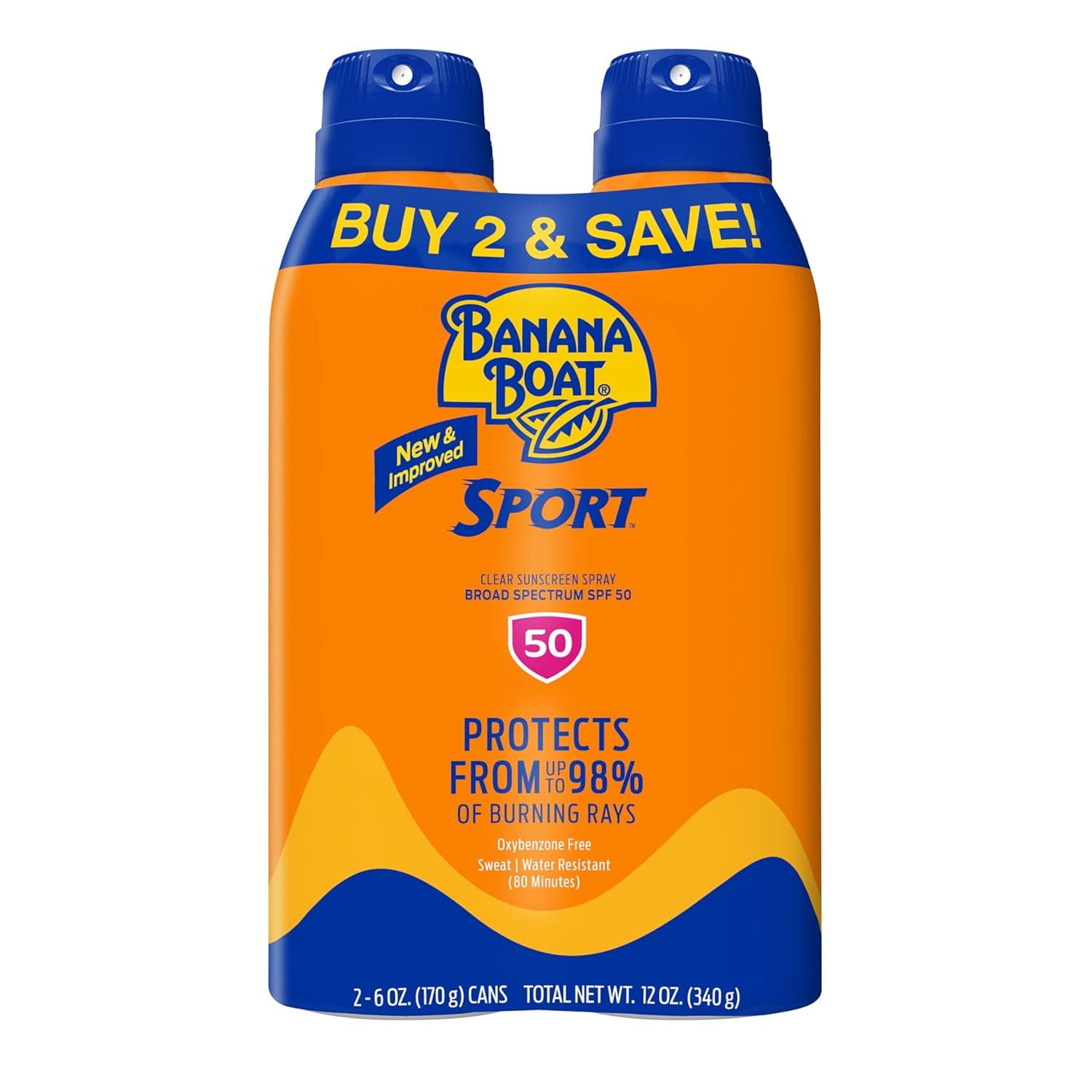
4.8 ★ · 25.5k reviews
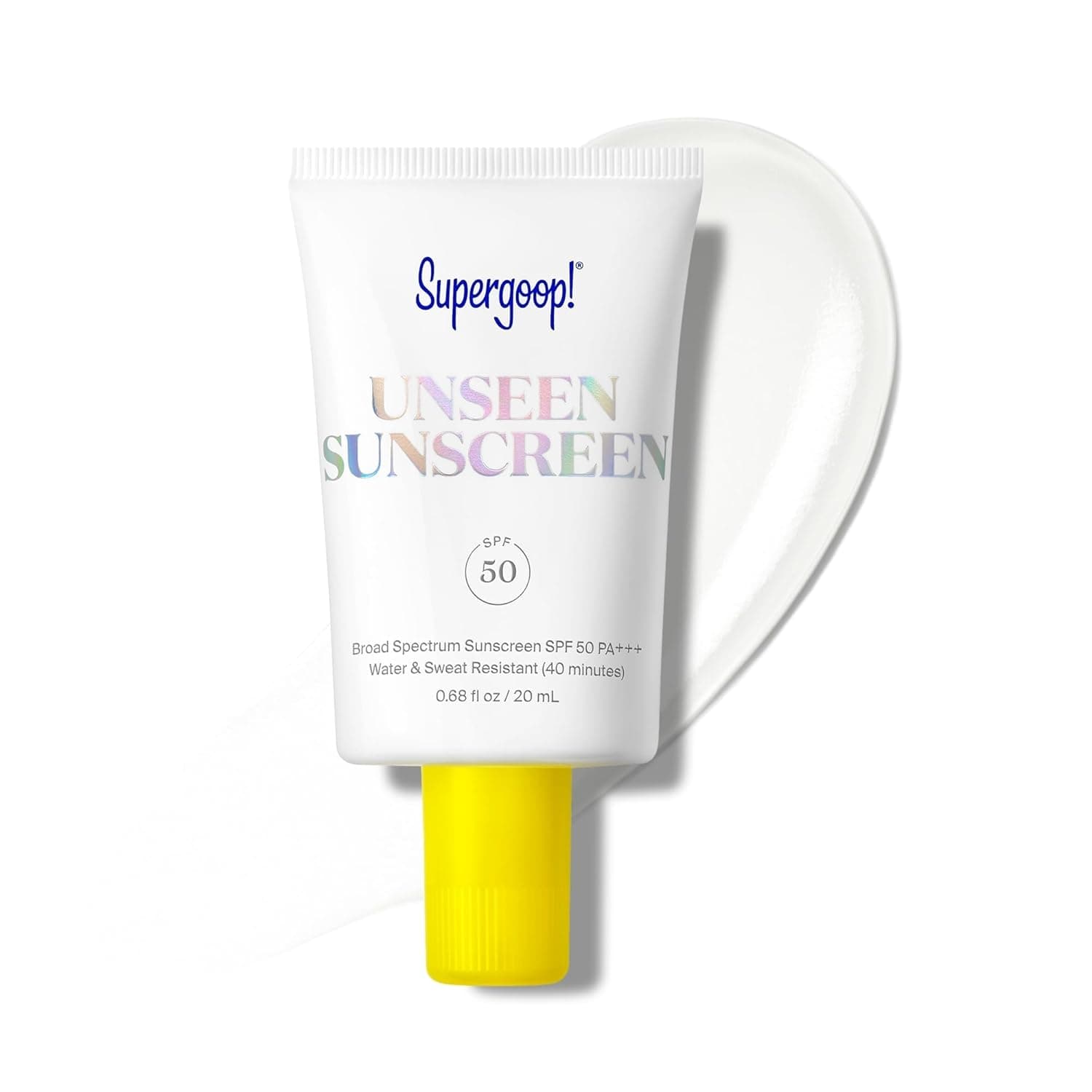
Supergoop!
4.6 ★ · 19k reviews
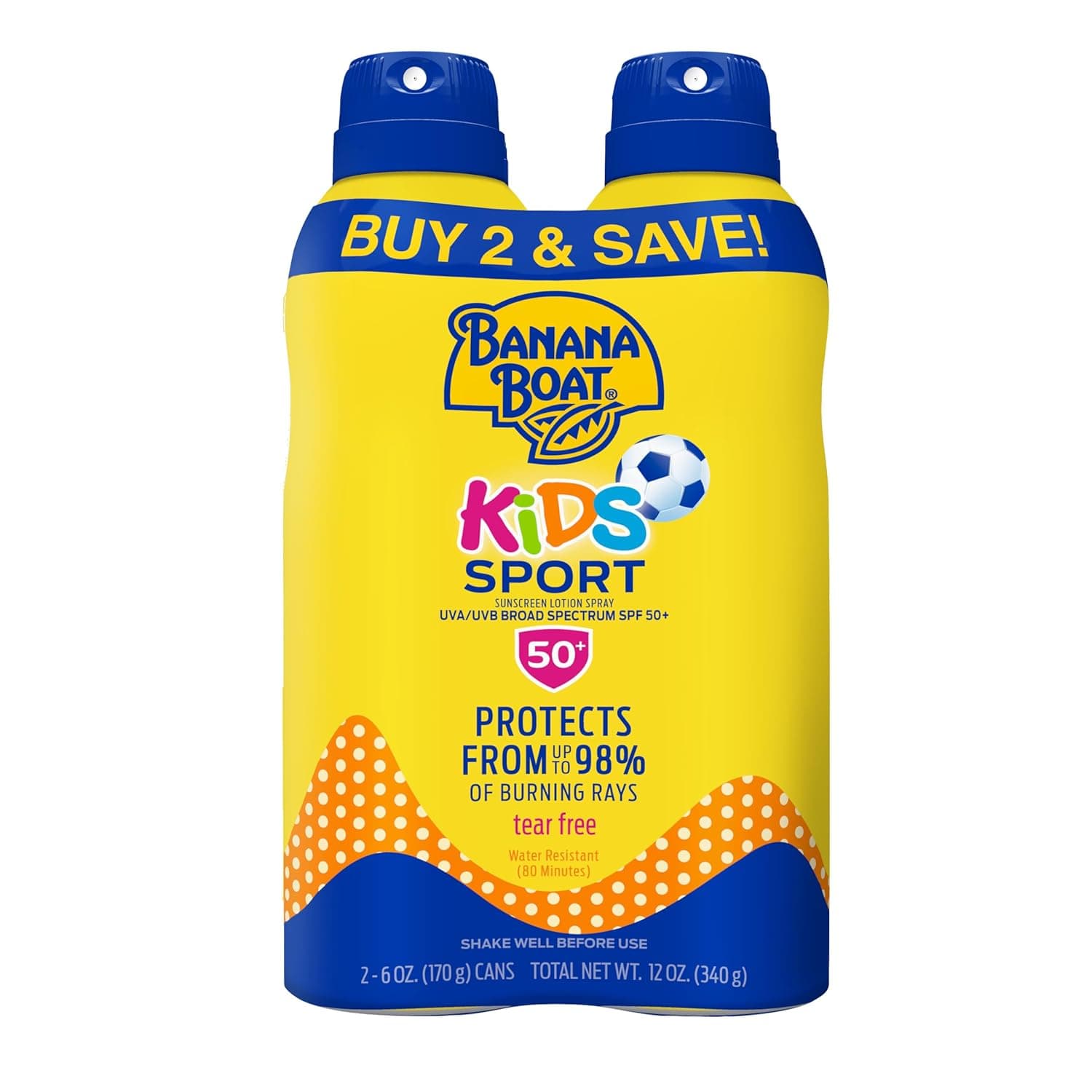
4.7 ★ · 14.8k reviews
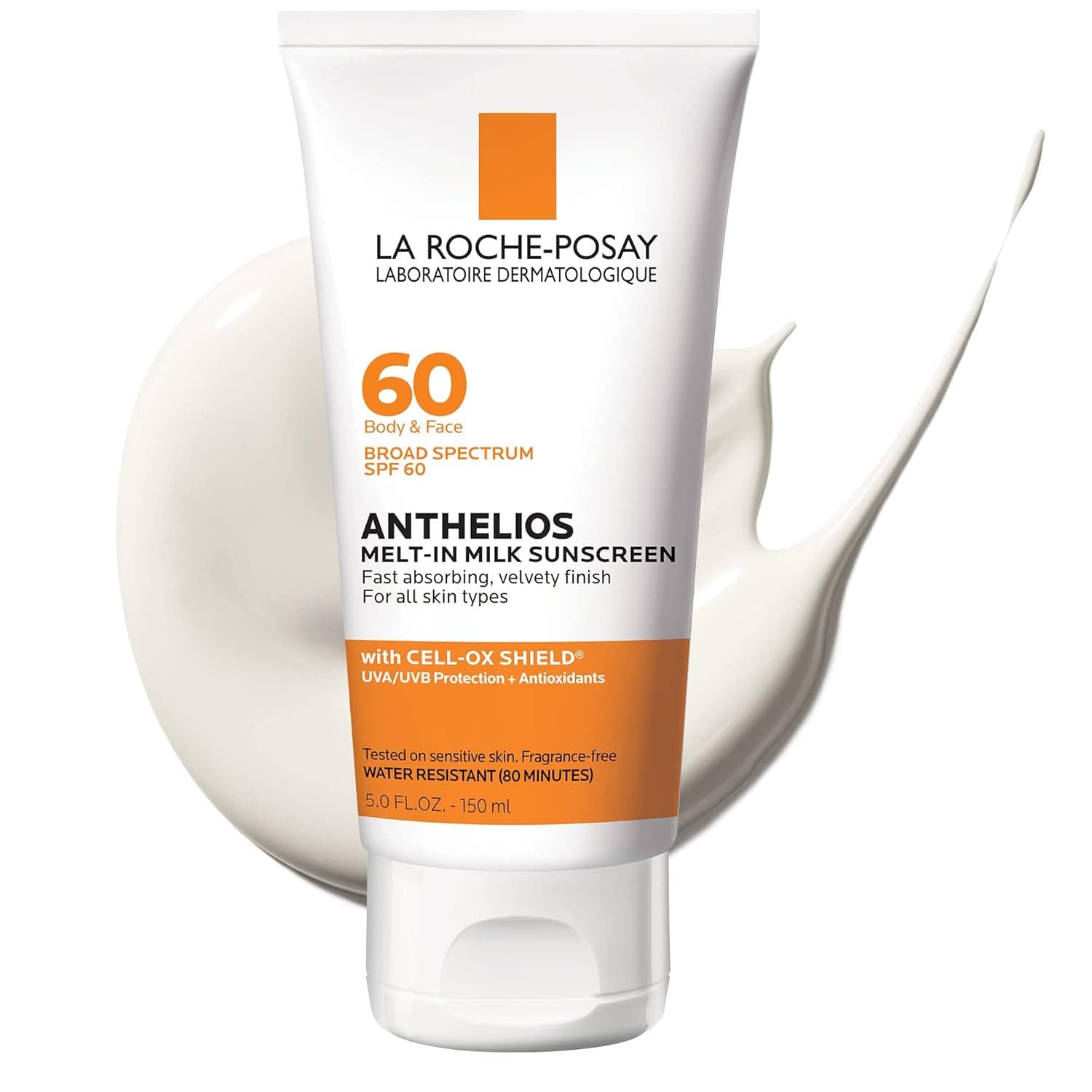
La Roche-Posay
4.6 ★ · 14.8k reviews
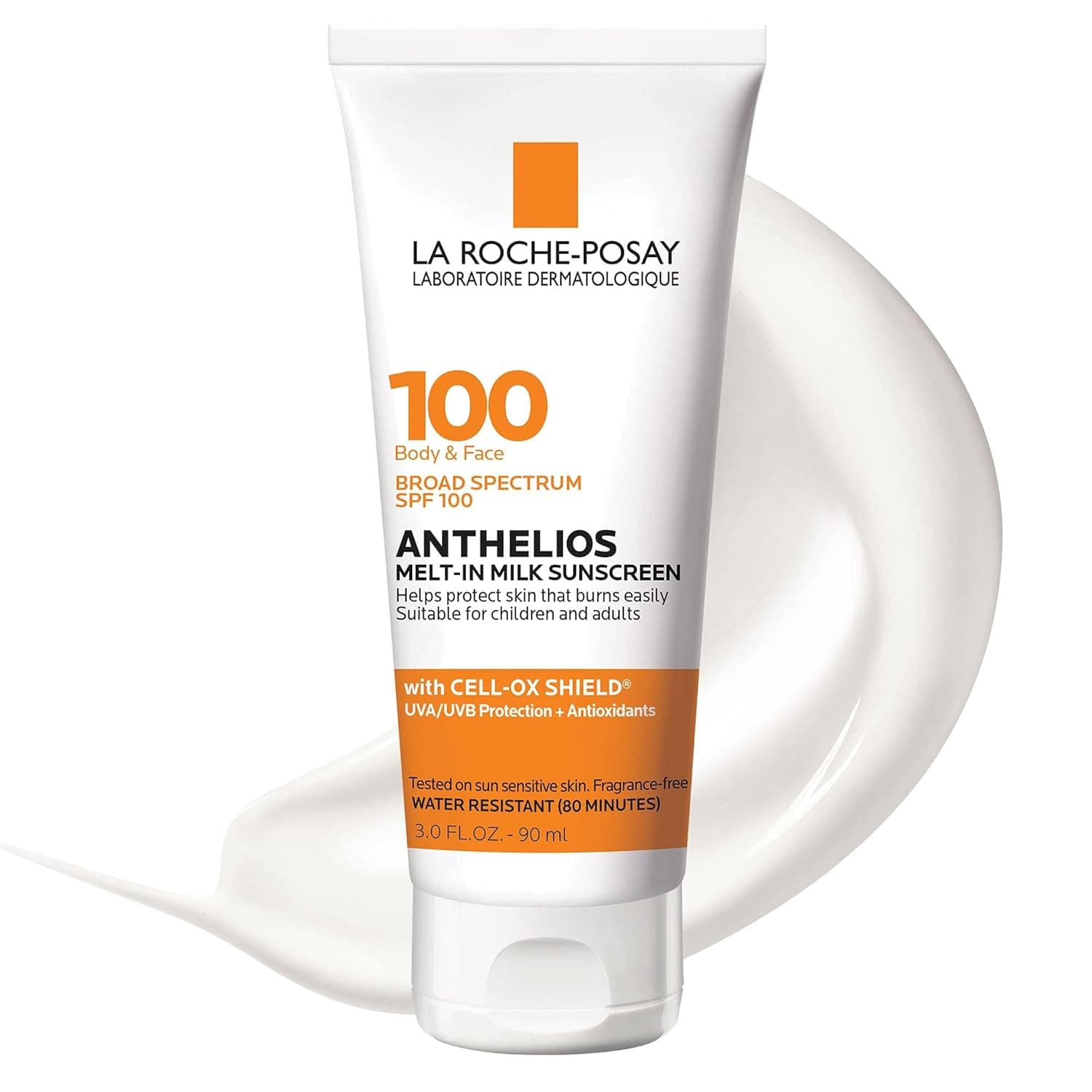
La Roche-Posay
4.7 ★ · 13.4k reviews
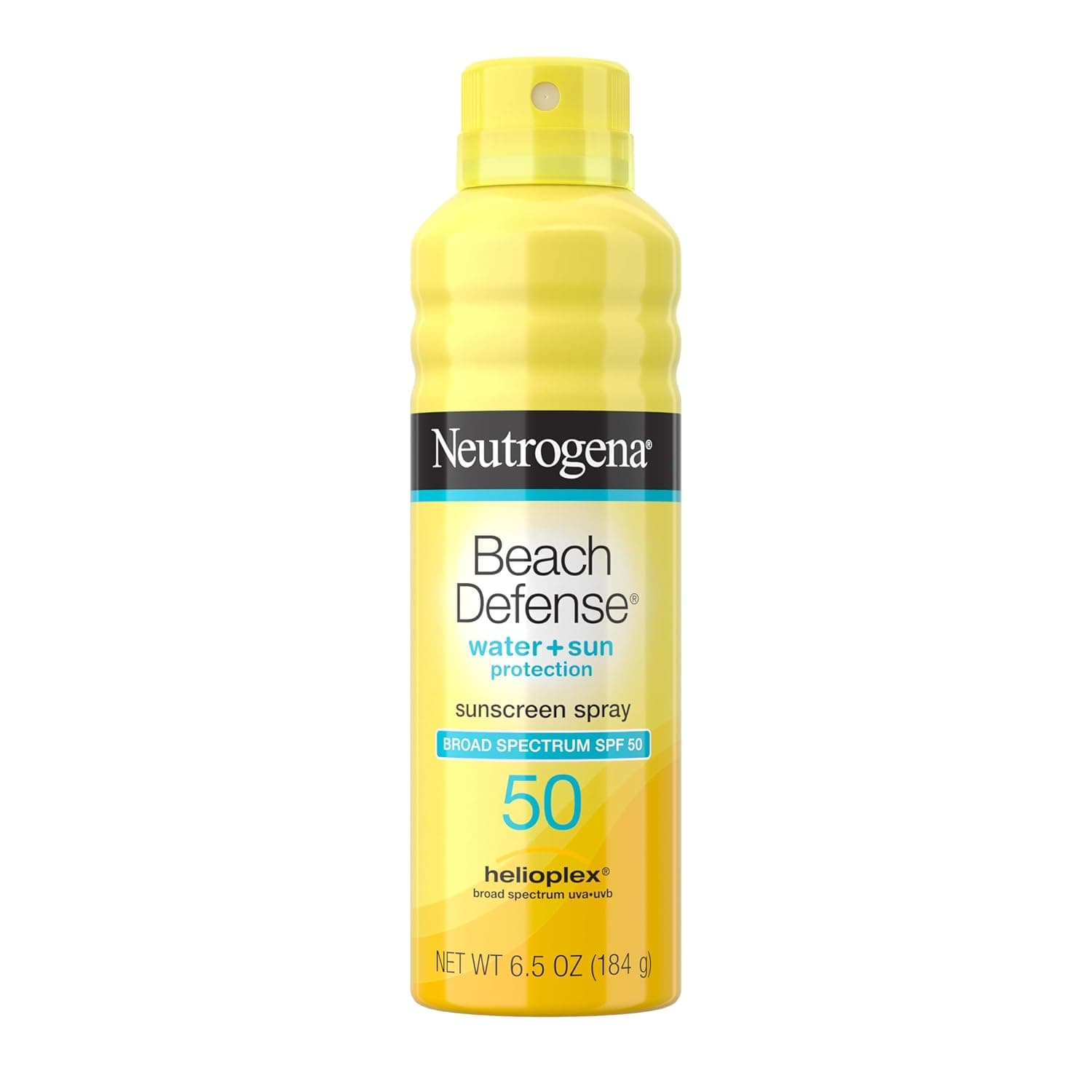
4.7 ★ · 11.4k reviews
Genuinely fragrance-free sunscreens. We screen for parfum and fragrance, plus the individual fragrance allergens the EU requires by name — including the ones hiding in essential oils.
Sunscreens without drying alcohols like ethanol, alcohol denat, and isopropyl alcohol — and why the fatty alcohols on the same label are not the problem.
Mineral (physical) sunscreens that use only zinc oxide and titanium dioxide — no chemical UV filters. How they differ from chemical sunscreens and how to dodge white cast.