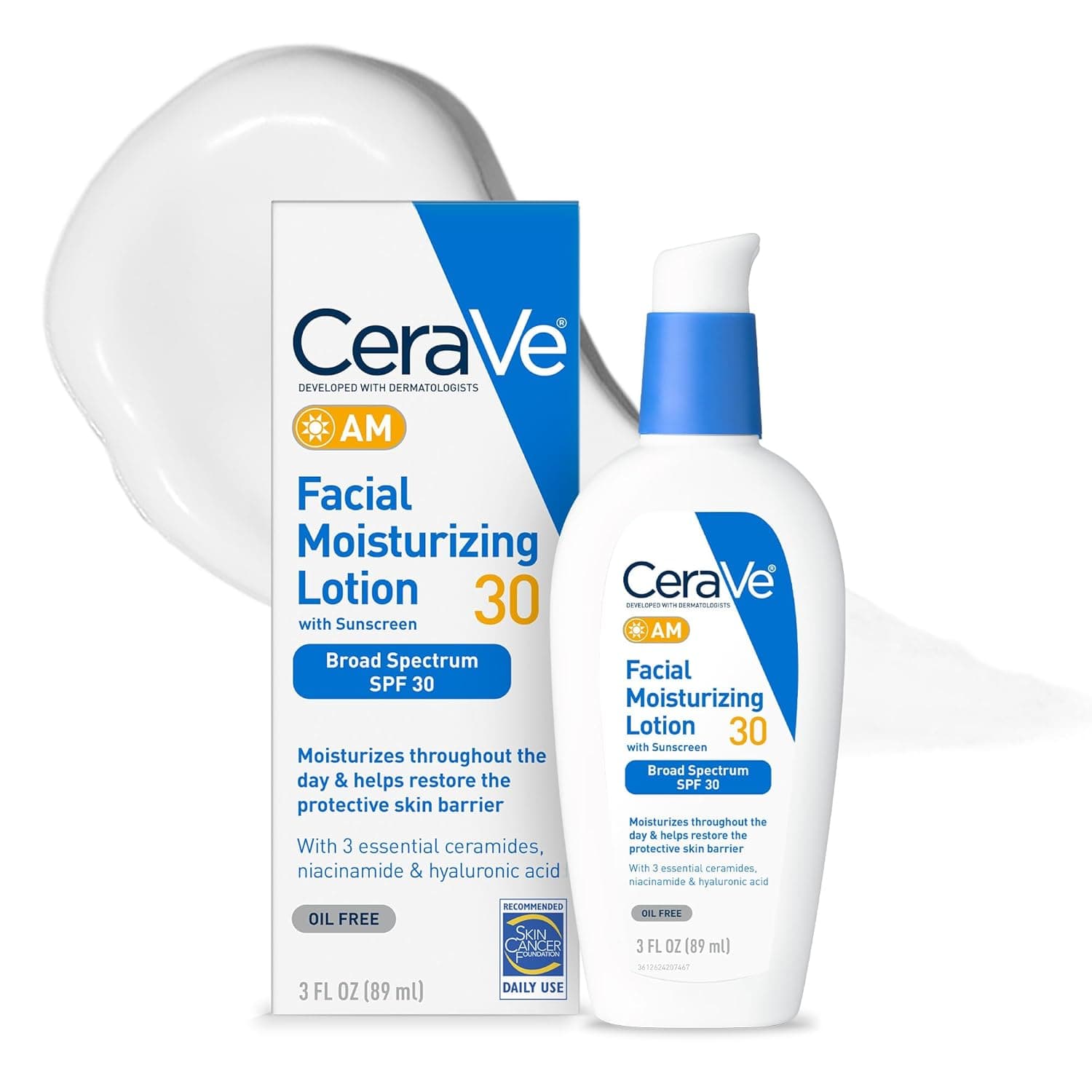
SPF 30
Malassezia: Medium RiskFragrance FreeAlcohol FreeContains OctinoxateEndocrine DisruptorsOwnership: Public Parent
$19.99Buy
4.5 ★ · 97.1k reviews
Updated
Drying alcohols are why so many sunscreens feel weightless and matte. Ethanol, denatured alcohol, and isopropyl alcohol evaporate fast and leave no greasy residue, which makes a formula instantly more pleasant to wear. The catch is what they do underneath: at the concentrations needed for that finish, they disrupt the skin barrier, speed up water loss, and over time can leave skin drier and more reactive than before.
This is the single most useful thing to understand here, because the labels look alike. The drying alcohols — isopropyl alcohol, ethanol, alcohol denat, SD alcohol 40-B — are small, volatile solvents, and they're the ones that strip the barrier. The fatty alcohols — cetyl alcohol, cetearyl alcohol, stearyl alcohol, behenyl alcohol — are large, waxy emollients that soften and condition skin. They share a word and nothing else. This filter targets the drying alcohols only; a fatty alcohol on the label is not a reason to reject a sunscreen.
Alcohol-free matters most for dry or dehydrated skin that already struggles to hold moisture, for sensitive and reactive skin, and for anyone with eczema, rosacea, or a compromised barrier. It also matters if you use retinoids or exfoliating acids — those already raise skin's sensitivity, and a daily drying-alcohol layer on top compounds the irritation. If your skin is oily and robust, drying alcohols are far less of an issue, and the lighter finish may genuinely suit you.
Cutting drying alcohol usually means a heavier, more emollient texture — alcohol-free sunscreens tend to feel more like traditional sunscreen: a little thicker, sometimes with more sheen. Some formulas use volatile silicones like cyclopentasiloxane to get a light finish without the drying effect. None of this is a downside if your skin is dry or sensitive; it's only a trade-off if you specifically wanted that fast-drying matte feel.
No — only the short-chain drying alcohols: isopropyl alcohol, ethanol, SD alcohol, alcohol denat. The fatty alcohols like cetyl alcohol and cetearyl alcohol are emollients that condition skin and are not a concern.
SD alcohol is denatured ethanol — a small, volatile solvent that strips the barrier. Cetyl alcohol is a 16-carbon fatty alcohol from oils — a waxy, creamy emollient. They share the word "alcohol" and nothing about how they behave on skin.
It makes formulas spread thin, dry quickly, and feel light and matte, and it works as a solvent that helps dissolve and stabilise UV filters. The cosmetic payoff is real — the cost is barrier disruption with regular use.
Yes. Drying alcohols accelerate water loss and weaken the lipid barrier, both of which make dry skin drier. For chronically dry skin or a damaged barrier, switching to an alcohol-free sunscreen is usually a noticeable improvement.
119 sunscreens pass this filter
Combine with other filters on the full browse page.
4.5 ★ · 97.1k reviews
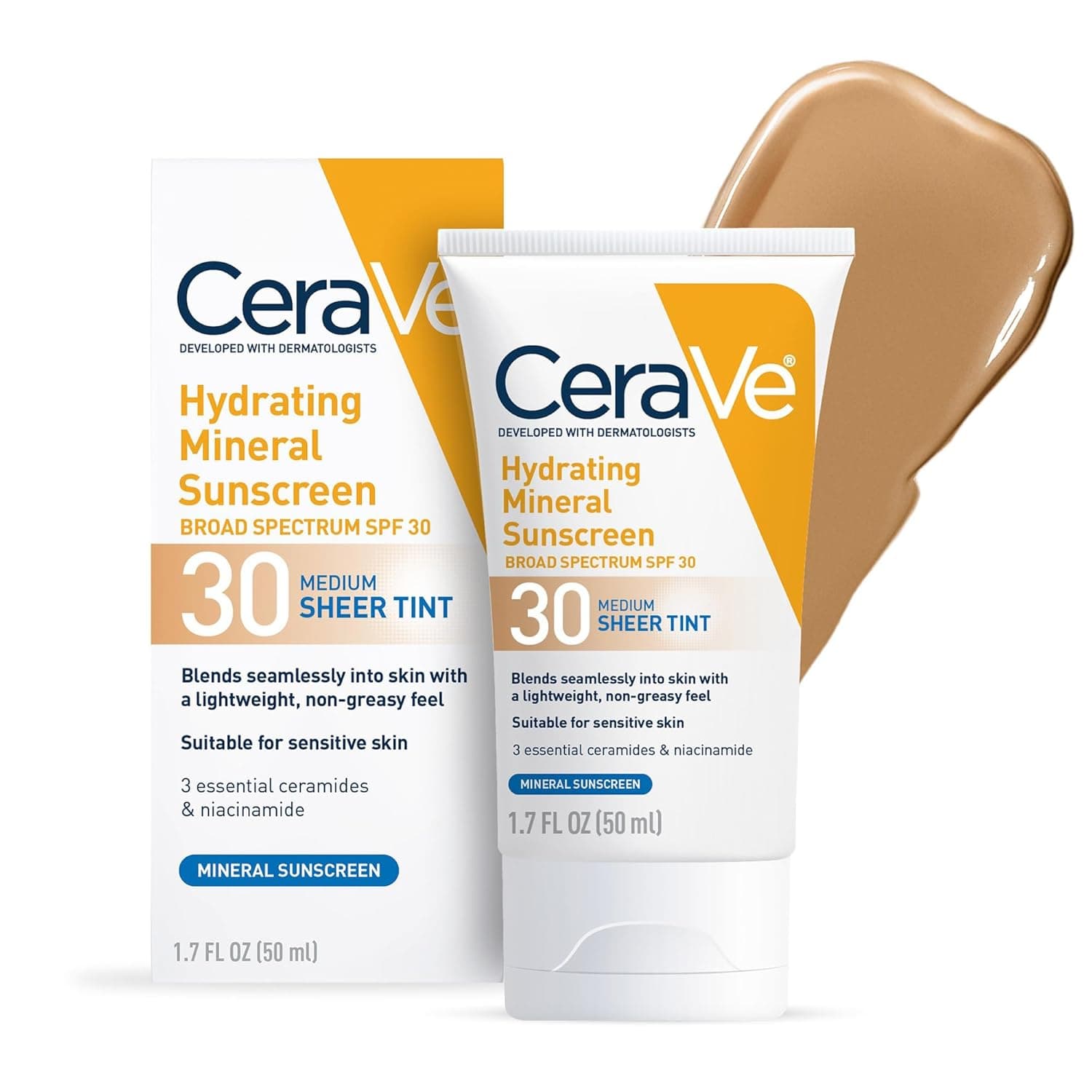
4.4 ★ · 70.8k reviews
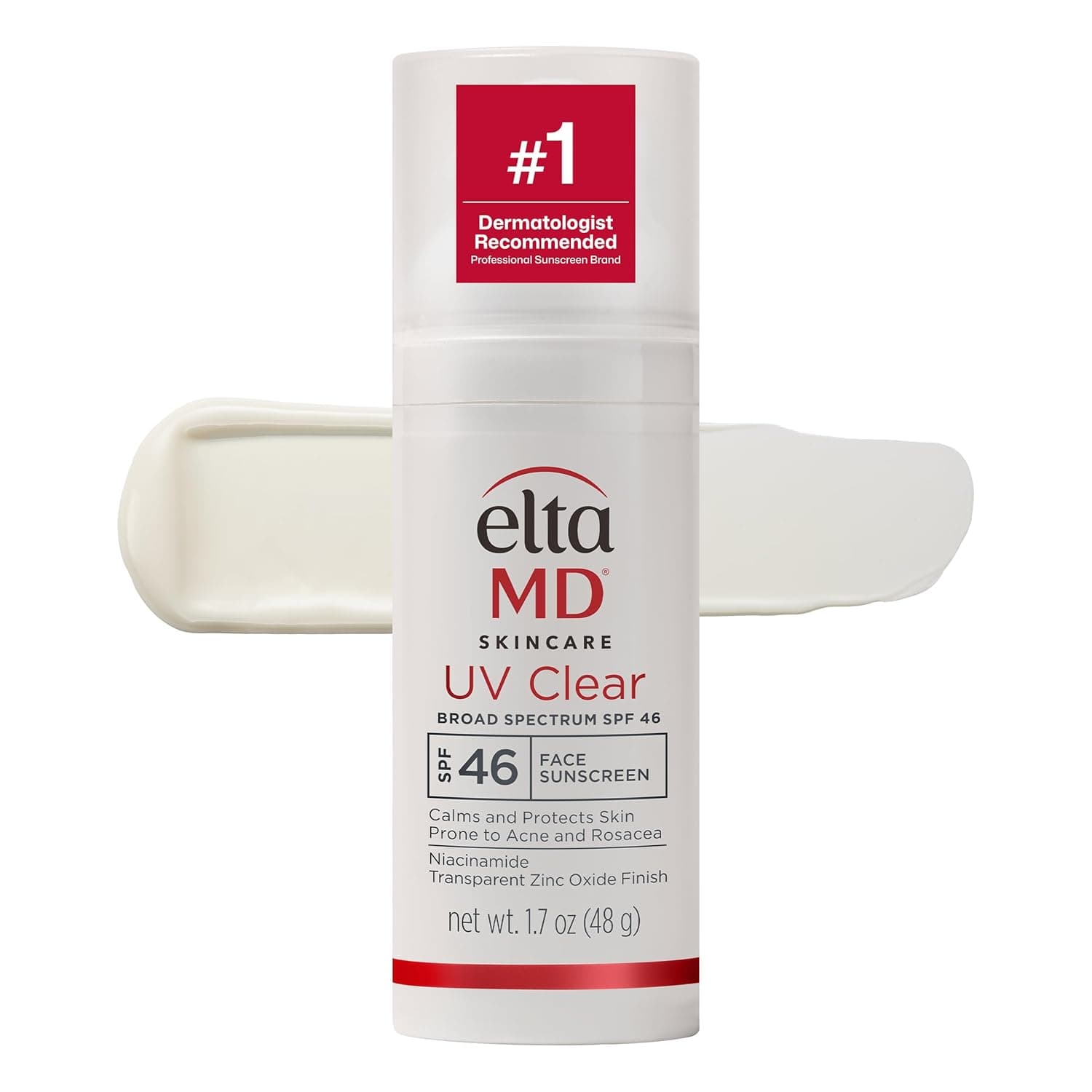
4.6 ★ · 47.5k reviews
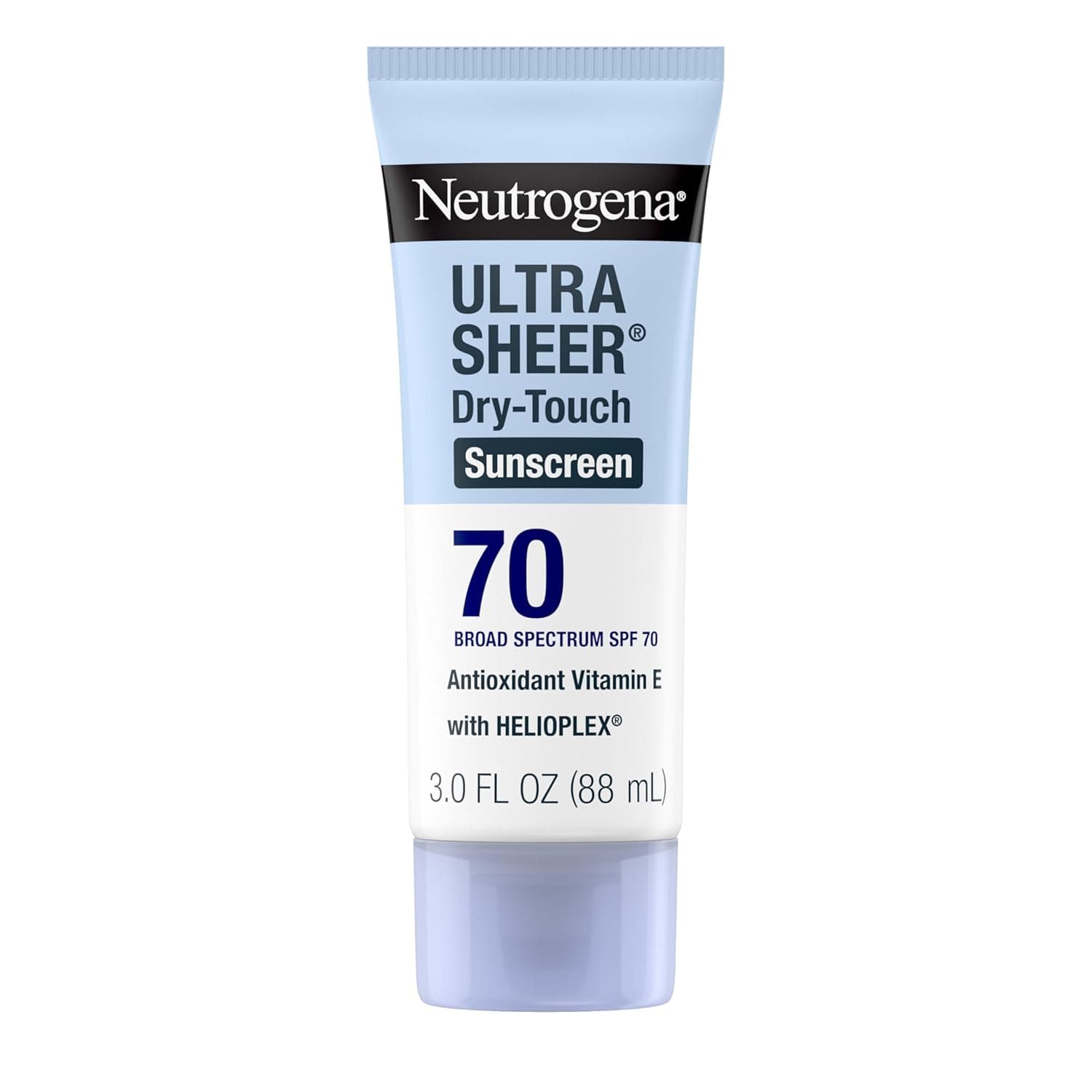
4.6 ★ · 37.4k reviews
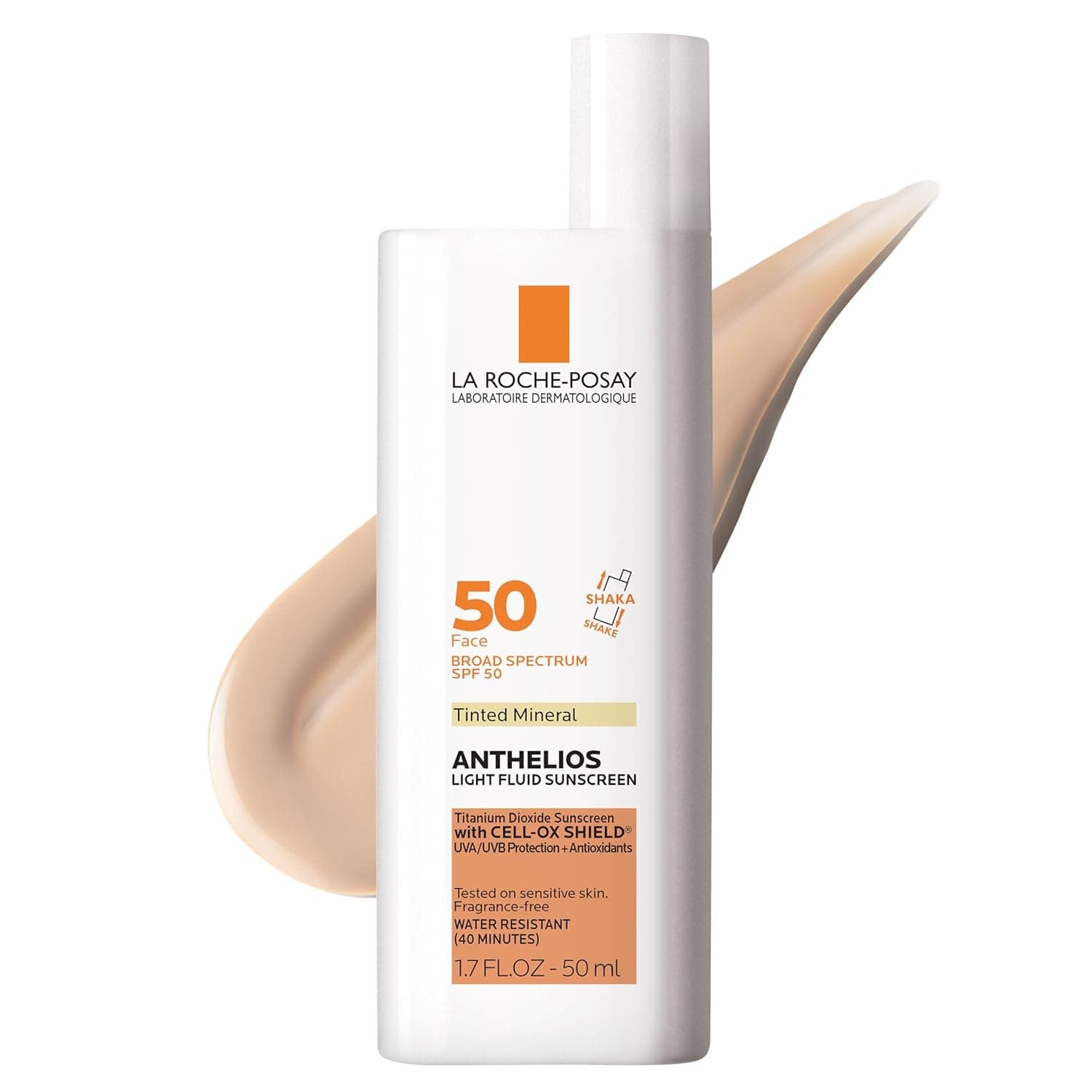
La Roche-Posay
4.5 ★ · 31k reviews
4.6 ★ · 28.2k reviews
Neutrogena
4.6 ★ · 24.5k reviews
4.7 ★ · 23.2k reviews
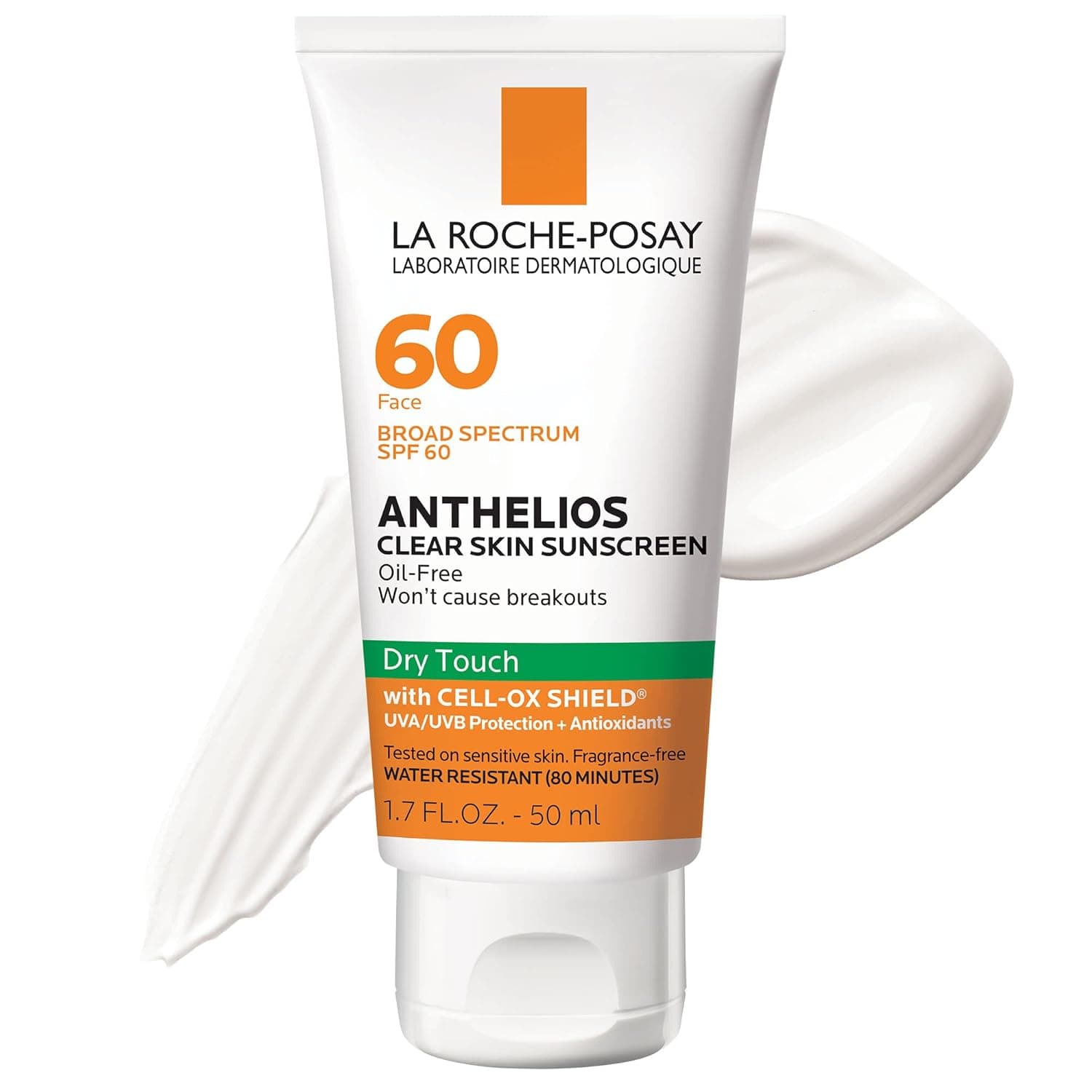
4.4 ★ · 22.7k reviews
Genuinely fragrance-free sunscreens. We screen for parfum and fragrance, plus the individual fragrance allergens the EU requires by name — including the ones hiding in essential oils.
Sunscreens screened for Malassezia triggers — the fatty acids, esters, and oils that feed the yeast behind fungal acne. Every ingredient checked, not just the actives.
Sunscreens with no synthetic azo or coal-tar dyes. Why these colorants are purely cosmetic, and why mineral iron-oxide tints are a different thing entirely.