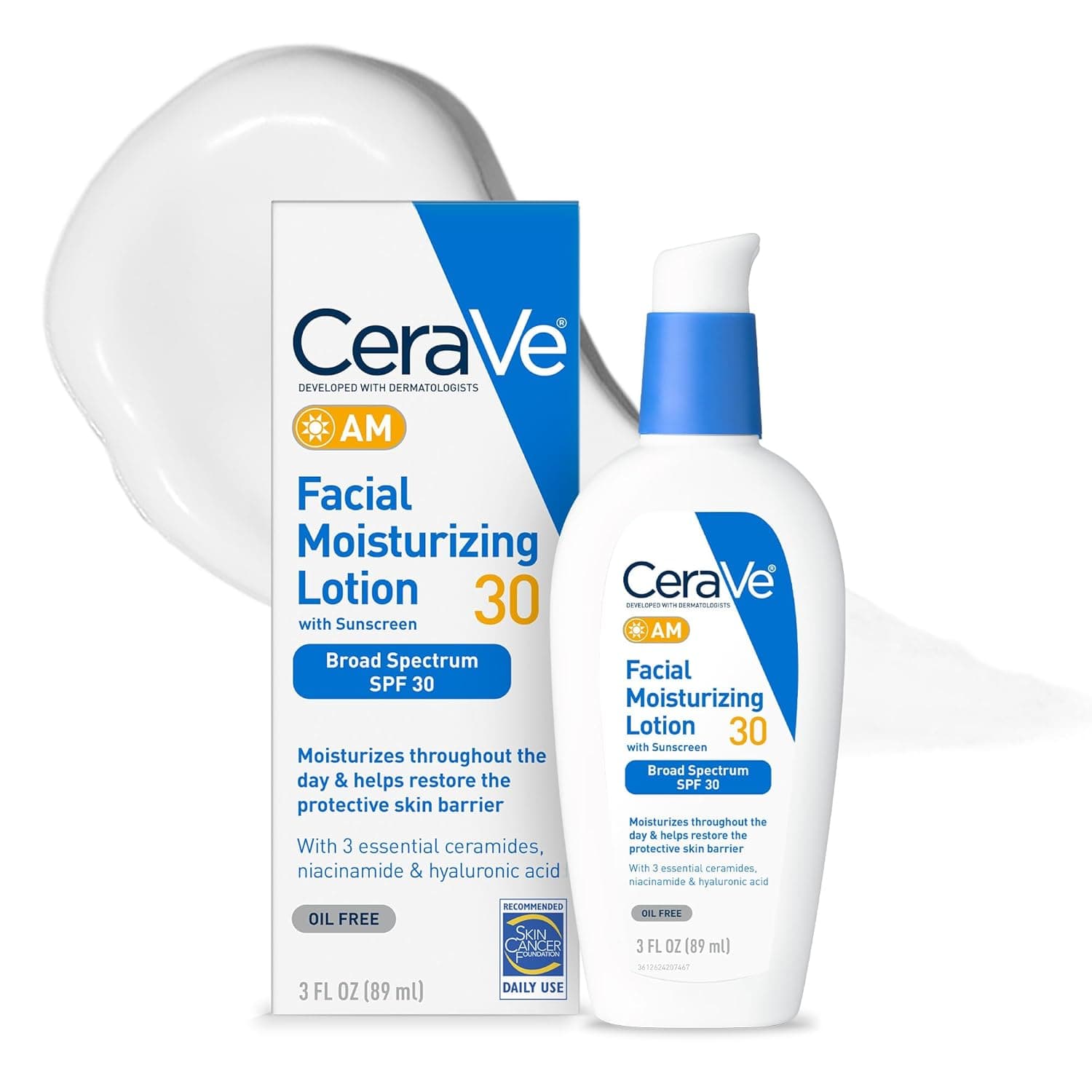
SPF 30
Malassezia: Medium RiskFragrance FreeAlcohol FreeContains OctinoxateEndocrine DisruptorsOwnership: Public Parent
$19.99Buy
4.5 ★ · 97.1k reviews
Updated
Synthetic dyes in sunscreen do nothing for your skin. They don't add UV protection and they don't condition — they make the product look more appealing in the bottle, or give it a tint that's purely decorative. For skin that reacts easily, that's an entirely optional ingredient carrying an entirely avoidable risk, which makes dye-free one of the simpler calls in a sensitive-skin routine.
The usual ones are azo and coal-tar colorants: CI 19140 (Yellow 5, also called tartrazine), CI 16035 (Red 40), CI 15985 (Yellow 6), and CI 42090 (Blue 1). Azo dyes — defined by a nitrogen-nitrogen bond in their structure — have a long documented history of contact dermatitis. Tartrazine is the standout: a recognised allergen that can also cross-react in people with aspirin sensitivity, which is a connection most people never think to make.
This distinction trips a lot of people up. Tinted sunscreens get their colour from iron oxides — CI 77491, 77492, and 77499 — which are mineral pigments with an excellent safety record. They're not synthetic dyes, they're not flagged by this filter, and they earn their place: iron oxides block some visible light, which genuinely helps with melasma and hyperpigmentation. A tinted mineral sunscreen is doing something useful with its colour. A neon-blue lotion is not.
Anyone with a known dye allergy, reactive or sensitive skin, a history of contact dermatitis, or aspirin sensitivity — that last group because of the tartrazine cross-reaction. It's also a sensible default for children's sunscreens, which are often dyed bright colours purely for shelf appeal. If you have a specific colorant you react to, our ingredients database lets you check individual products against it.
Purely for looks — to make the product more appealing in the bottle, give it a tint, or help it stand out on a shelf. Synthetic dyes contribute nothing to sun protection or skin health.
No. Iron oxides are mineral pigments, not synthetic dyes. They're used in tinted sunscreens for colour-matching and visible-light protection, have a strong safety record, and aren't flagged by the dye-free filter.
At typical cosmetic concentrations most are considered safe, but azo and coal-tar dyes have a documented record of contact dermatitis and allergic reactions in sensitised people. For sensitive skin, removing them simply takes one needless variable out of the formula.
Yes. Azo dyes such as Red 40 and tartrazine are among the more common allergens in cosmetic colorants, and reactions can include redness, itching, and contact dermatitis — most likely in people already prone to sensitivity.
135 sunscreens pass this filter
Combine with other filters on the full browse page.
4.5 ★ · 97.1k reviews
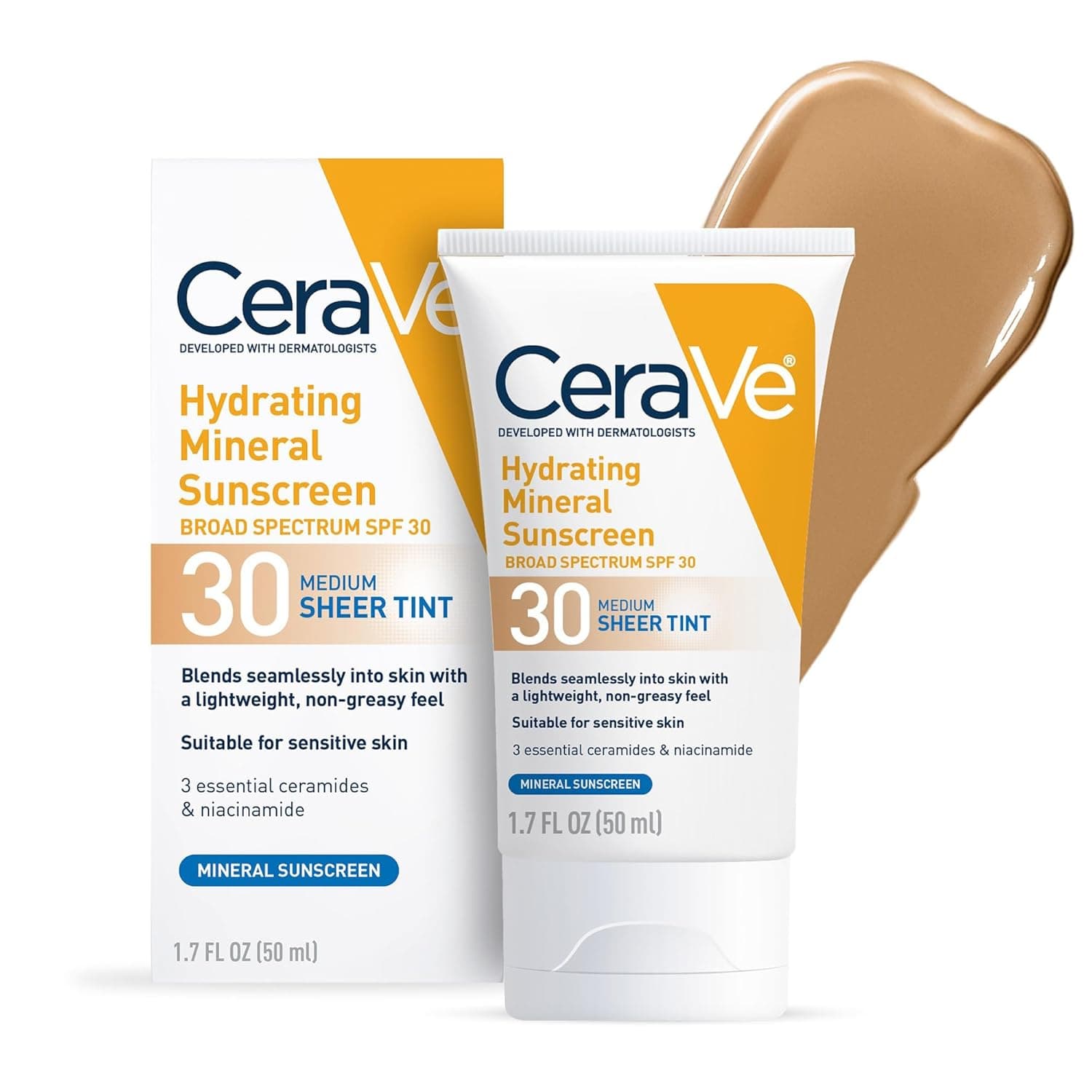
4.4 ★ · 70.8k reviews
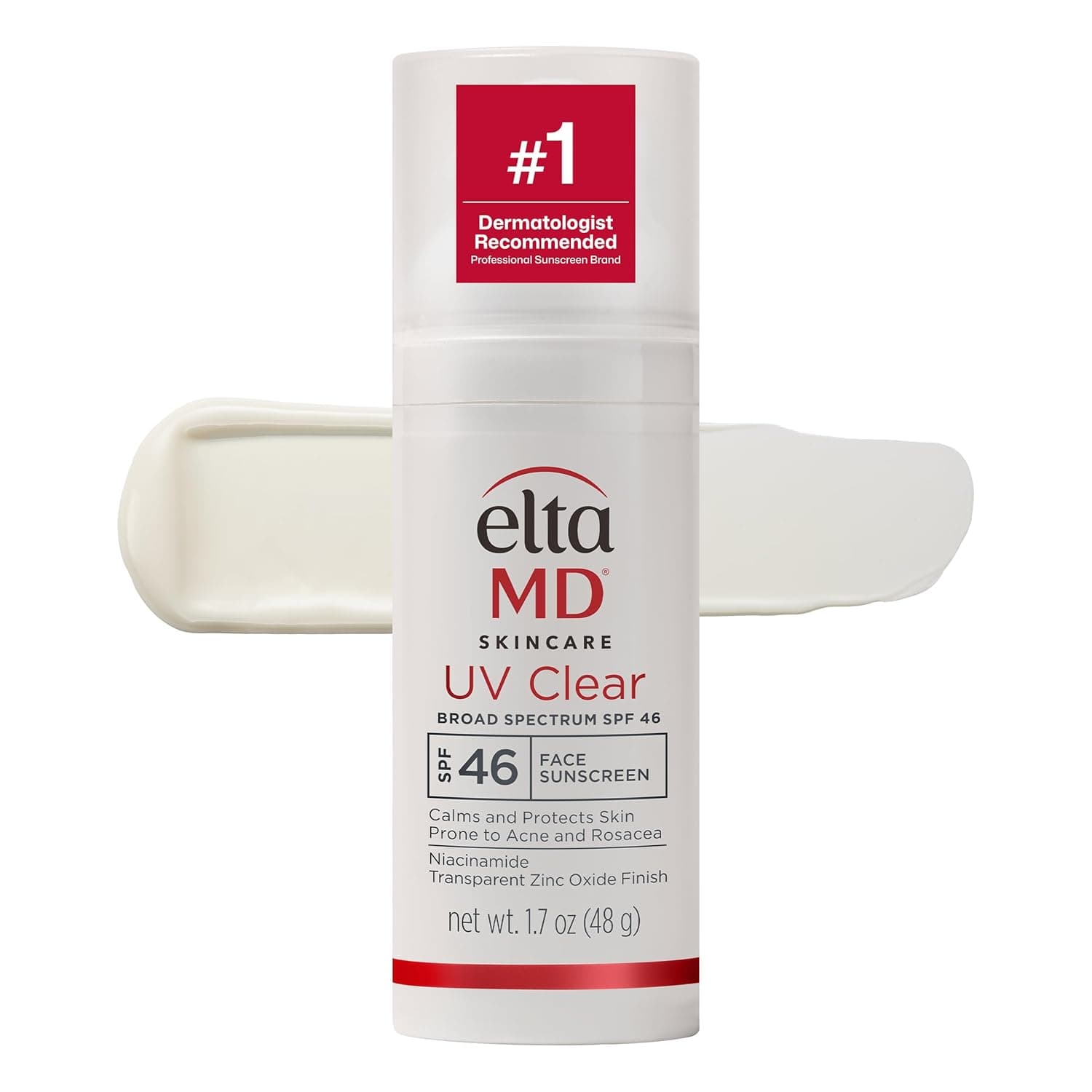
4.6 ★ · 47.5k reviews
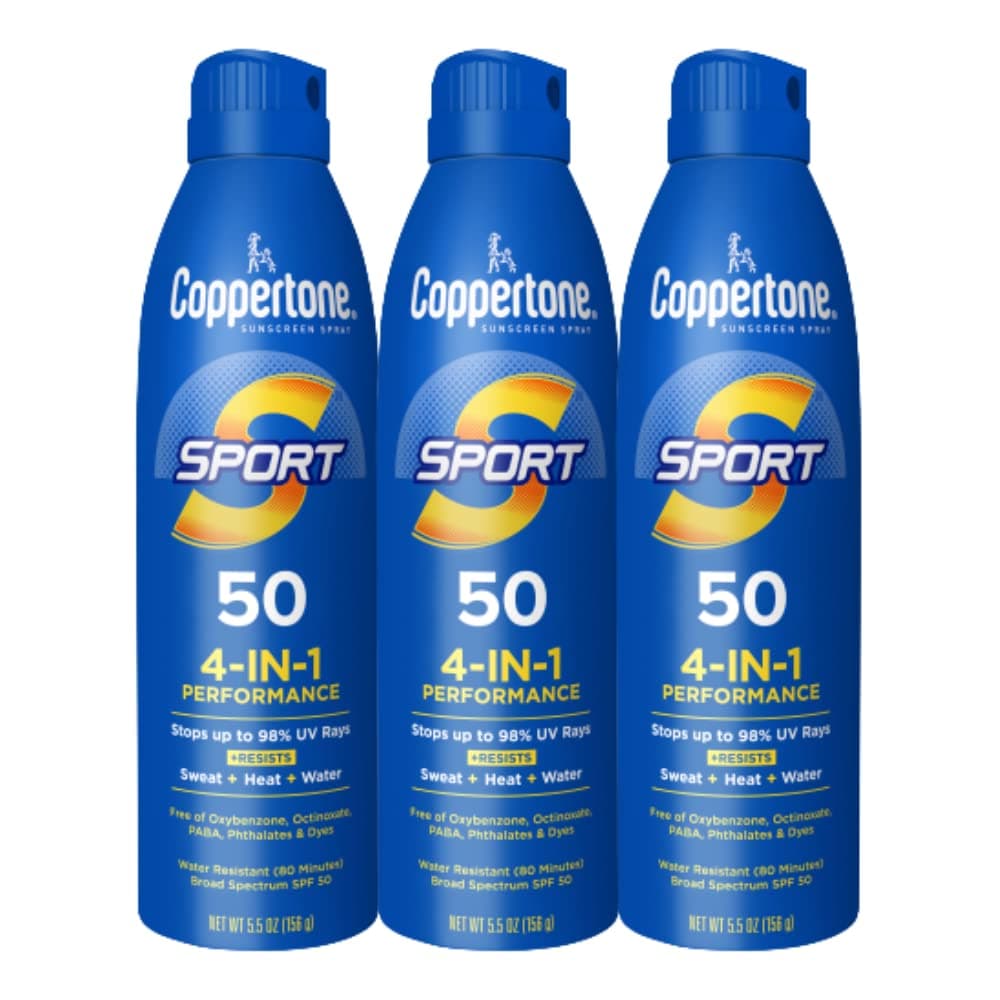
Coppertone
4.7 ★ · 38.7k reviews
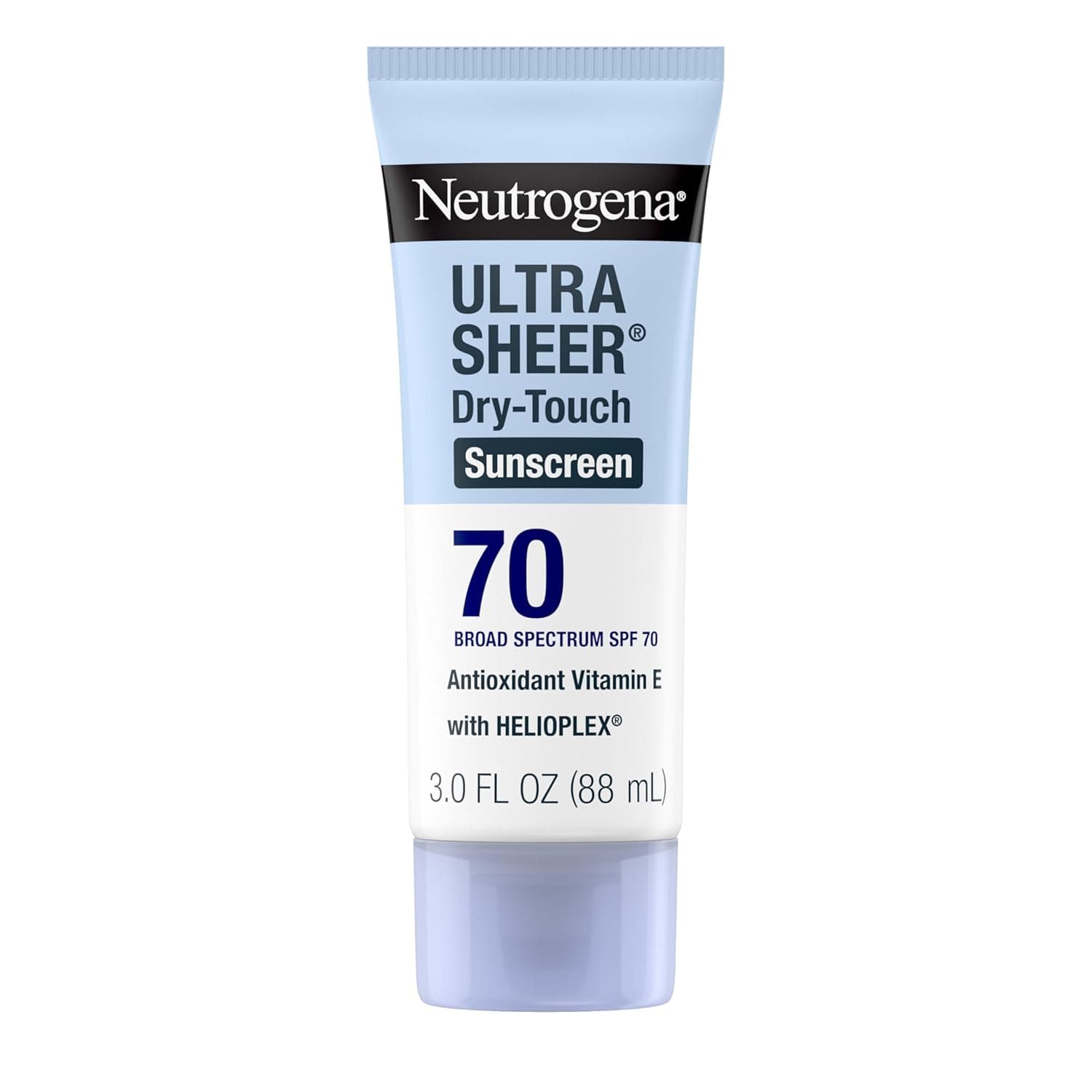
4.6 ★ · 37.4k reviews
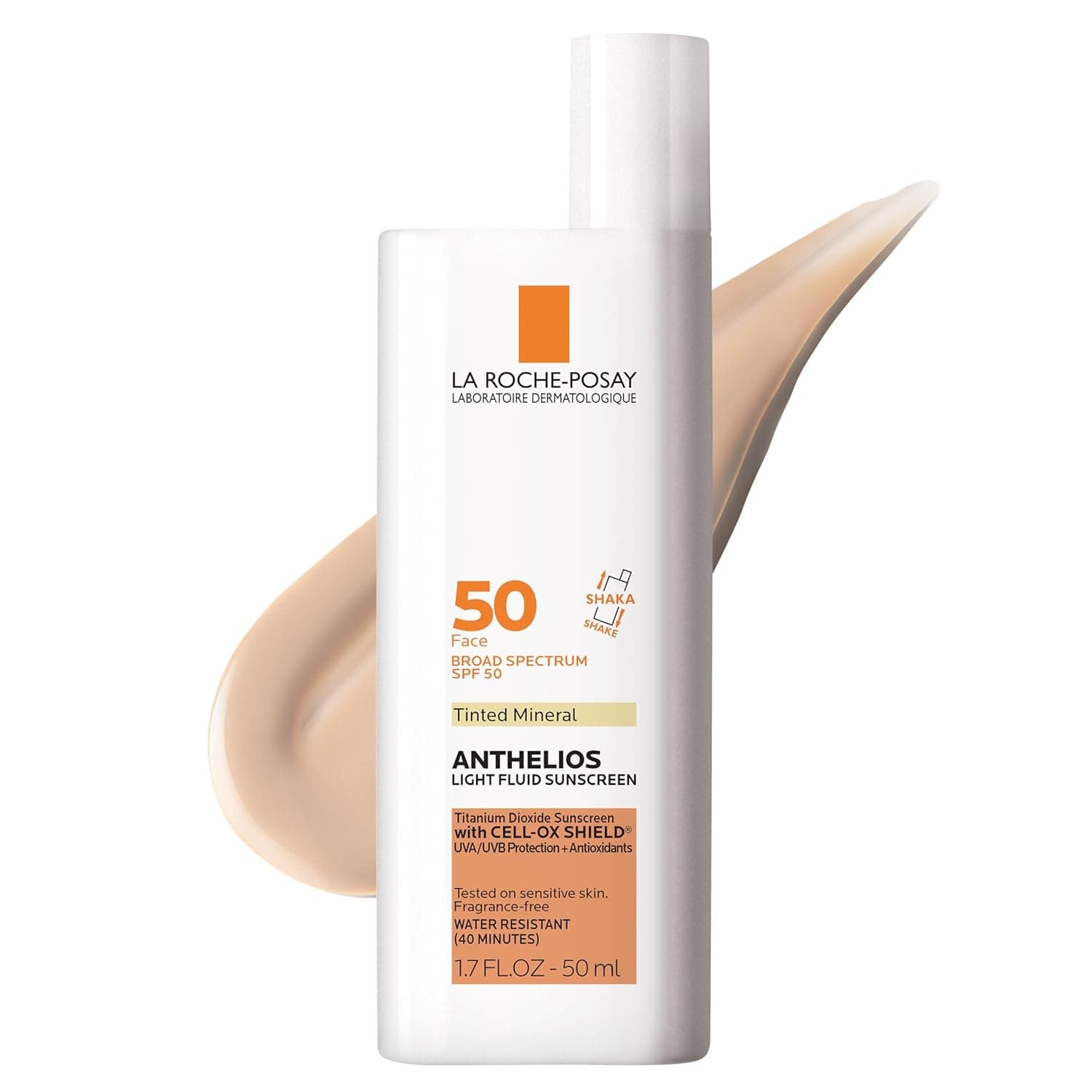
La Roche-Posay
4.5 ★ · 31k reviews
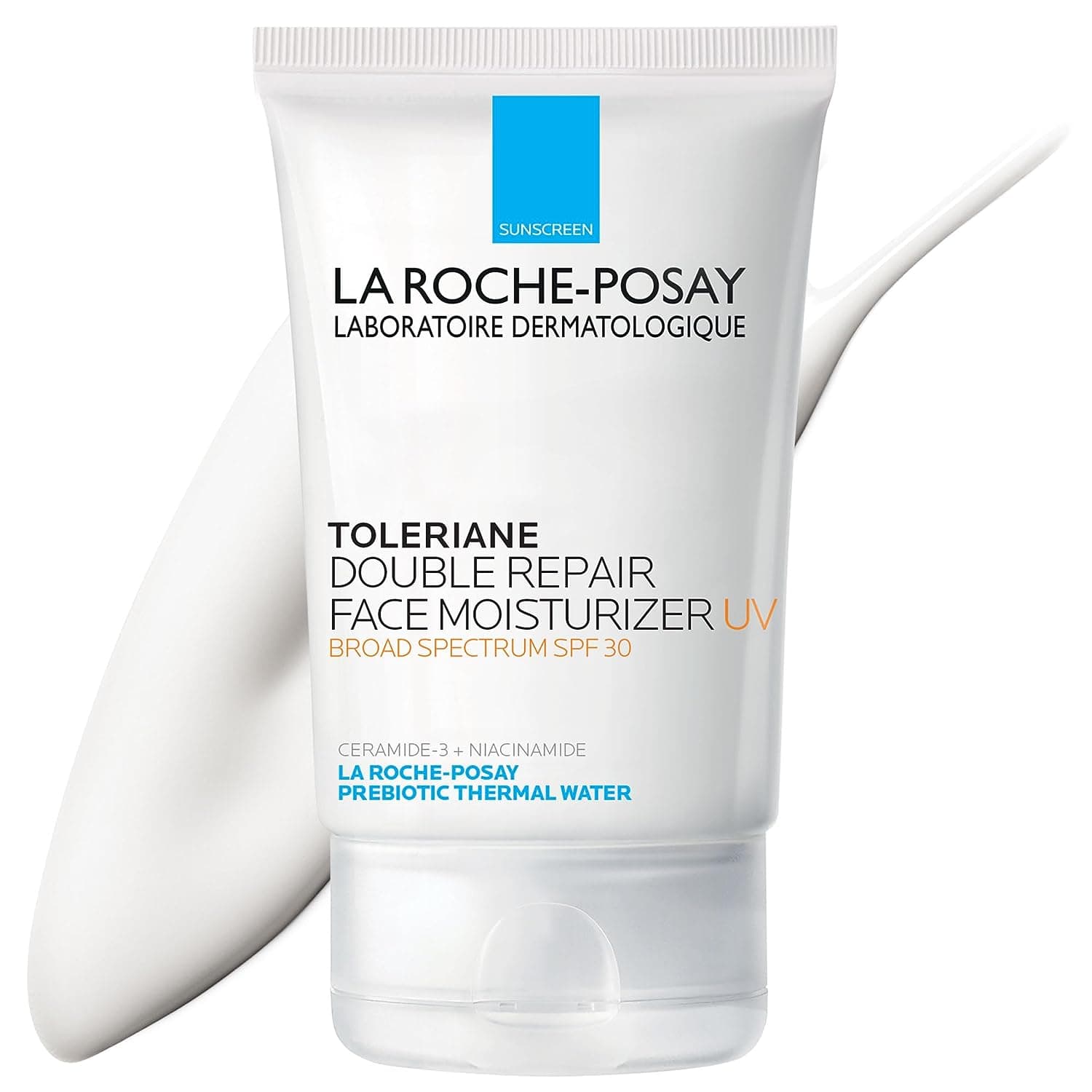
4.6 ★ · 28.2k reviews
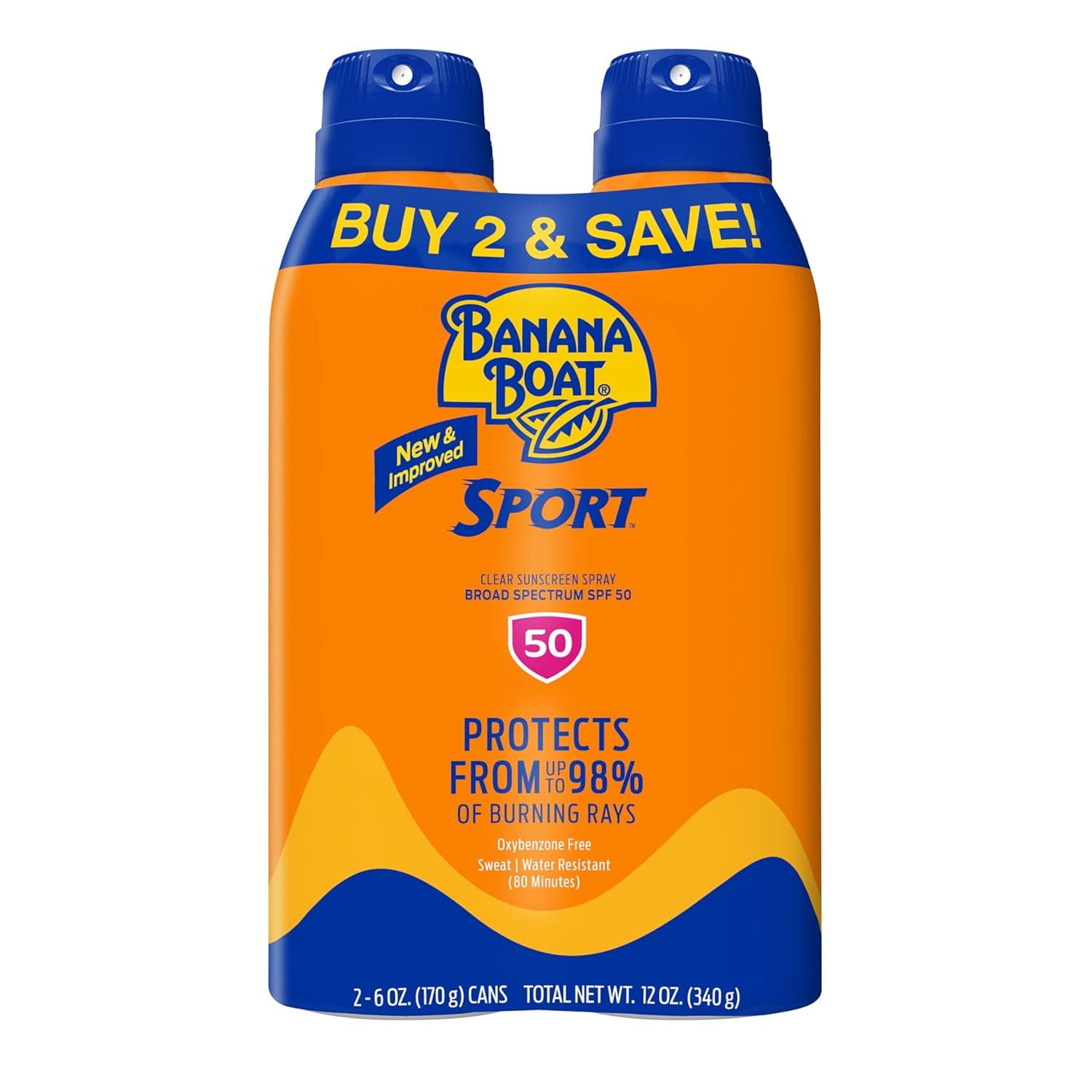
4.8 ★ · 25.5k reviews
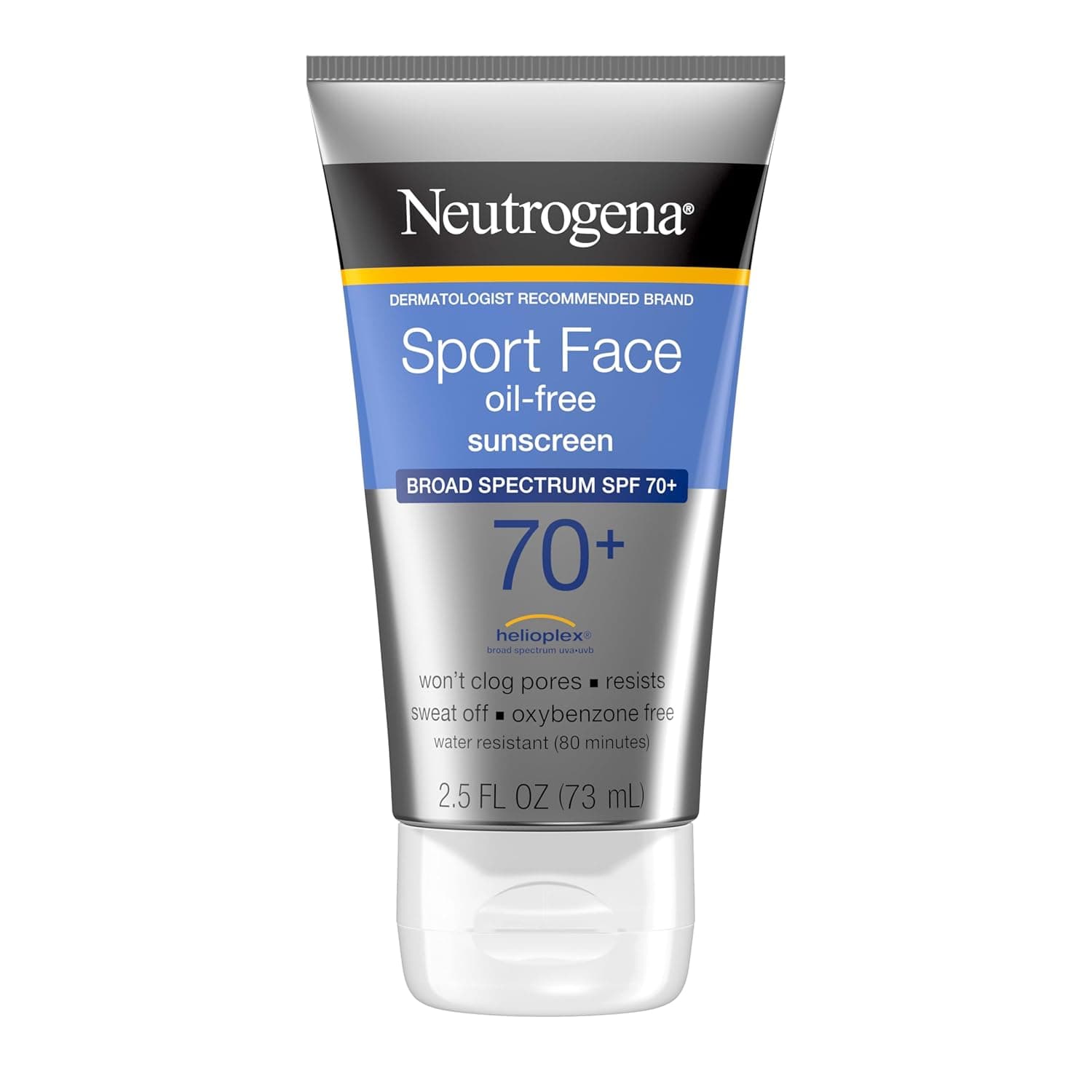
Neutrogena
4.6 ★ · 24.5k reviews
Genuinely fragrance-free sunscreens. We screen for parfum and fragrance, plus the individual fragrance allergens the EU requires by name — including the ones hiding in essential oils.
Sunscreens free of formaldehyde-releasing preservatives — DMDM hydantoin, quaternium-15, diazolidinyl urea — and the gentler preservative systems that replace them.
Sunscreens without drying alcohols like ethanol, alcohol denat, and isopropyl alcohol — and why the fatty alcohols on the same label are not the problem.