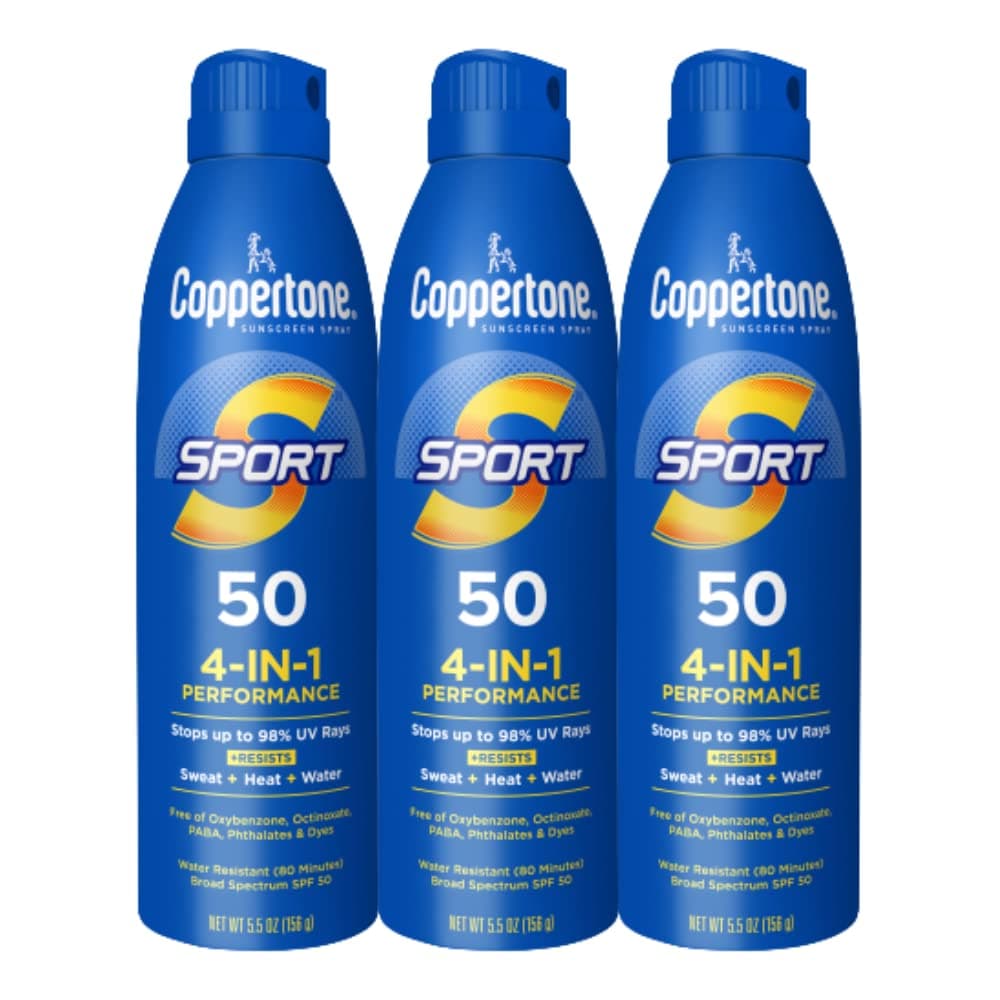
SPF 50
Coppertone
Coppertone Sport Sunscreen Spray SPF 50
Malassezia: Low RiskWater ResistantContains MicroplasticsSuspected EDCOwnership: Public Parent
$27.59Buy
4.7 ★ · 38.7k reviews
Updated
A standard sunscreen starts coming off the moment you swim or sweat through it. Water-resistant formulas are built differently: they use film-forming polymers that bind the UV filters to your skin so protection holds up under water. If you swim, surf, run, or spend long days outdoors, this isn't a nice-to-have label — it's a different category of product, and using a non-resistant sunscreen for those activities means you're effectively unprotected within minutes.
The FDA allows exactly two water-resistance claims, 40 minutes and 80 minutes, and both are earned through standardised testing — subjects are in water for the stated time, and the sunscreen's SPF is measured before and after. An 80-minute rating means stronger film-forming technology and is the one to look for if you'll be in the water for real. No sunscreen can be called "waterproof": the FDA banned that word in 2013 because it overstated how long protection lasts.
The rating is a ceiling, not a guarantee. Reapply after the rated time in water, immediately after towelling off, and after heavy sweating — whichever comes first. Towel-drying is the quiet protection-killer: dragging a towel across your skin strips the film-forming layer no matter how water-resistant the formula claims to be. Treat the 40 or 80 minutes as the maximum, and reapply on a schedule rather than waiting to feel exposed.
Water resistance comes from film formers — acrylates copolymers, VP polymers, silicone resins — that lay down a flexible layer keeping the UV filters anchored to your skin. That's also why water-resistant sunscreens often feel slightly tackier or more matte than everyday formulas. Worth knowing: several of those film formers are classified as microplastics, so if both water resistance and a low environmental footprint matter to you, you'll want to compare formulas carefully rather than assume.
It's how long the formula holds its SPF during continuous water exposure in FDA testing. 80-minute formulas use stronger film formers and are the right choice for swimming or surfing. 40-minute formulas are fine for general sweating or brief, incidental water contact.
No. The FDA banned "waterproof" for sunscreens in 2013 because no sunscreen fully resists water. Every sunscreen washes off eventually — water resistance only extends how long it lasts, it doesn't make it permanent.
After the rated 40 or 80 minutes in water, right after you towel off, after heavy sweating, and at least every two hours in continuous sun — whichever comes first. Towelling off in particular removes the protective film, so reapply even if you've been in the water less than the rated time.
Yes. Water resistance depends on the film formers, not the UV filter, so plenty of mineral sunscreens carry an 80-minute rating. A mineral 80-minute formula is a strong pick for ocean swimming because it's reef-safe as well.
68 sunscreens pass this filter
Combine with other filters on the full browse page.
Coppertone
4.7 ★ · 38.7k reviews
4.6 ★ · 37.4k reviews
La Roche-Posay
4.5 ★ · 31k reviews
4.8 ★ · 25.5k reviews
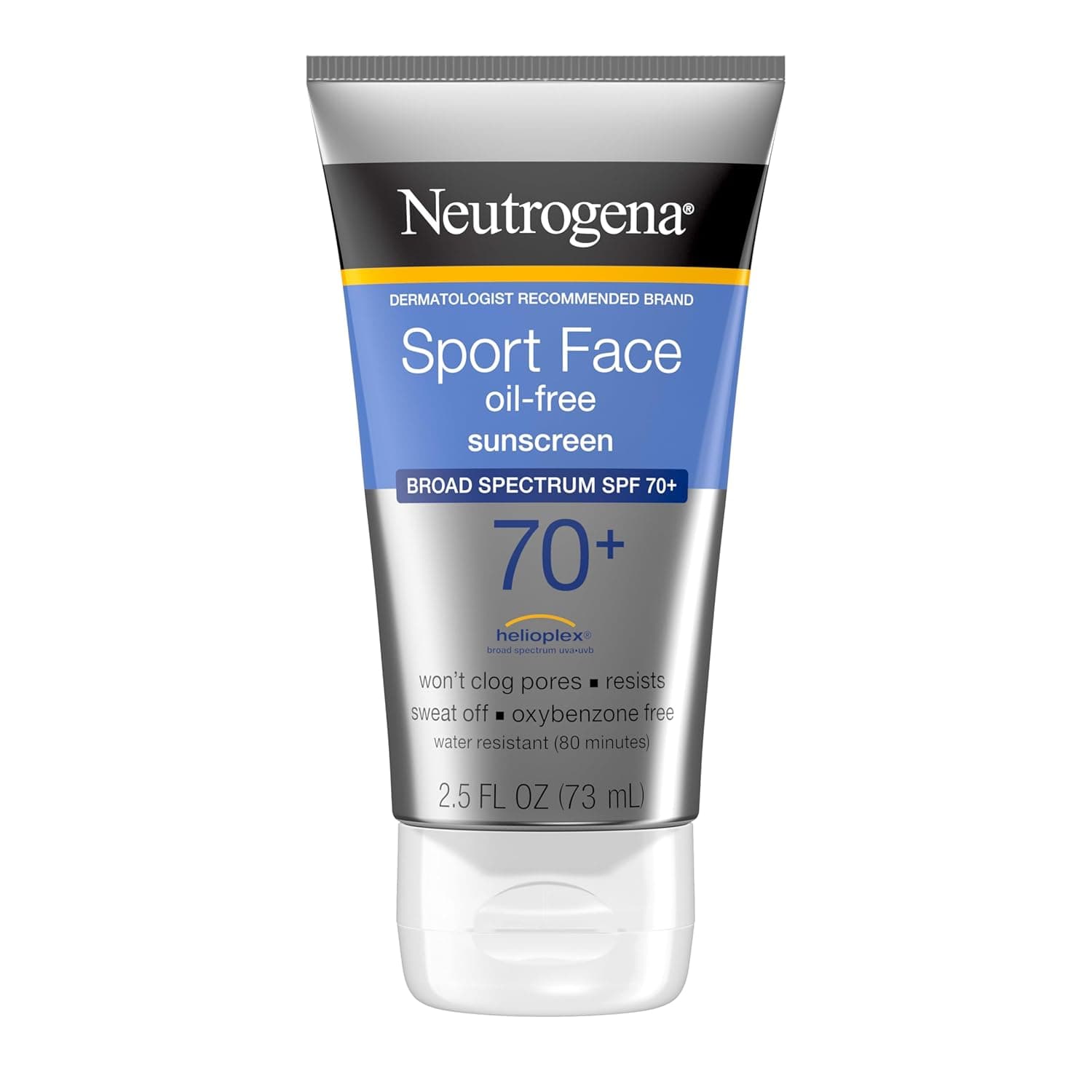
Neutrogena
4.6 ★ · 24.5k reviews
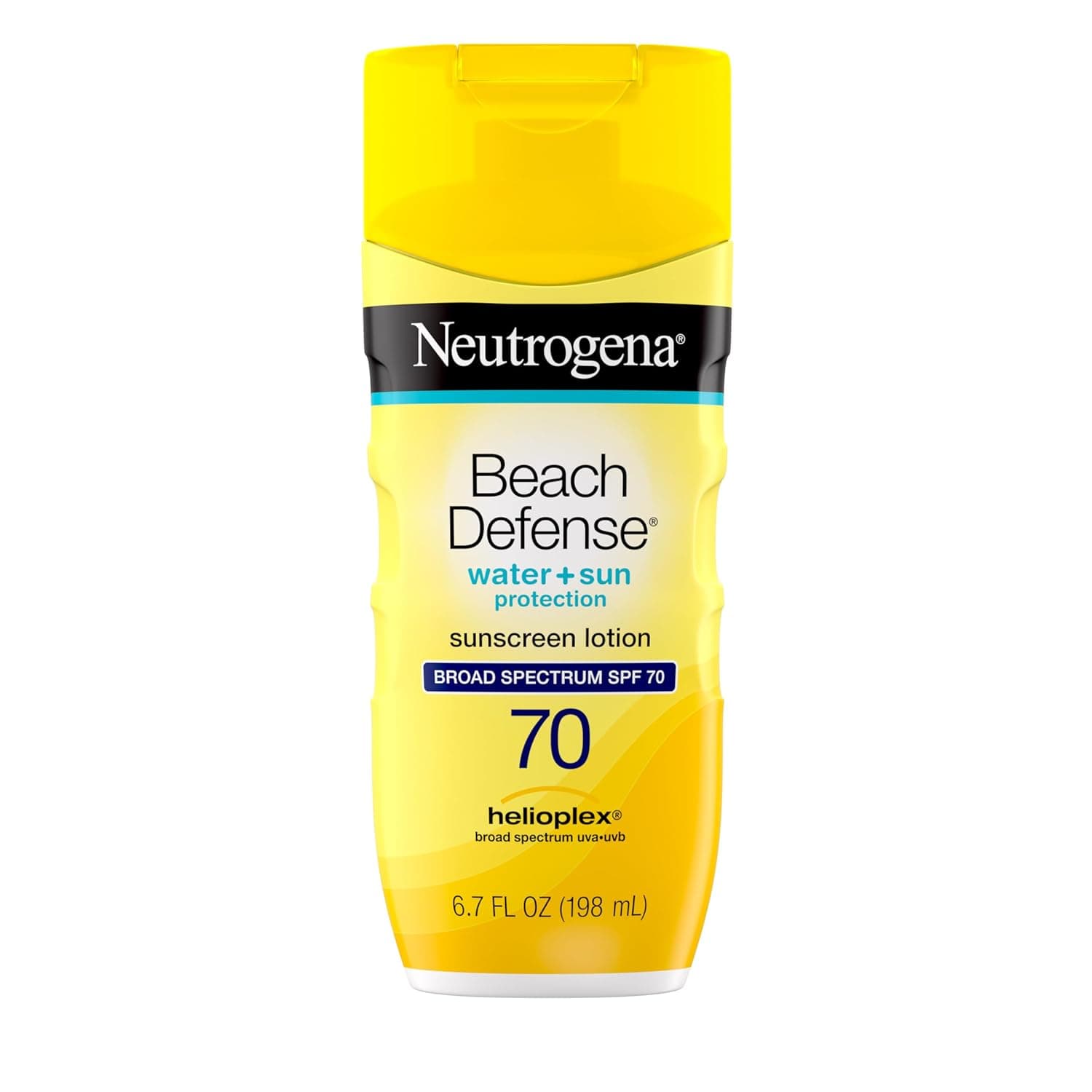
4.7 ★ · 23.2k reviews
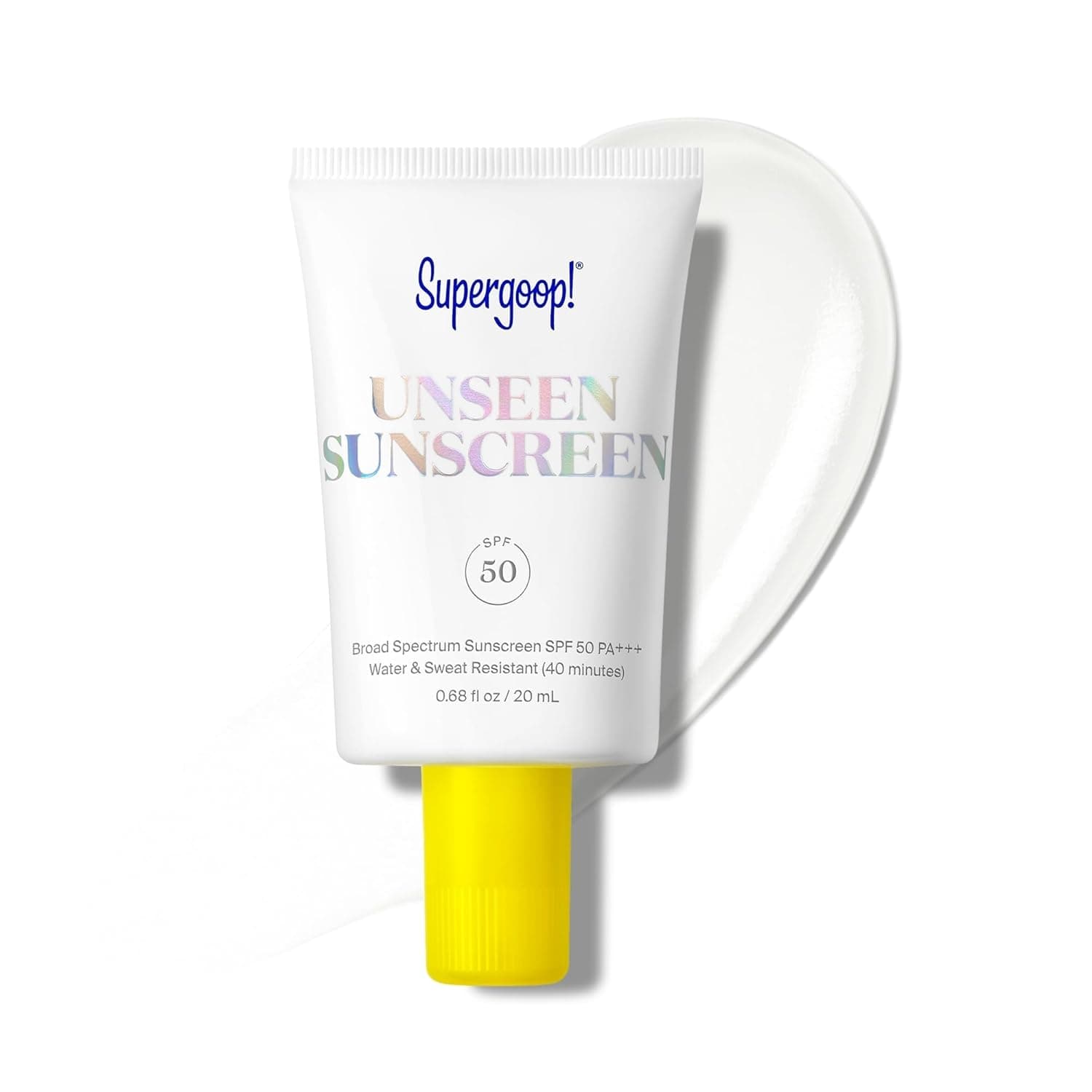
Supergoop!
4.6 ★ · 19k reviews
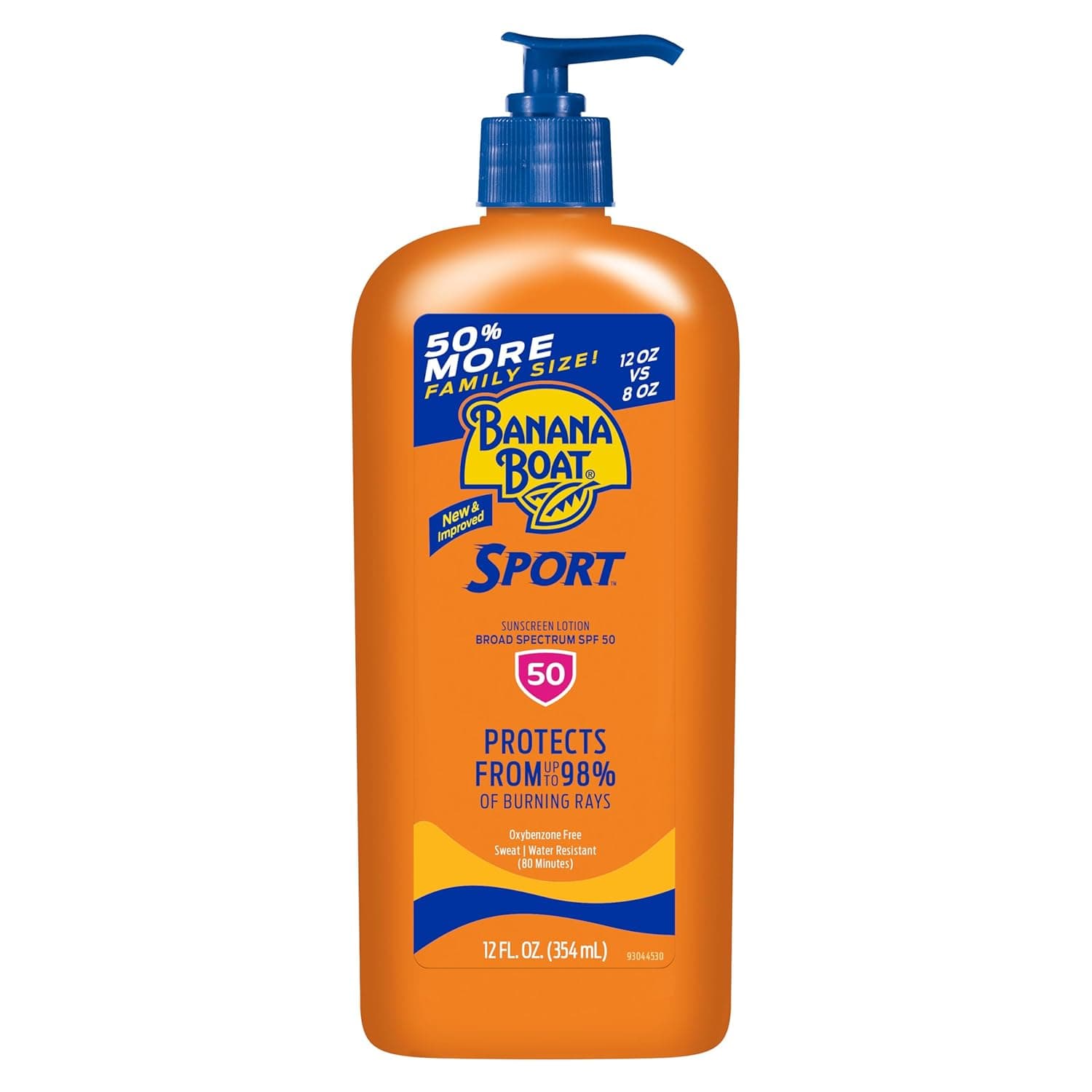
4.6 ★ · 15.3k reviews
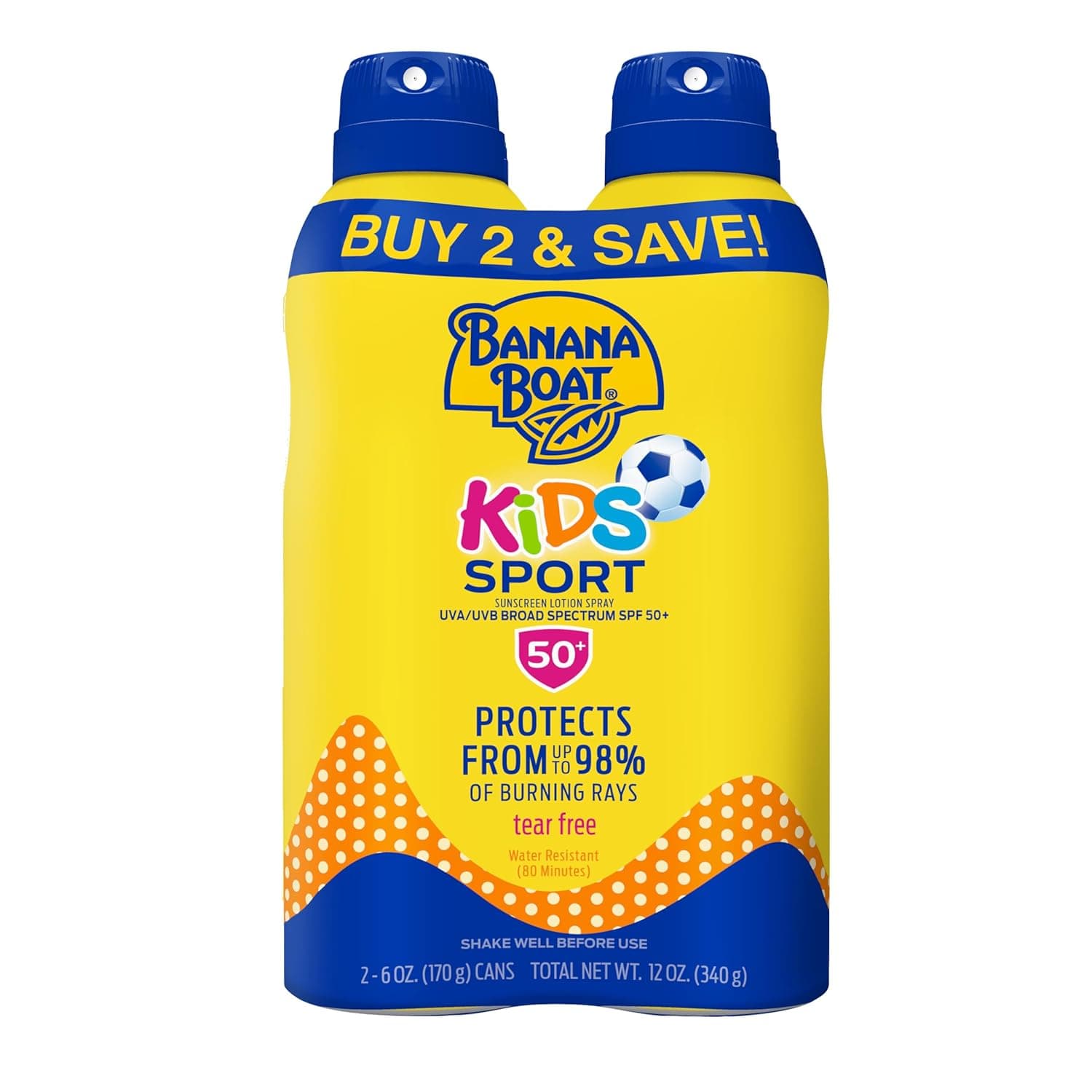
4.7 ★ · 14.8k reviews
Mineral (physical) sunscreens that use only zinc oxide and titanium dioxide — no chemical UV filters. How they differ from chemical sunscreens and how to dodge white cast.
Sunscreens free of oxybenzone and octinoxate — the two UV filters with the strongest evidence of coral harm and the broadest bans, from Hawaii to Palau.