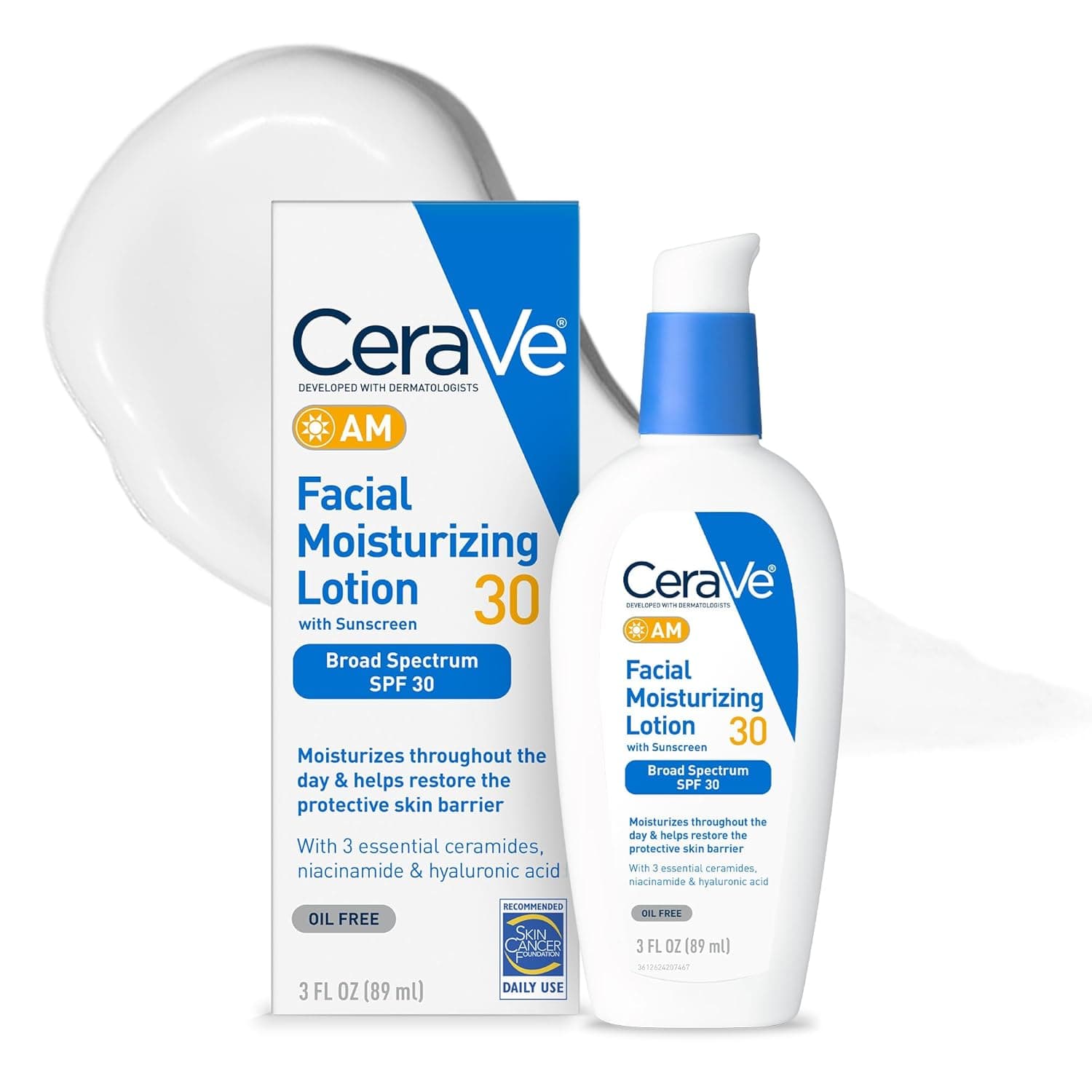
SPF 30
Malassezia: Medium RiskFragrance FreeAlcohol FreeContains OctinoxateEndocrine DisruptorsOwnership: Public Parent
$19.99Buy
4.5 ★ · 97.1k reviews
Updated
Microplastics in cosmetics aren't the scrub beads most people picture — those were banned from rinse-off products years ago. The ones still in wide use are the polymers that quietly improve texture: film formers that help a sunscreen stay put, thickeners that give it body, agents that make it glide on without a greasy finish. They work well, which is exactly why they're everywhere. The problem is that they're solid synthetic plastics that don't biodegrade, and they wash off your skin into the water with every swim and shower.
Not every ingredient with a polymer-sounding name is a microplastic, and getting this wrong is the most common mistake in "clean" marketing. A microplastic is a solid, insoluble synthetic polymer particle. Polyethylene, nylon-12, and the acrylates copolymers qualify. So do solid silicone elastomers — the crosspolymer forms. What does not qualify: water-soluble polymers like carbomer, PEG, and PVP, and liquid silicones like dimethicone and cyclopentasiloxane. They dissolve or evaporate rather than persisting as particles, so our filter leaves them alone.
We check each ingredient against the Beat the Microbead RED list — the definitive register of solid synthetic polymer particles in cosmetics — cross-referenced with the polymer classes named in the EU's microplastics restriction. If a product contains any flagged polymer, it's out. This is a strict, particle-based definition, which is why some products marketed as "reef friendly" or "natural" still don't pass: a film former two-thirds of the way down the ingredient list is still a film former.
The EU's Regulation 2023/2055 is phasing intentionally added microplastics out of cosmetics on a staggered timeline that runs into the 2030s, and several US states are drafting their own rules. Microplastics have been detected in human blood, lung tissue, and breast milk, and the long-term health picture is still being worked out. The clearer issue is environmental: these polymers don't break down, they accumulate in waterways and marine food chains, and a sunscreen is a product you deliberately rinse into the ocean.
A solid, insoluble synthetic polymer particle that resists biodegradation. In sunscreens that mostly means polyethylene, nylons, and acrylate copolymers and crosspolymers used as film formers and texture agents. The EU's definition also sets a size ceiling of 5mm, which all cosmetic polymers fall well under.
Mostly no. Liquid silicones like dimethicone and cyclopentasiloxane don't meet the solid-particle definition — one is a liquid, the other evaporates. Only the solid silicone elastomers, the crosspolymer forms, are flagged. Silicones have their own environmental discussion, but it's separate from the microplastic question.
No. Carbomer is a crosslinked polyacrylic acid, but it forms a water-soluble gel rather than a solid particle, so it isn't on the Beat the Microbead RED list and our filter doesn't flag it. This is a frequent point of confusion — the acrylate copolymers used as film formers are flagged; carbomer used as a gelling agent is not.
They make formulas perform better. Film formers help UV filters stay on through sweat and water, and polymer texture agents give a light, silky finish that pure mineral or oil-based formulas struggle to match. They're an inexpensive way to upgrade feel and water resistance at once.
17 sunscreens pass this filter
Combine with other filters on the full browse page.
4.5 ★ · 97.1k reviews
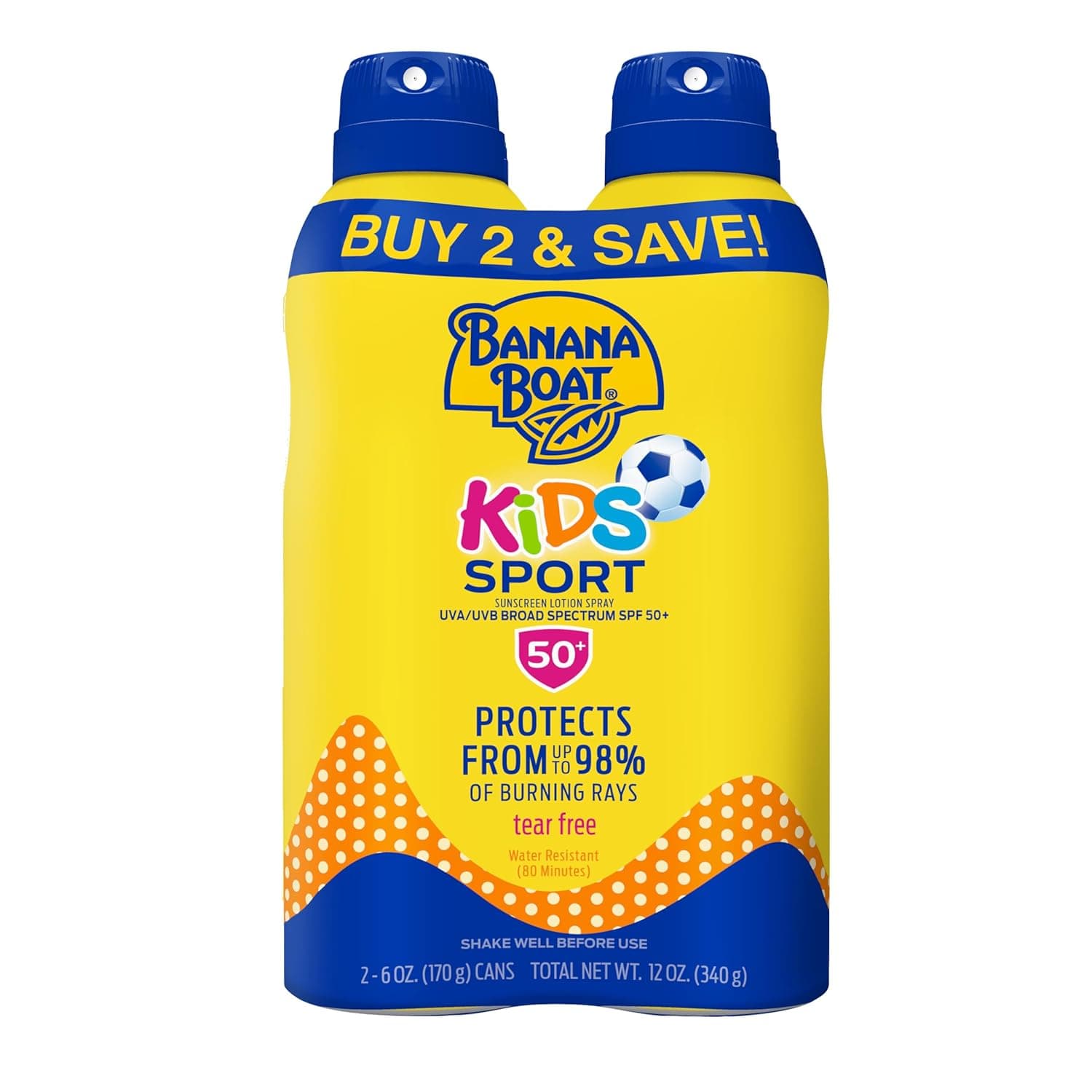
4.7 ★ · 14.8k reviews
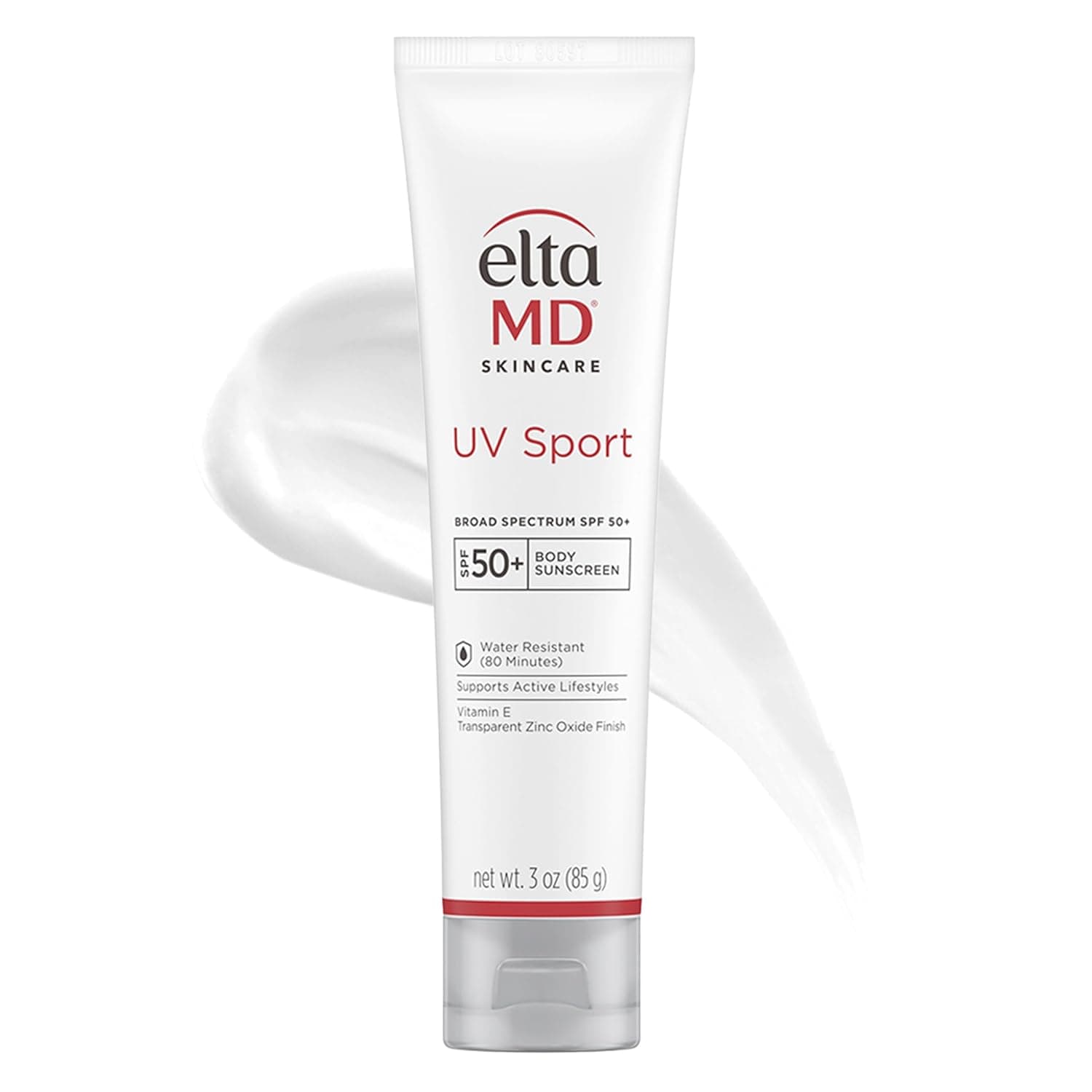
4.7 ★ · 13k reviews
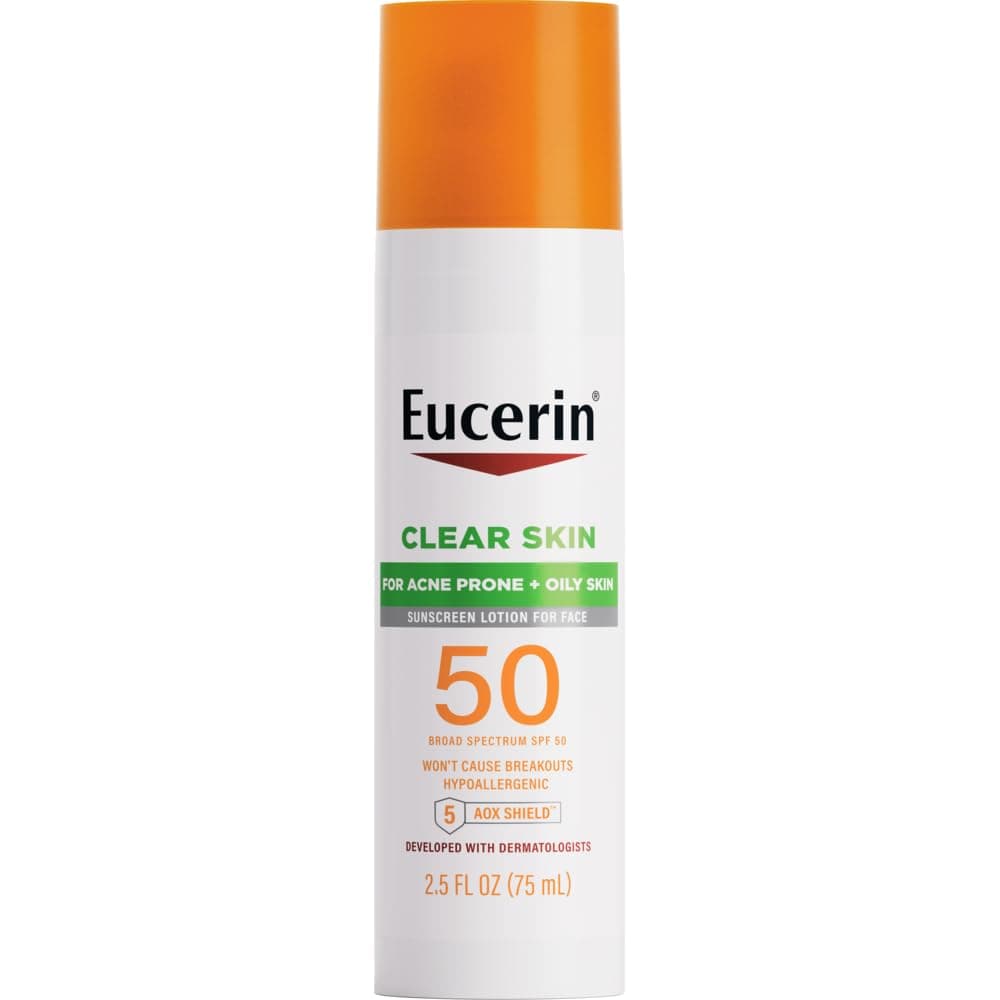
4.6 ★ · 9.5k reviews
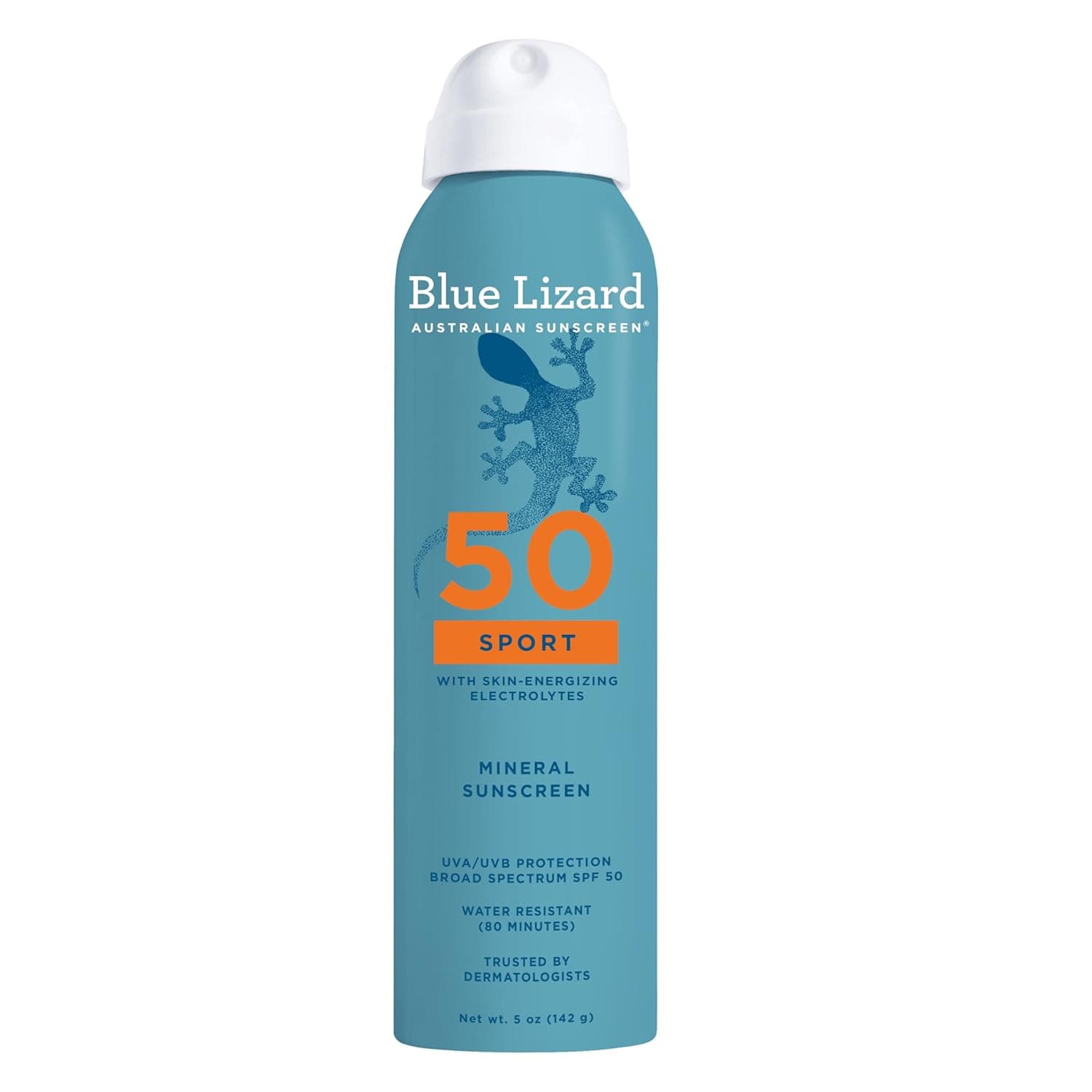
4.0 ★ · 9.4k reviews
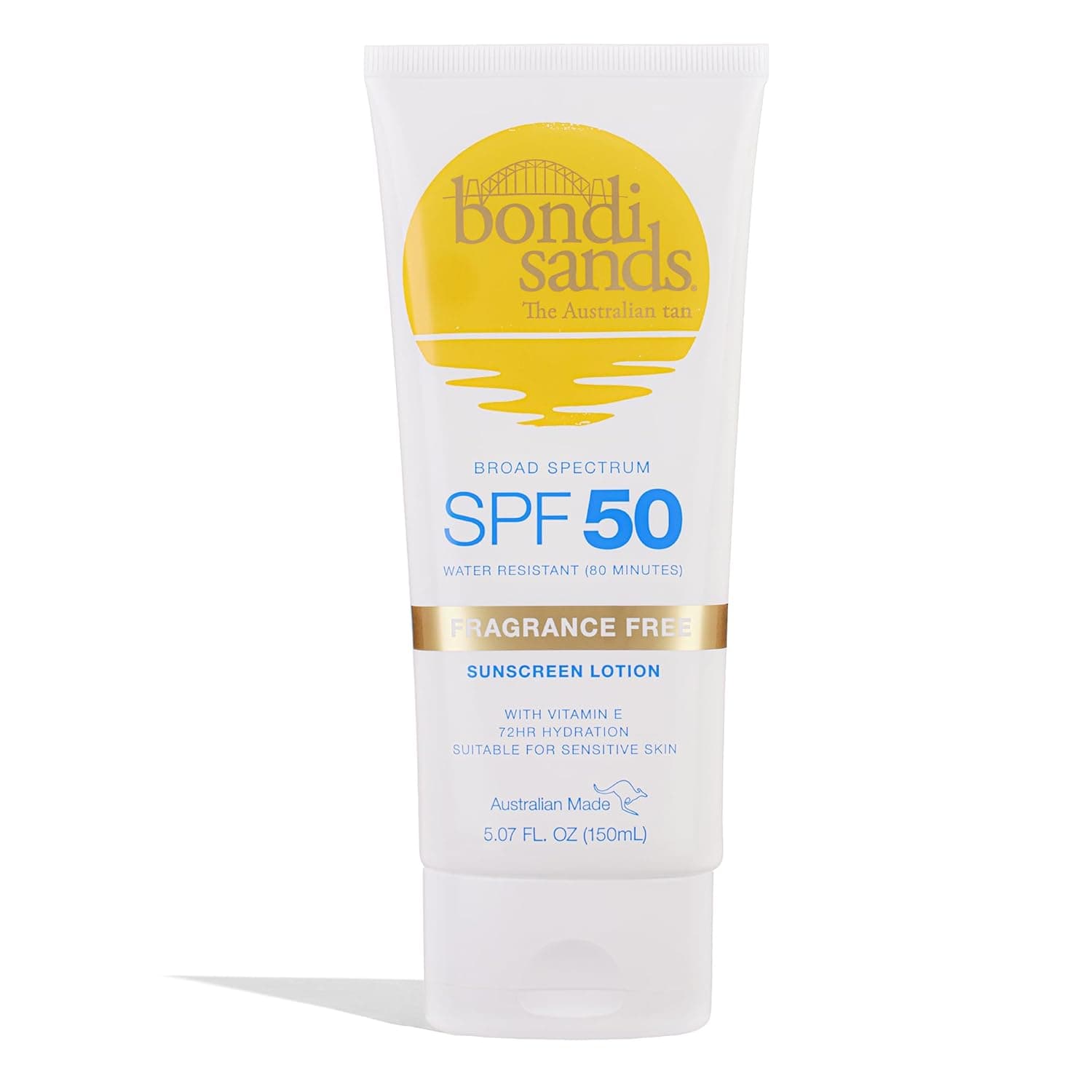
4.6 ★ · 2.2k reviews
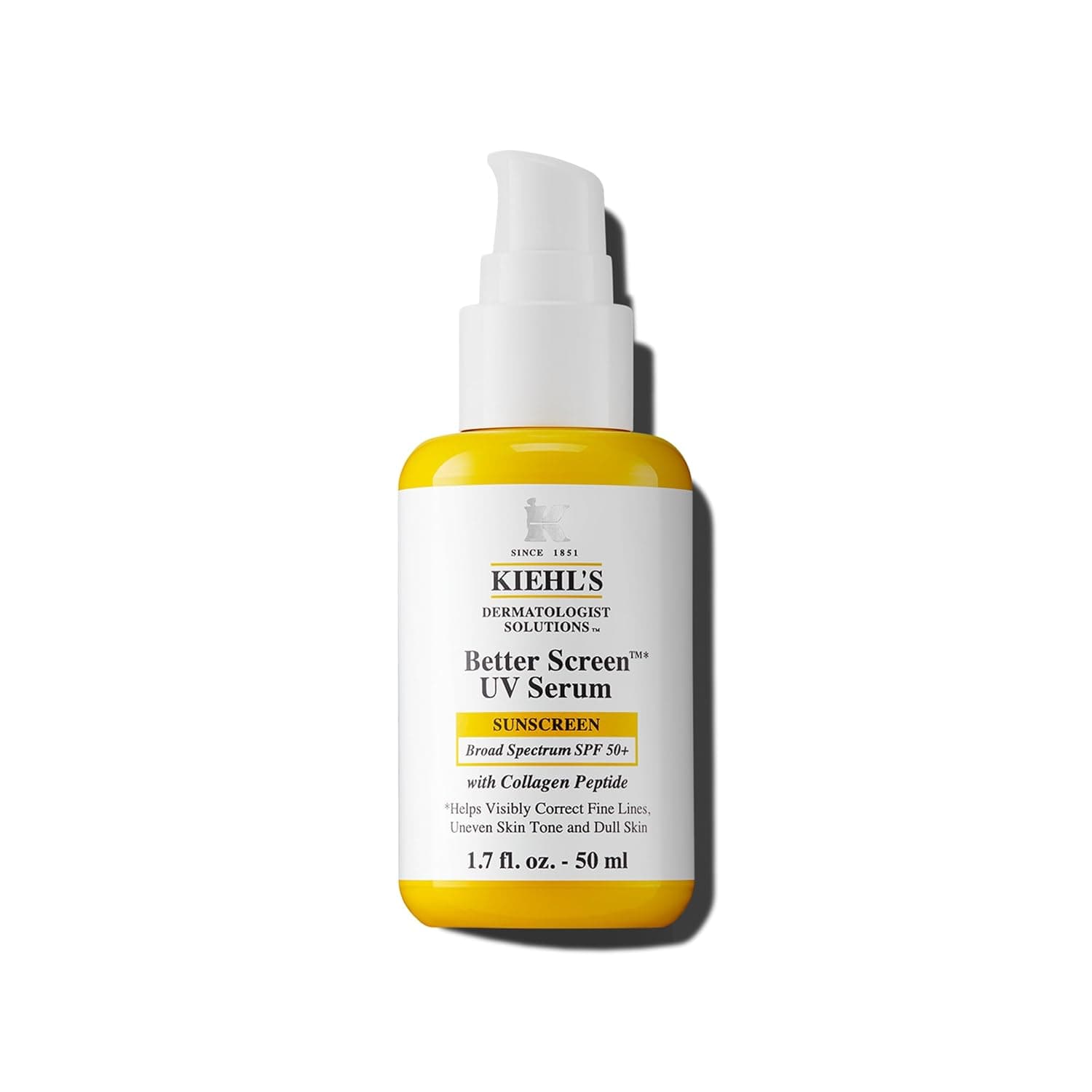
4.6 ★ · 1.2k reviews
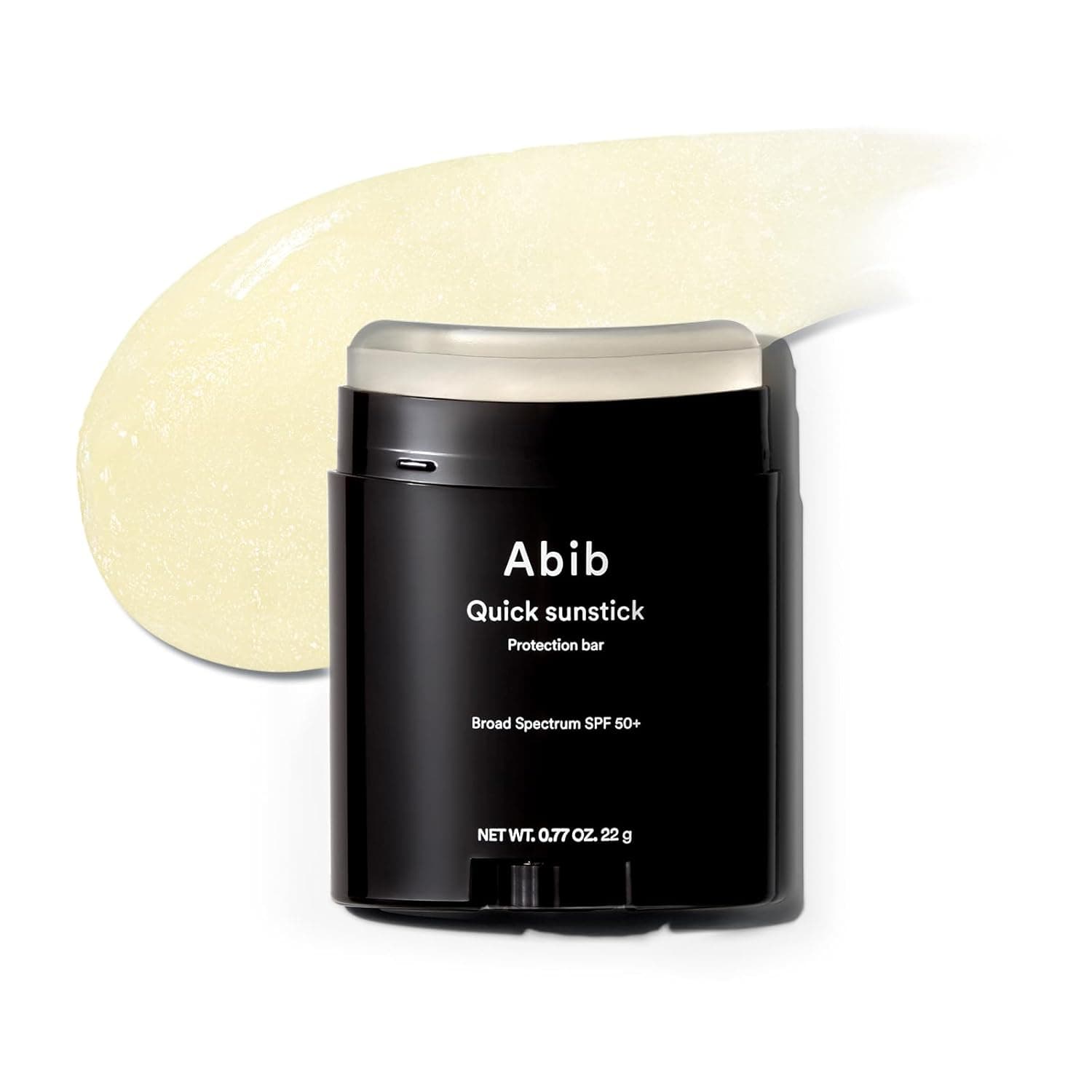
4.5 ★ · 1.1k reviews
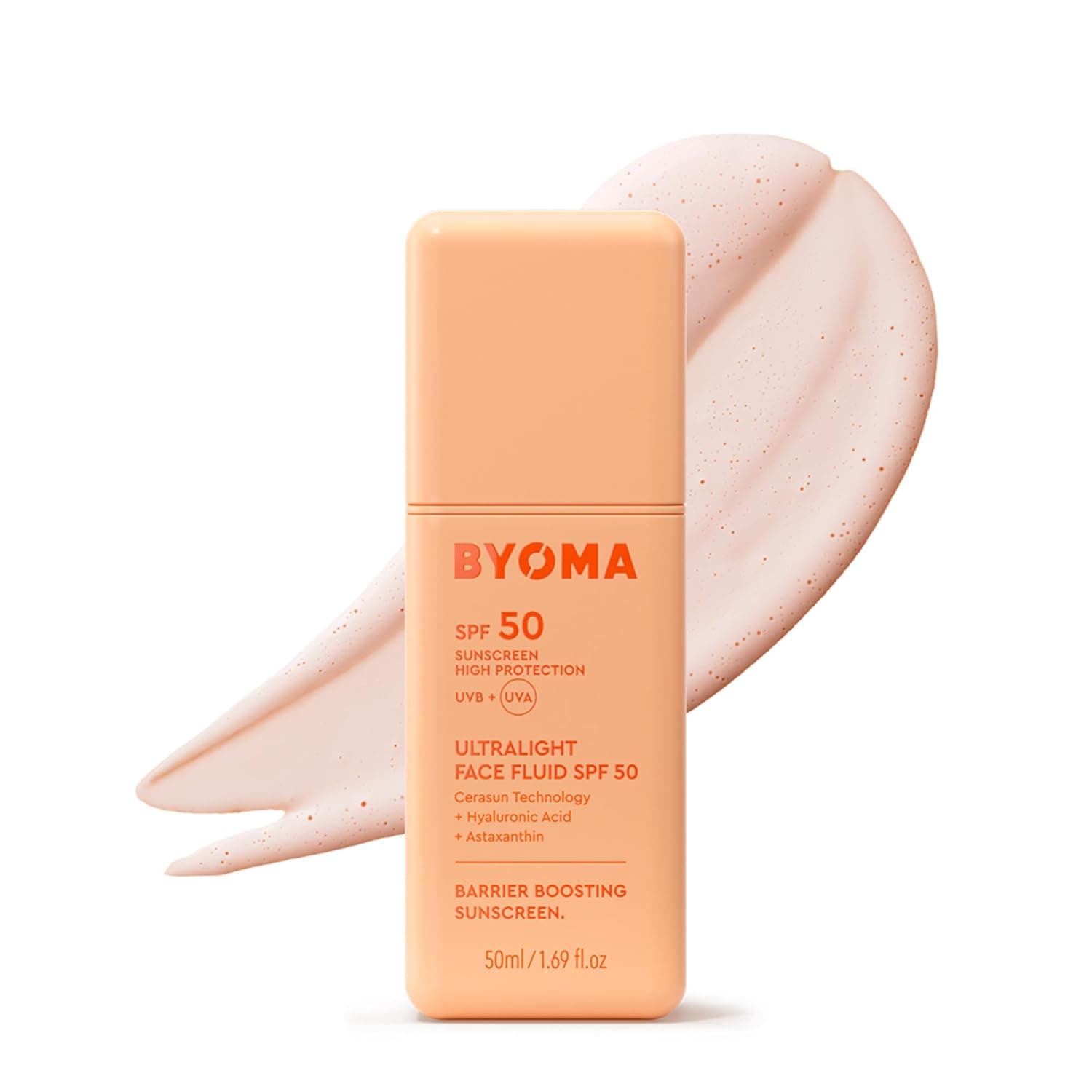
4.5 ★ · 1.1k reviews
Sunscreens free of oxybenzone and octinoxate — the two UV filters with the strongest evidence of coral harm and the broadest bans, from Hawaii to Palau.
Mineral (physical) sunscreens that use only zinc oxide and titanium dioxide — no chemical UV filters. How they differ from chemical sunscreens and how to dodge white cast.