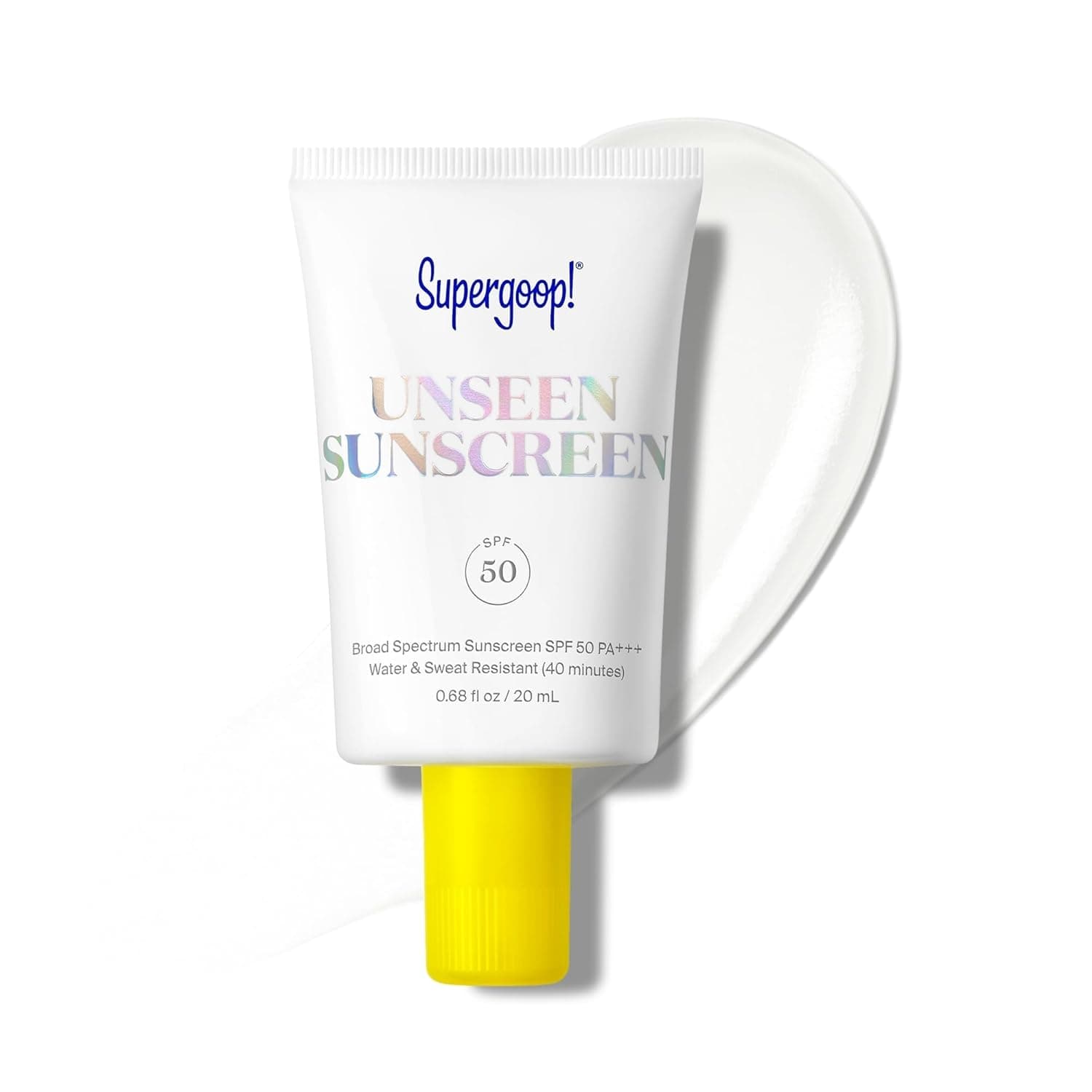
SPF 50PA+++
Supergoop!
Supergoop! Unseen Sunscreen
Malassezia: Low RiskFragrance FreeAlcohol FreeCruelty FreeVeganWater ResistantContains MicroplasticsSuspected EDCOwnership: PE-Owned
$19.00Buy
4.6 ★ · 19k reviews
Updated
A cruelty-free sunscreen comes from a brand that doesn't test on animals — not the finished product, not the individual ingredients, and ideally not anywhere in the supply chain. Cosmetic animal testing has been banned in the EU since 2013, with similar bans now in place across the UK, Australia, Canada, and a growing list of US states. The complications that remain are mostly about one market and a few certification technicalities.
Mainland China historically required animal testing for imported cosmetics, which put any brand selling there in conflict with cruelty-free status. The rules have loosened since 2021 — many "ordinary" cosmetics can now qualify for testing exemptions — but the situation is still genuinely complicated. A brand that manufactures inside China, or that has navigated the new exemption pathways, may legitimately be cruelty-free; a brand selling imported product through standard retail there generally is not. This is why cruelty-free status can't be read off a brand's marketing alone.
Two certifications carry real weight. Leaping Bunny is the strictest — it requires brands to verify cruelty-free status all the way down their ingredient supply chain and submit to ongoing audits. PETA's Beauty Without Bunnies applies a similar standard. A brand's own "cruelty-free" claim, with no third-party certification behind it, is harder to verify and easier to walk back quietly. When a brand is certified, the logo on the box is doing real work; when it isn't, you're trusting the marketing department.
Our cruelty-free flag is set at the brand level, drawn from Leaping Bunny and PETA's published lists plus brand disclosures, and we keep a curated list of brands with confirmed status. We update it as brands enter or leave certification programs — status does change, usually when a brand is acquired or enters a new market. If a brand on the site looks mislabelled to you, it's worth flagging, because this is exactly the kind of data that drifts.
That neither the finished product nor its ingredients were tested on animals at any development stage. The strongest definitions go further: no supplier in the ingredient chain tested on animals, and the brand doesn't sell into markets that mandate animal testing.
Sometimes, now. Since 2021 China has allowed exemptions for many ordinary cosmetics, and brands that manufacture locally can avoid import-testing rules. But a brand selling imported product through standard retail in mainland China generally can't hold strict cruelty-free certification. It's a case-by-case question.
Leaping Bunny is the gold standard — it audits the full supply chain and requires recommitment over time. PETA's Beauty Without Bunnies is also well-regarded. Both are stronger signals than an uncertified brand simply printing "cruelty-free" on the package.
No. Cruelty-free is about testing methods; vegan is about whether the formula contains animal-derived ingredients. A product can be one without the other — see our vegan sunscreens guide for that side of it.
54 sunscreens pass this filter
Combine with other filters on the full browse page.
Supergoop!
4.6 ★ · 19k reviews
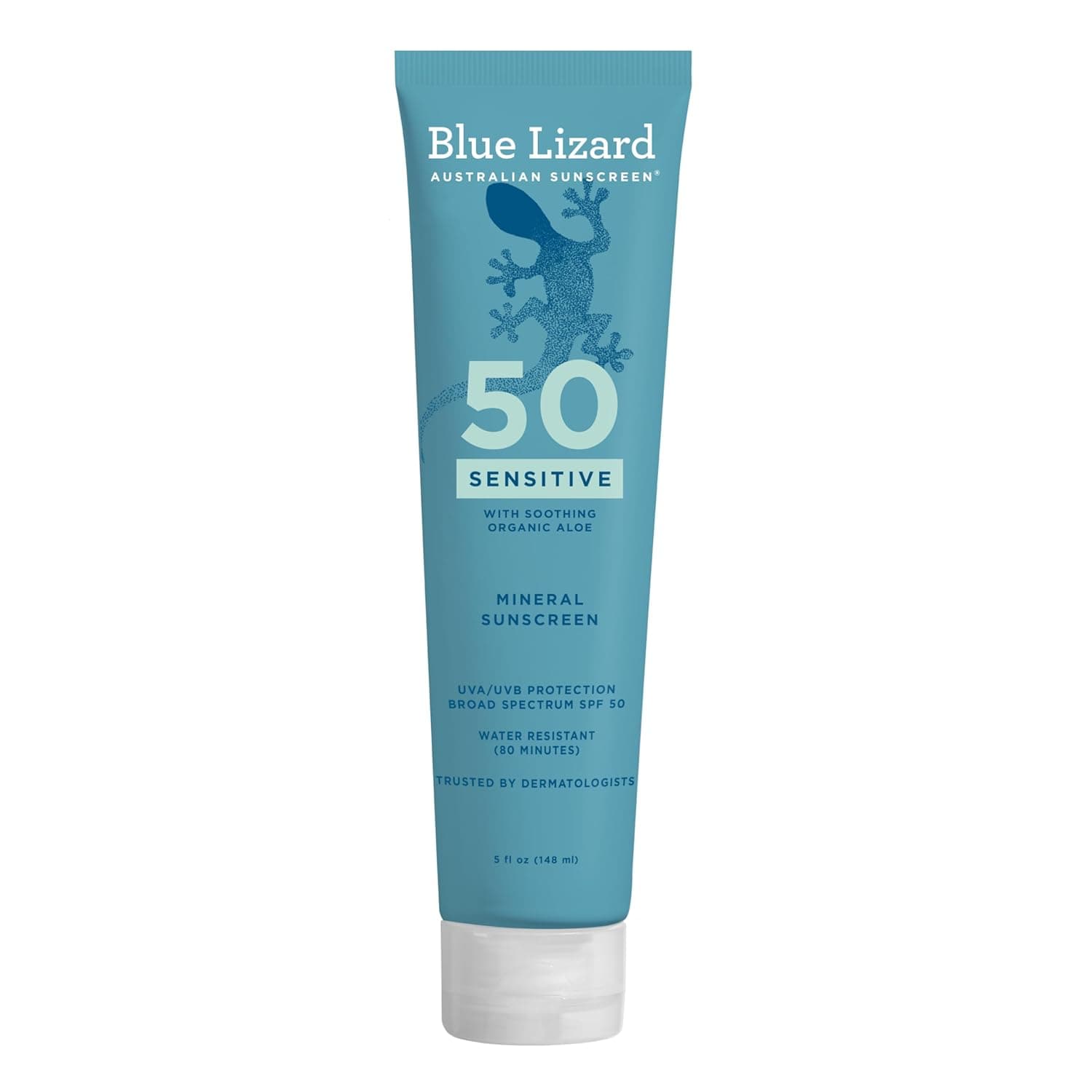
4.6 ★ · 14.4k reviews
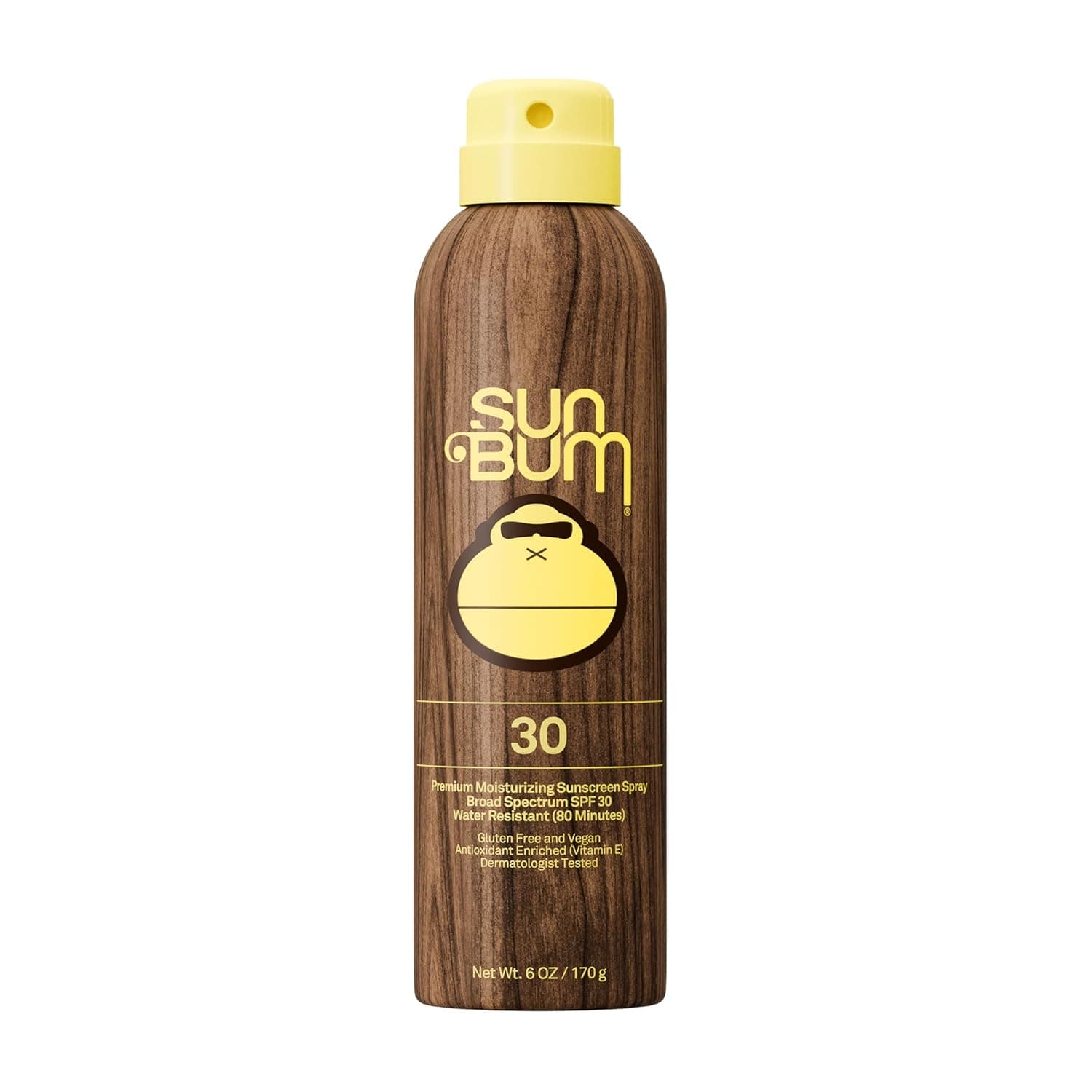
4.8 ★ · 11.1k reviews
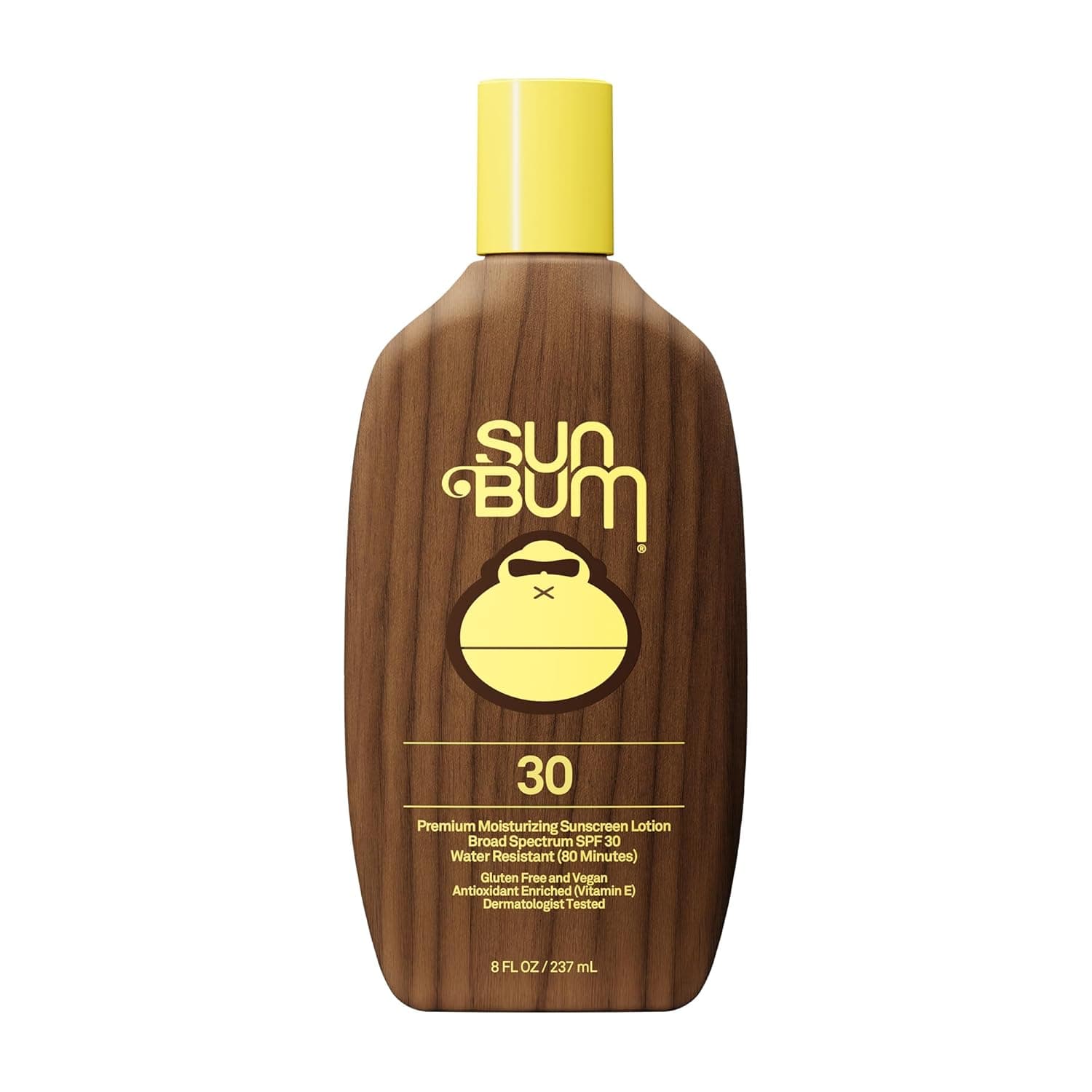
4.8 ★ · 11k reviews
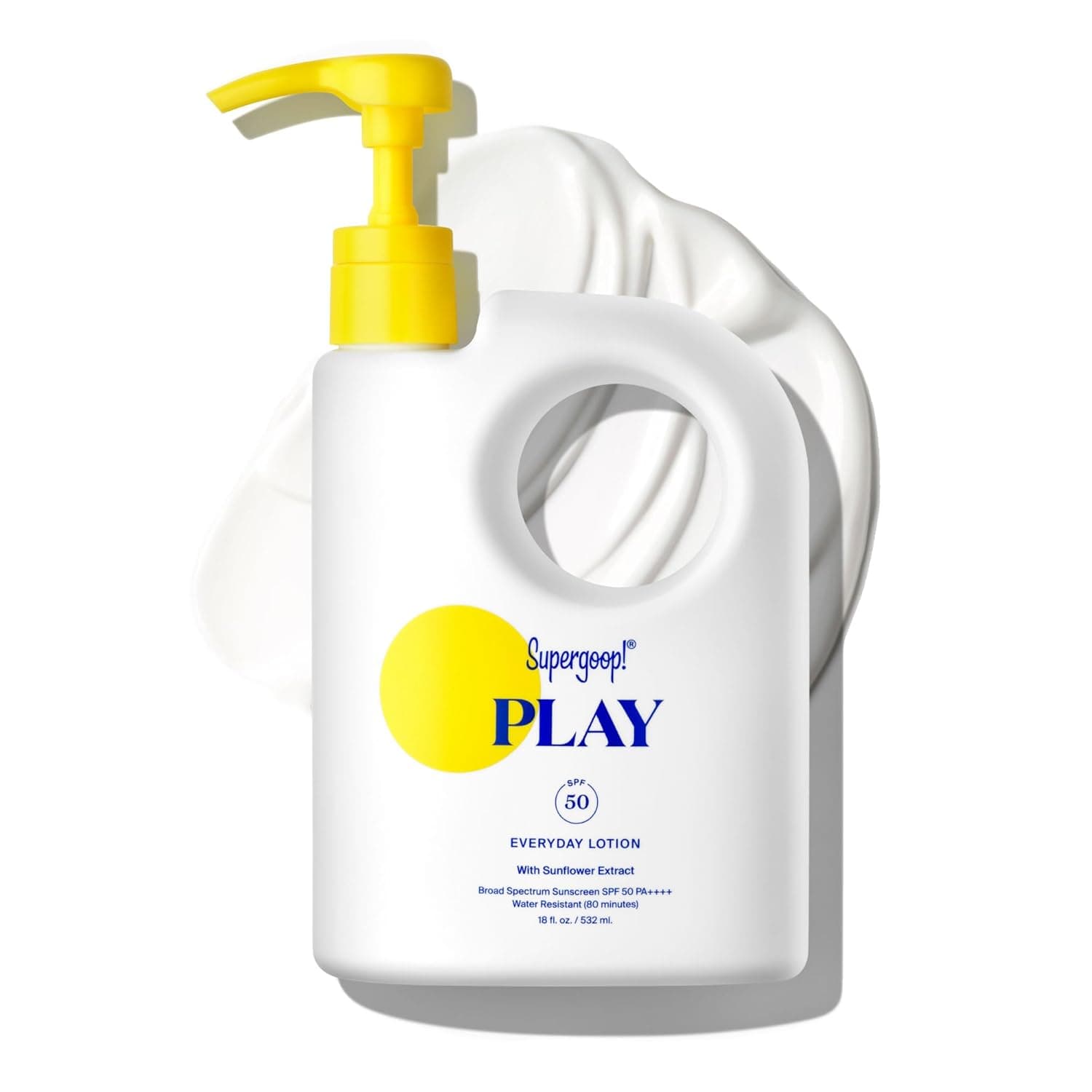
Supergoop!
4.6 ★ · 10.5k reviews
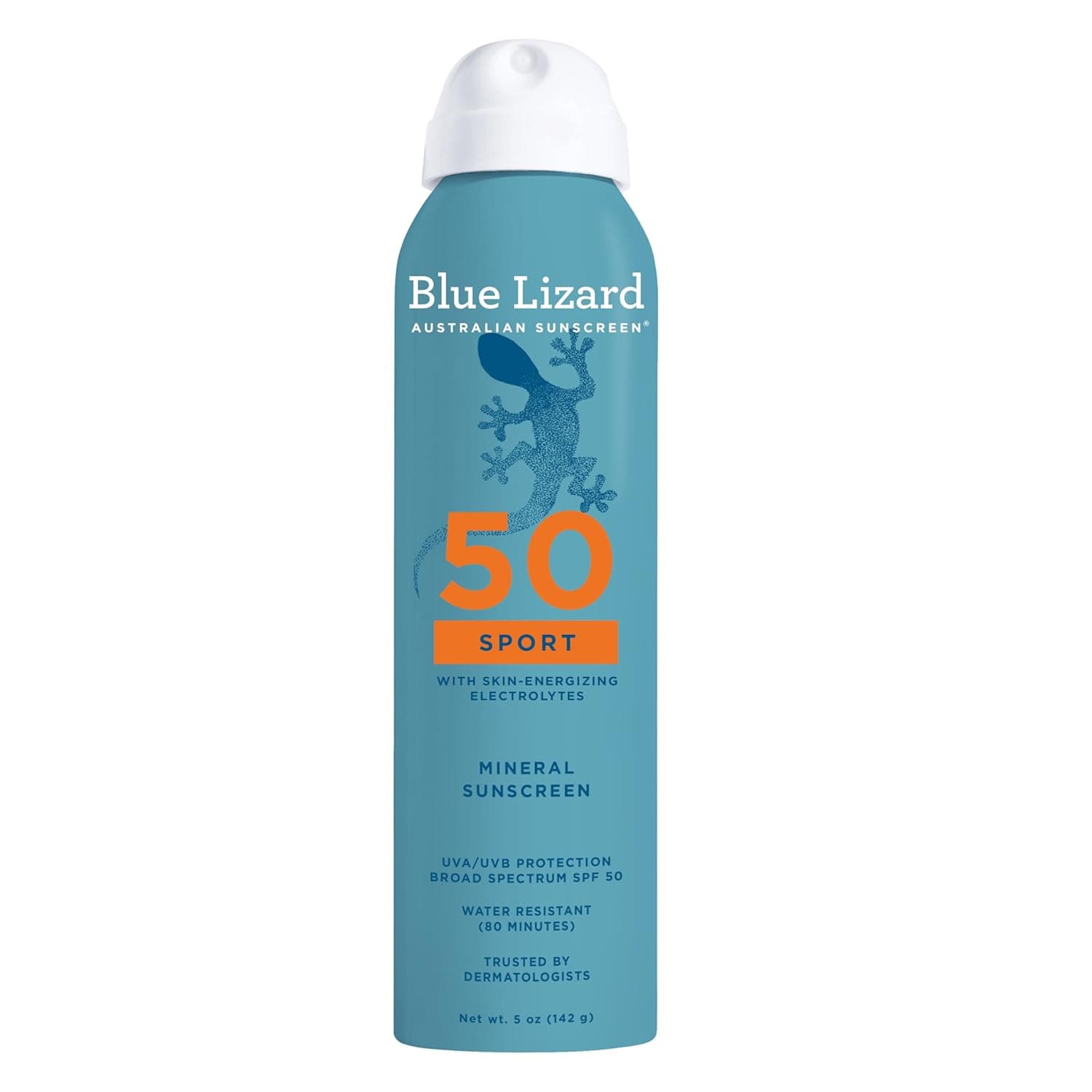
4.0 ★ · 9.4k reviews
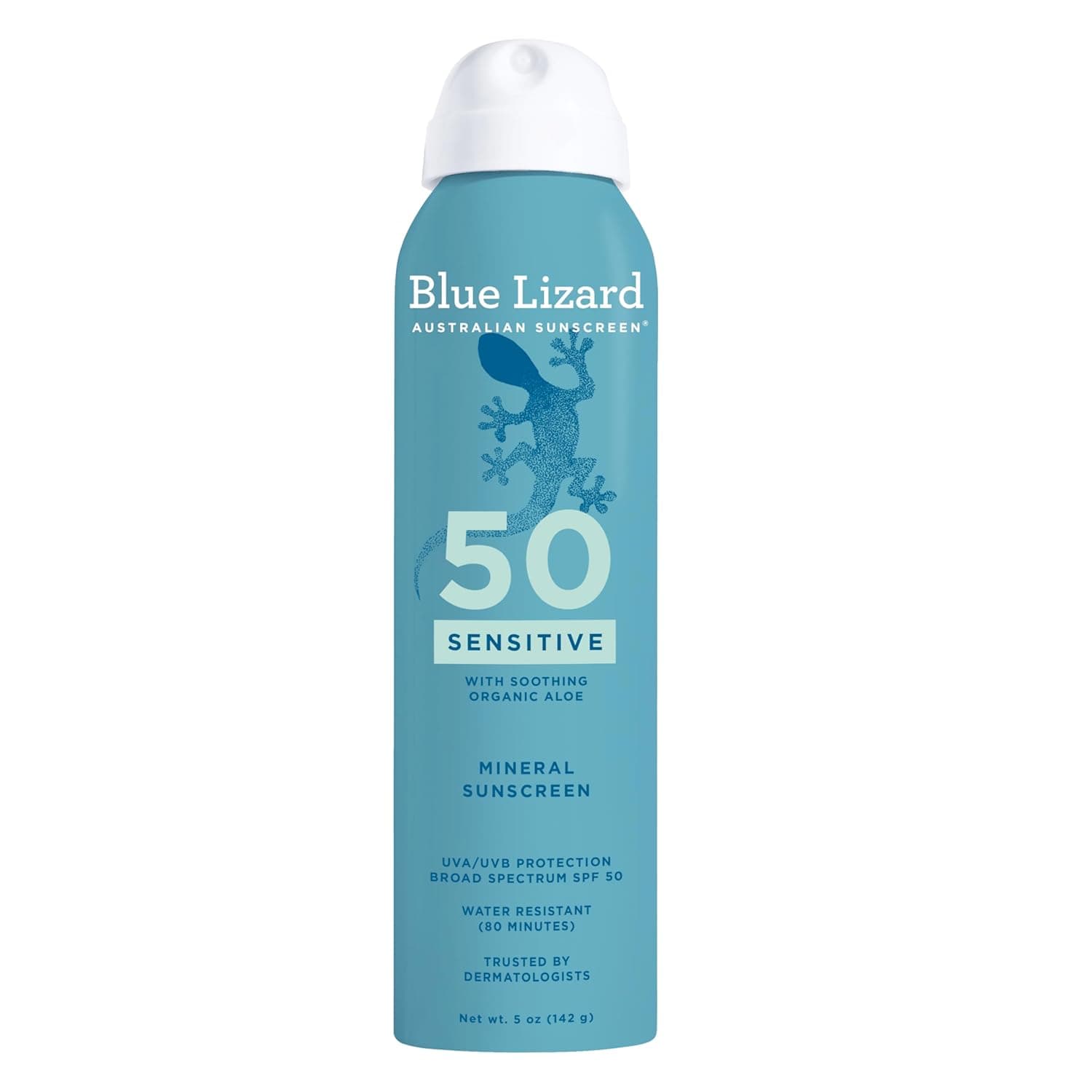
BLUE LIZARD
4.0 ★ · 9.4k reviews
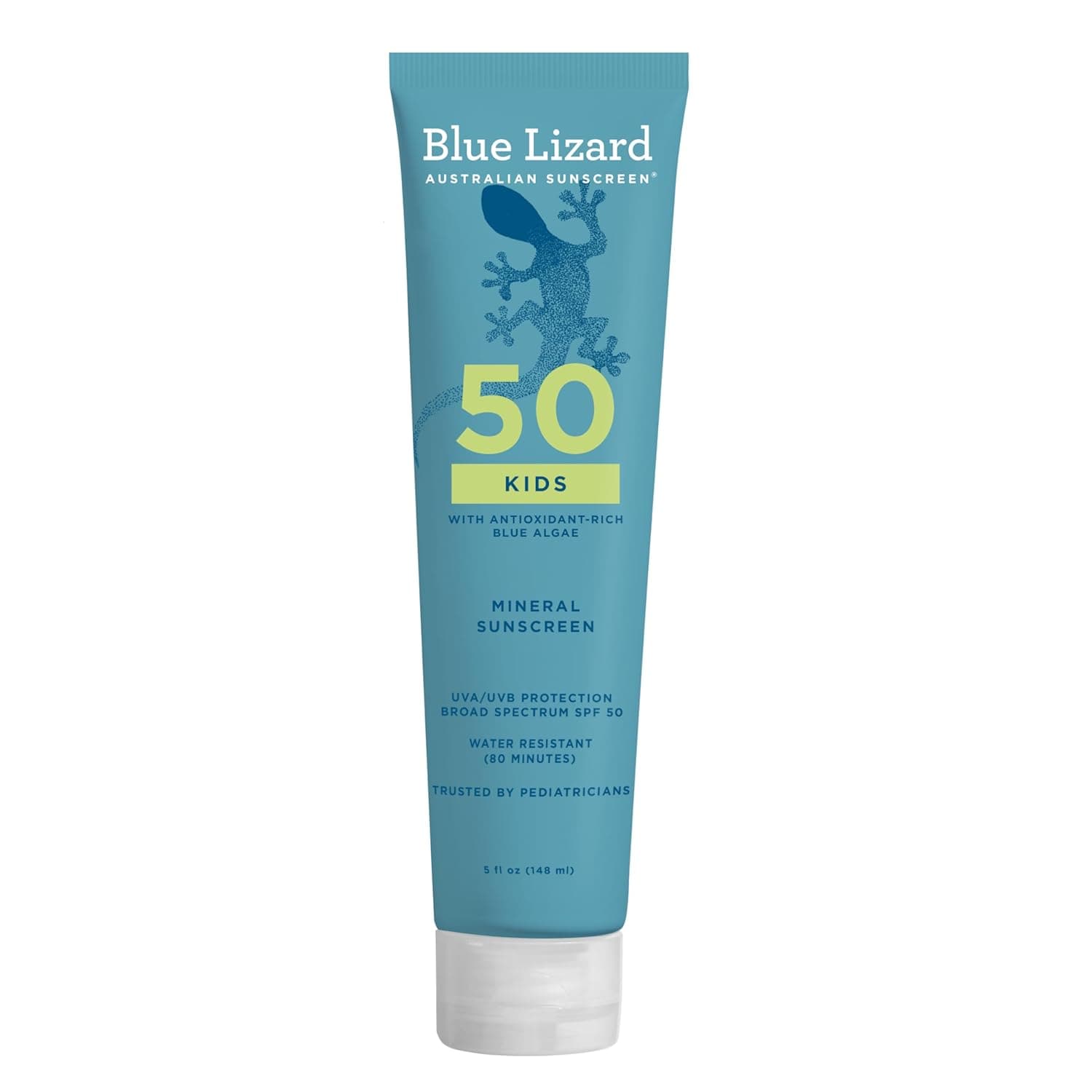
4.7 ★ · 8.3k reviews
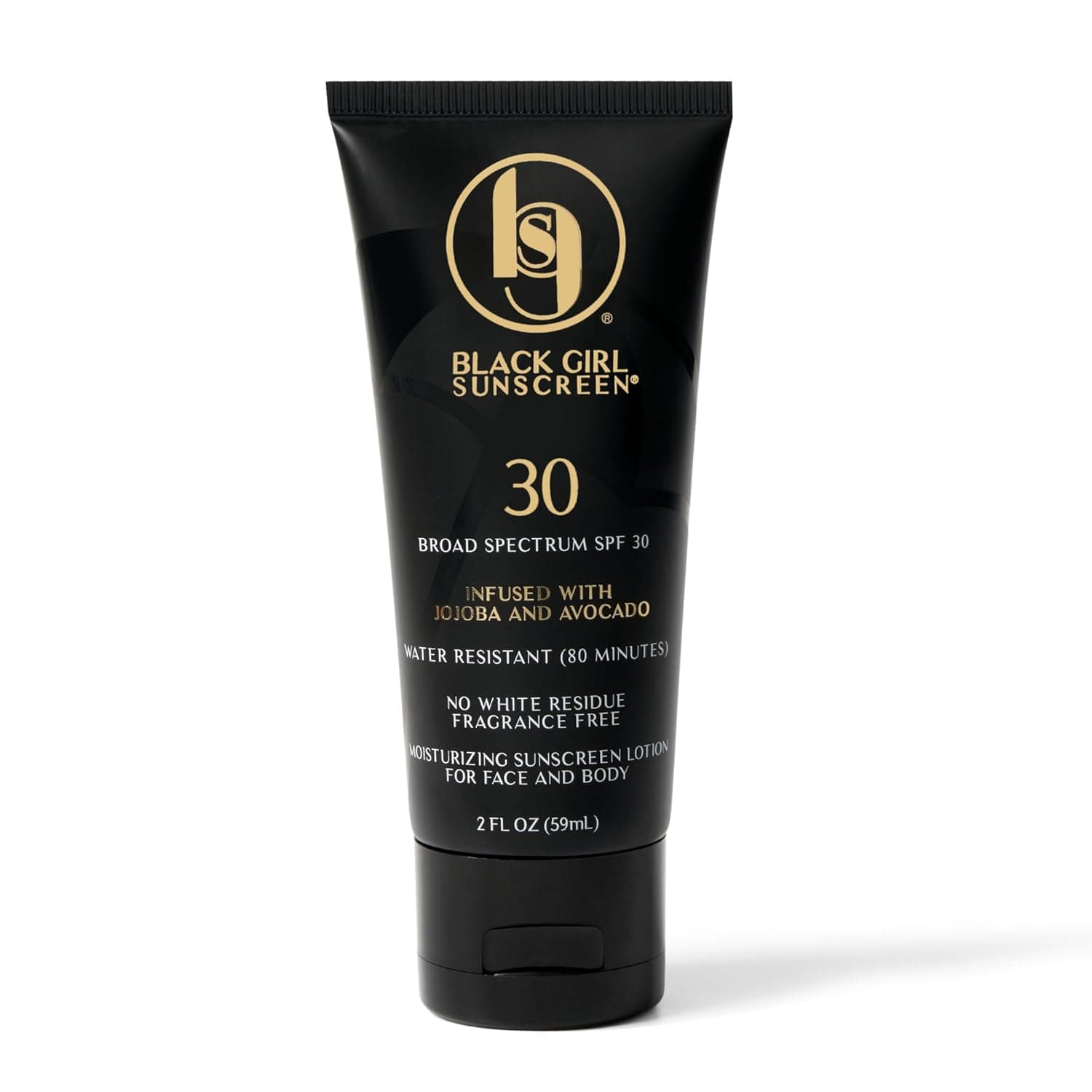
BLACK GIRL SUNSCREEN
4.7 ★ · 8.1k reviews
Sunscreens with no animal-derived ingredients. The non-vegan ingredients that hide in sunscreen — beeswax, carmine, lanolin — and how vegan differs from cruelty-free.
Sunscreens from founder-owned, independent brands rather than private-equity-held ones — and what tends to change to a formula after an acquisition.